

The whistle blew. The stadium erupted. Millions tuned in across five continents. Yet beneath the jubilation of the 2026 World Cup’s opening matches, a storm of logistical, financial, and environmental questions looms larger than any penalty shootout. This isn’t just another tournament. It’s a global spectacle under siege—where the cost of hosting is measured not just in stadiums but in sweat, dollars, and carbon footprints.

Beyond the Pitch: The Hidden Price Tag of the Beautiful Game
Hosting the World Cup has always been a high-stakes gamble. But the 2026 edition, spread across three nations—Canada, Mexico, and the United States—has rewritten the rulebook on financial risk. The projected budget? A staggering $22 billion. That’s more than the GDP of some African nations. Where does it all go? Stadiums that gleam like sci-fi visions, transport networks that swallow billions, and security apparatuses that rival small armies. Yet for every gleaming new venue, critics point to half-built projects left to rust in the sun, or stadiums that now stand as white elephants in cities where football culture barely exists.
Take the U.S., where $5 billion alone is earmarked for infrastructure in Los Angeles, where the iconic Rose Bowl is being retrofitted for a tournament it wasn’t designed to host. In Mexico, the Estadio Akron in Guadalajara—already a World Cup veteran—has undergone a $100 million facelift, raising eyebrows in a country where public healthcare and education budgets are perpetually stretched. Canada’s contribution? A cool $3.5 billion for just two venues: Toronto’s BMO Field and Vancouver’s BC Place. The message is clear: football’s glamour comes at a price, and someone always pays it.
Climate Crisis Meets Cup Mania: Can Football Survive the Heat?
The thermometer doesn’t care about penalty shootouts. As summer temperatures in host cities like Dallas, Monterrey, and Atlanta flirt with 40°C (104°F), players and fans alike are asking the same question: Is this the World Cup that breaks records—or bodies? FIFA’s response? A mix of artificial turf, cooling breaks, and late-evening kickoffs. But scientists warn that these measures are stopgaps in a warming world. The tournament’s carbon footprint—estimated at 3.6 million tons—is another stain on football’s green credentials. Critics argue that flying teams, officials, and supporters across continents for a month-long event is a climate crime in cleats.

Then there’s the human cost. Heat exhaustion isn’t just a sideline issue; it’s a performance killer. In 2022, Qatar’s World Cup saw players collapse on the pitch. In 2026, the stakes are higher. Medical teams are on standby, but the real question lingers: How many fans will trade comfort for the chance to witness history? The answer may redefine what it means to be a football pilgrim in an era of climate collapse.

Travel Restrictions and the New Geopolitics of Football
Football has always been a unifier. But in 2026, it’s also a flashpoint. Tightened visa rules in the U.S. and Canada—amid debates over migration and security—are turning what should be a borderless celebration into a bureaucratic obstacle course. Fans from Africa, Asia, and Latin America face hurdles that European supporters don’t. The irony? The World Cup was meant to bring the world together. Instead, it’s highlighting the fractures in global mobility.
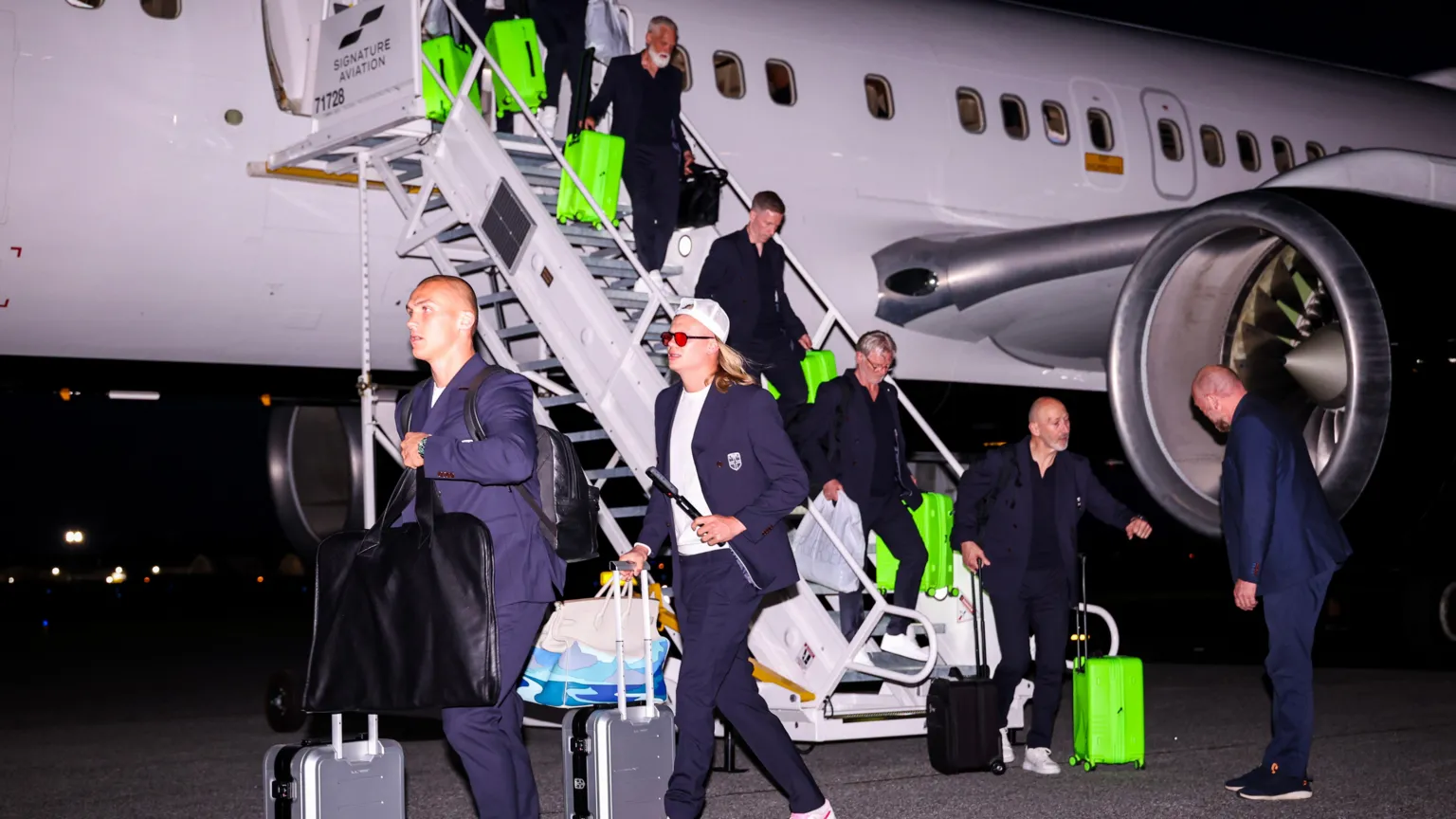
Consider the Iranian team’s journey. Their arrival in North America was met with protests, delays, and heightened scrutiny. For African fans, the path to the stands is no smoother. Flights from Lagos to Toronto now require extra stops, extra fees, and extra patience. The message is blunt: The World Cup isn’t for everyone. Not equally, at least.
Even the tournament’s format—a 48-team extravaganza—hasn’t escaped criticism. More matches mean more travel, more emissions, and more strain on host cities. FIFA insists it’s about inclusivity. Detractors call it a money grab. Either way, the travel chaos is real.
The Environmental Red Card: Can Football Clean Up Its Act?
Football’s environmental record is abysmal. From deforestation for stadiums to single-use plastics in fan zones, the sport has long been a laggard in sustainability. The 2026 World Cup promised change. Solar panels on stadium roofs. Recycled materials in jerseys. Carbon offset programs. But activists argue these are fig leaves on a carbon-guzzling beast. The tournament’s reliance on air travel alone—teams hopping between continents in private jets—undermines every green initiative.
Then there’s the issue of legacy. Will the stadiums be repurposed, or left to decay like the venues of South Africa 2010? Will the transport networks survive beyond the final whistle? Or will host cities inherit another white elephant? The answers will determine whether 2026 is remembered as a turning point—or just another footnote in football’s environmental failure.

Lessons from the Past: What 2026 Can Learn from History
The World Cup has a habit of leaving scars. Brazil 2014 saw stadiums built on indigenous land. Russia 2018 was marred by doping scandals and human rights abuses. Qatar 2022 exposed the brutal reality of migrant labor. Each edition leaves behind a trail of unkept promises and unresolved controversies. So what’s different this time?

For starters, the scrutiny is global. Social media ensures that every misstep—whether a delayed flight, a stadium delay, or a fan denied entry—is broadcast in real time. FIFA can’t hide behind press releases anymore. The pressure is on to deliver a tournament that’s not just entertaining, but responsible. Yet the early signs are mixed. While some venues boast cutting-edge sustainability features, others are bogged down by delays and cost overruns. The real test will come when the first whistle blows—and the world watches.
One thing is certain: The 2026 World Cup won’t just be remembered for the goals. It will be judged by the choices made off the pitch—choices that will ripple through politics, economics, and the environment for years to come.

Africa’s Stake in the Game: What Does This Mean for the Continent?
For African football, the World Cup is more than a tournament. It’s a stage to showcase talent, a chance to inspire generations, and a reminder of the continent’s complex relationship with global football governance. Yet as the 2026 spectacle unfolds, African fans and players are watching closely—not just for the drama on the field, but for the lessons it offers. Can football reconcile its global ambitions with its environmental and social responsibilities? Can it ensure that the World Cup remains a force for unity, not division?
The answers matter deeply in Africa, where football is a lifeline. From the bustling pitches of Lagos to the dusty fields of rural Ethiopia, the sport is woven into the fabric of society. The 2026 World Cup’s failures and successes will echo far beyond the stadiums. They will shape how Africa—and the world—views football’s future. Will it be a game of progress, or a cautionary tale? The whistle has blown. The world is watching.
Copyright notice: Images and source material are credited to their respective owners/source (original source where available). If you are the copyright owner and want an image or content removed, please contact us at topix.news/contact-us; we will review and remove it promptly.

Topix News Desk is a digital editorial team focused on delivering clear, timely, and useful news coverage for readers worldwide. Our reporting highlights African news with global context, including politics, business, economy, technology, health, sports, entertainment, travel, and culture. We aim to publish accessible, well-structured, and informative articles that help readers understand the stories shaping Africa and the world.