


The Africa Centres for Disease Control and Prevention (Africa CDC) and the Government of Algeria have taken a monumental step toward transforming Africa’s healthcare landscape by formalizing a strategic, multi-faceted partnership aimed at accelerating Health Technology Assessment (HTA) and fostering local pharmaceutical and vaccine production. The collaboration, announced during high-level discussions in Algiers, marks a pivotal moment in Africa’s journey toward self-reliance in health innovation, evidence-based policymaking, and sustainable public health resilience.
A New Era of Evidence-Based Healthcare Decision-Making
At the heart of the partnership lies a bold initiative to develop an African-centric curriculum on Health Technology Assessment (HTA). This first-of-its-kind educational framework will be designed to equip African health professionals, policymakers, and researchers with the critical skills needed to evaluate, adopt, and scale health technologies—from vaccines and diagnostics to digital health tools—based on rigorous scientific evidence.
Dr. Jean Kaseya, Director General of the Africa CDC, emphasized the urgent need for standardized HTA processes across the continent, stating:
“The ability to assess health technologies systematically ensures that African nations make informed decisions that align with local health priorities, reduce costs, and maximize public health impact. This curriculum will be a cornerstone in building a continent-wide knowledge base that empowers Africa to lead in health innovation.”
The discussions also highlighted Algeria’s ambition to emerge as a continental hub for HTA expertise, leveraging its advanced healthcare infrastructure, research institutions, and regulatory frameworks to support neighboring countries. By positioning itself as a regional center of excellence, Algeria aims to streamline technology evaluation processes, standardize best practices, and facilitate cross-border collaboration in health decision-making.
Expanding Local Manufacturing and Strengthening Africa’s Pharmaceutical Sovereignty
Beyond HTA, the partnership underscores a comprehensive strategy to bolster Africa’s pharmaceutical and vaccine production capabilities. Key focus areas include:
- Accelerating Local Vaccine and Drug Manufacturing
- Algeria, with its well-established pharmaceutical industry, will collaborate with Africa CDC to identify high-potential manufacturing sites across the continent.
- The goal is to reduce dependency on external suppliers by fostering indigenous production of essential vaccines, antibiotics, and life-saving drugs.
-
A snapshot of Algeria’s advanced pharmaceutical facilities, which will serve as a model for African nations seeking to enhance local production.
-
Strengthening Pooled Procurement Mechanisms
- To ensure cost-effective and equitable access to medicines and medical supplies, the partnership will explore pan-African procurement models that aggregate demand from multiple countries.
-
This approach will leverage economies of scale, negotiate better pricing, and mitigate supply chain disruptions—a critical lesson learned from the COVID-19 pandemic.
-
Harmonizing Regulatory Systems
- A unified regulatory framework for health technologies will be developed to streamline approval processes and enhance product safety standards across Africa.
-
Algeria’s experienced regulatory body will play a key role in mentoring African nations in implementing consistent, science-based regulations that balance innovation with public health protection.
-
Advancing Genomics and Digital Health
- The collaboration will integrate genomic research to personalize healthcare, predict disease outbreaks, and develop targeted medical interventions.
 A visual representation of Africa’s genomic data infrastructure, which will be strengthened through this partnership.
-
Digital health initiatives, including telemedicine, AI-driven diagnostics, and health information systems, will receive strategic support to improve accessibility and efficiency in rural and underserved areas.
-
Fostering Health Research and Innovation
- A joint research agenda will be established to address Africa’s most pressing health challenges, such as malaria, HIV/AIDS, non-communicable diseases (NCDs), and antimicrobial resistance (AMR).
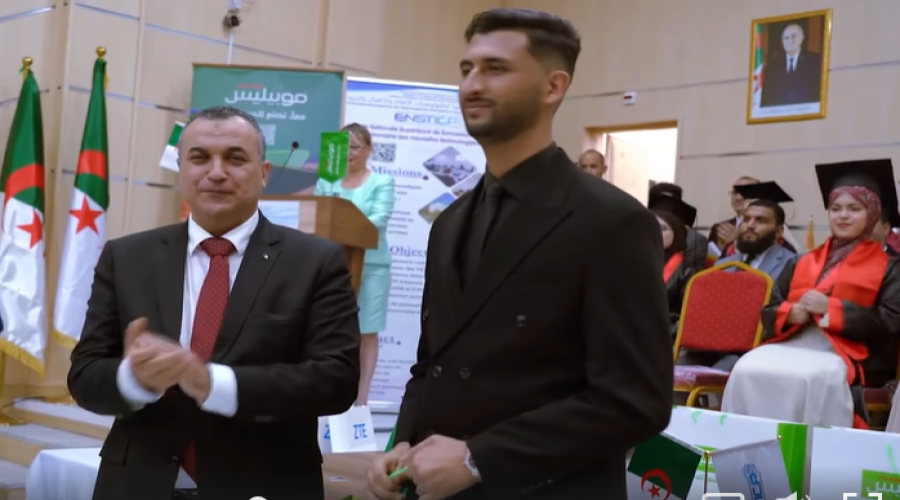 Scientists collaborating on a health research project, symbolizing the partnership’s commitment to evidence-driven solutions.
A Vision for African-Led Health Systems
The Africa CDC-Algeria partnership is not merely a bilateral agreement—it is a strategic pillar in the African Union’s broader vision for self-sustaining health systems. Key outcomes include:
- Empowering Local Capacity: By investing in training programs, research institutions, and manufacturing facilities, the partnership aims to reduce brain drain and retain African talent within the continent.
- Enhancing Health Security: A resilient health infrastructure will enable Africa to respond swiftly to future pandemics, epidemics, and health emergencies without relying solely on external aid.
- Promoting Economic Growth: Strengthening the pharmaceutical and biotech sectors will create jobs, stimulate innovation, and contribute to Africa’s economic diversification.
Prof. Mohamed Seddik Ait Messaoudene, Algeria’s Minister of Health, reaffirmed his country’s commitment:
“Algeria stands ready to share its expertise and resources to help Africa achieve health sovereignty. Together, we can transform our continent into a global leader in health innovation, where technologies are developed, assessed, and manufactured with African needs at the forefront.”
A Continental Blueprint for the Future
The Africa CDC-Algeria partnership represents a paradigm shift in how Africa approaches health technology, manufacturing, and public health governance. By prioritizing local solutions, evidence-based policies, and collaborative innovation, the alliance sets a precedent for sustainable development in Africa’s healthcare sector.
As the continent continues to navigate complex health challenges, this strategic alliance serves as a beacon of hope, demonstrating that African nations can—and must—take control of their health destinies. With Algeria’s leadership, Africa CDC’s expertise, and the collective will of the continent, the future of African health is not just promising—it is being built today.

Healthcare professionals discussing strategies for local vaccine production, a critical component of the partnership’s goals.

A visual of Africa’s interconnected health systems, symbolizing the continent’s move toward unified health governance.

Digital health tools being integrated into rural clinics, part of the partnership’s digital health expansion efforts.

Scientists analyzing genomic data to combat diseases, reflecting the partnership’s focus on precision medicine.

A pharmaceutical factory in Algeria, representing the continent’s growing manufacturing capabilities.
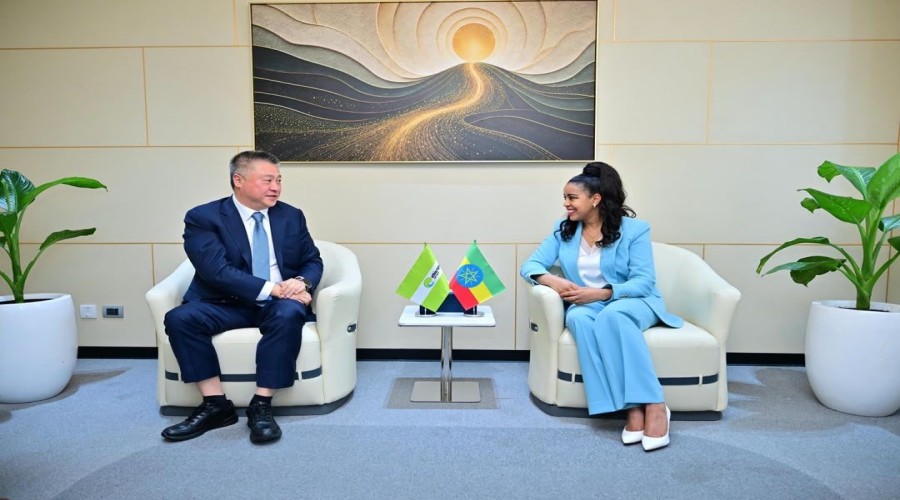
African leaders and health officials in discussion, emphasizing the political will behind this transformative partnership.

A map of Africa highlighting key health technology hubs, illustrating the continent’s growing self-sufficiency in health solutions.
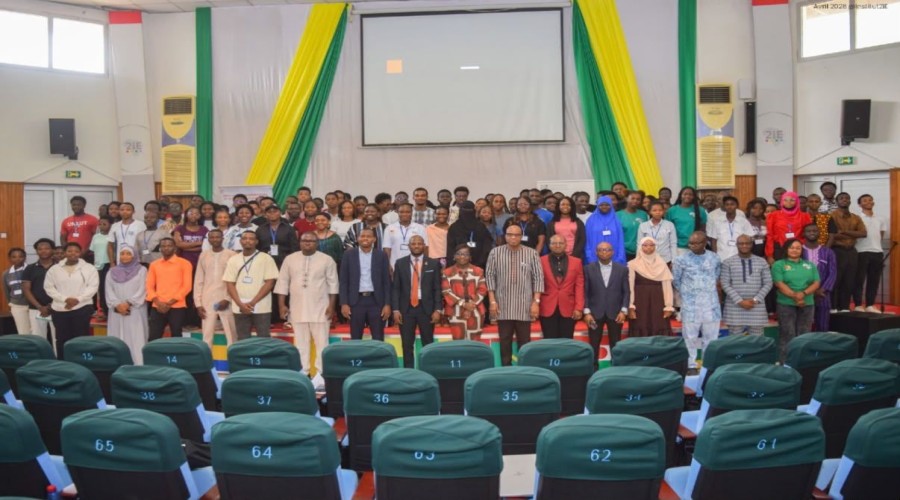
Medical professionals administering vaccines, underscoring the partnership’s commitment to equitable healthcare access.
