
A Crisis of Impunity: Elite Israelis Demand Action Against Systematic Violence in Occupied Territories
A highly confidential letter, signed by Israel’s most influential former political leaders, military commanders, and cultural icons, has been leaked, revealing an unprecedented collective warning to the current government over the normalization of “Jewish terrorism” in the occupied West Bank. The signatories—including two former prime ministers, former heads of all Israeli security agencies, Nobel laureates, and Israel’s most celebrated novelist—have vowed to pursue legal action against the state if immediate measures are not taken to dismantle a campaign of violence that has flourished with near-total impunity.
The letter, addressed to Prime Minister Benjamin Netanyahu, his defense and security ministers, and senior military leadership, frames the situation as a national security crisis with domestic, legal, and international repercussions. The signatories argue that the Israeli government’s failure to condemn or curb attacks—ranging from murder and sexual assault to arson and desecration of Palestinian bodies—constitutes complicity in ethnic cleansing and violates international law.
A Final Warning: Legal Action Looms Over Decades of Unchecked Violence
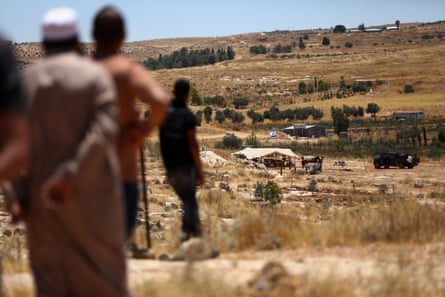
The letter, drafted by lawyer Shmuel Berkowitz, serves as a “final warning” before the signatories escalate their efforts by petitioning Israel’s Supreme Court to force accountability. The document catalogs years of systematic violence against Palestinians in the West Bank, a region Israel refers to as Judea and Samaria, where settlers and military personnel have engaged in coordinated attacks with little to no consequences.
Key allegations include:
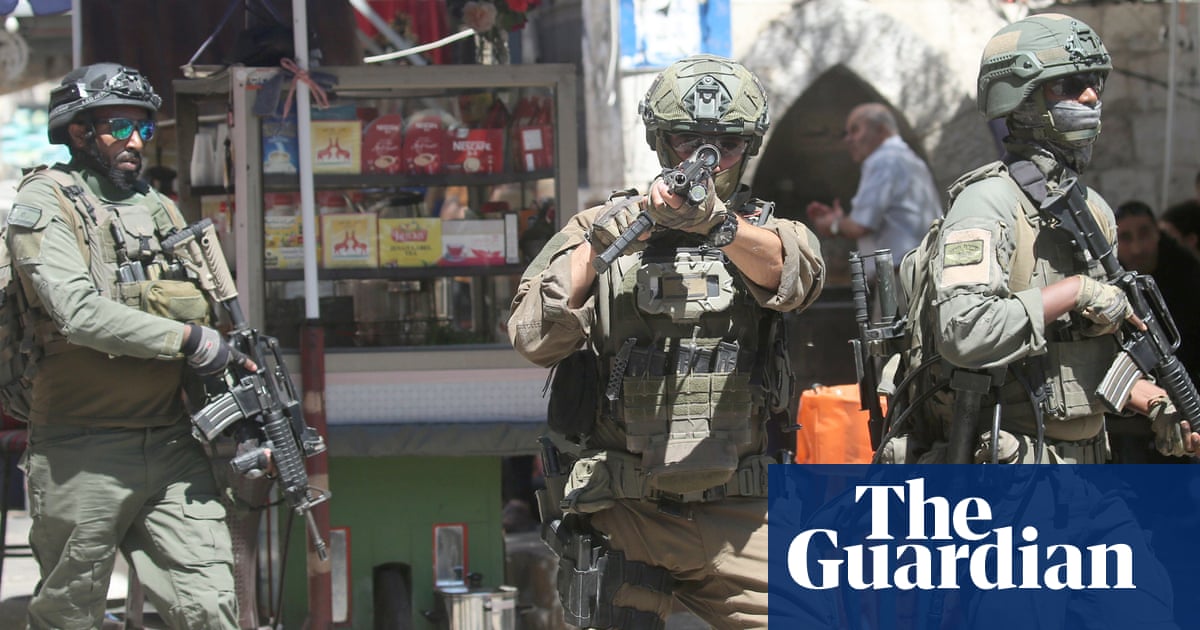
– Military and civilian perpetrators acting with near-total impunity, including settlers, regional defense unit members, and even off-duty soldiers armed with weapons sourced from the Israeli military.
– Active complicity by the Israel Defense Forces (IDF), which the letter accuses of ignoring crimes and, in some cases, participating in violence rather than preventing it.
– A deliberate policy enabling extremist elements to pursue an “ideology of ethnic cleansing” to facilitate future annexation efforts in the West Bank.
The letter draws chilling historical parallels, comparing the current wave of violence to 19th- and 20th-century pogroms against Jewish communities in Europe, suggesting that the cycle of state-sanctioned violence risks fueling global antisemitism while undermining Israel’s own security.
Who Are the Signatories? A Who’s Who of Israel’s Elite
The letter’s roster of signatories reads like a who’s who of Israel’s political, military, and intellectual establishment, including:
- Former Prime Ministers:
- Ehud Olmert (served 2006–2009)
-
Ehud Barak (served 1999–2001, 2006–2007)
-
Former Heads of Security Agencies:
- Three former chiefs of the IDF (including Gaby Ashkenazi)
- Two former heads of Mossad (Israel’s foreign intelligence agency)
- Former directors of Shin Bet (internal security service)
-
Former police commissioners
-
Legal and Judicial Figures:
- A former attorney general
- Senior judges and legal advisers to the government
-
Former ambassadors
-
Academic and Cultural Icons:
- David Grossman, Israel’s most renowned novelist
- Nobel Prize-winning chemist David Kornberg
- Oscar-winning filmmaker and 10-time Israel Prize laureates
The letter’s breadth—spanning politicians, generals, judges, and intellectuals—underscores the unprecedented gravity of the crisis, as even those who previously publicly condemned violence in the West Bank are now uniting under the threat of legal action.
The Scale of the Crisis: Over 1,100 Palestinian Civilians Killed Since 2020
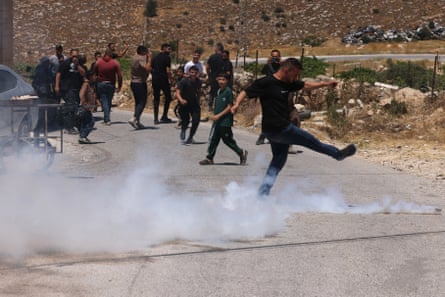
Since 2020 alone, Israeli soldiers and settlers have killed at least 1,100 Palestinian civilians in the West Bank, according to UN data. A quarter of these victims were children, yet no perpetrators have been prosecuted. The letter warns that this brutal pattern of violence is not merely a law enforcement failure but a deliberate policy designed to consolidate settler control over Palestinian lands.
The document highlights:
– A culture of impunity, where police and military jurisdictions overlap, allowing attackers to evade accountability.
– Financial and political support for extremist elements, including settler militias that operate with de facto state backing.
– A risk of escalation, as Palestinian frustration could lead to a full-scale intifada (uprising), threatening Israel’s long-term security.
Direct Accusations Against Netanyahu and His Cabinet
The letter names specific officials, including:
– Prime Minister Benjamin Netanyahu, accused of enabling extremist policies through his far-right coalition.
– National Security Minister Itamar Ben-Gvir, a hardline settler activist, whose rhetoric has been linked to incitement against Palestinians.
– Defense Minister Israel Katz, whose support for settlement expansion is seen as legitimizing violence.
– Chief of Staff Eyal Zamir, Shin Bet head David Zini, and Police Commissioner Daniel Levy, all of whom are directly responsible for security in the West Bank.
The letter rejects Netanyahu’s claim that settler violence is confined to “a few dozen teenagers”, arguing instead that it is a systemic phenomenon supported by government officials.
A Public Silence Amidst Election Campaigning
Despite the acute crisis, the letter’s release coincides with unofficial campaigning for Israel’s upcoming elections (scheduled by late October), where Netanyahu’s far-right coalition is expected to consolidate power. The signatories’ public silence on the issue contrasts sharply with their private urgency, suggesting that political expediency may be suppressing dissent within Israel’s elite.
The Road Ahead: Legal Battle or Political Fallout?
With the letter now leaked to international media, the next phase will likely involve:
1. A formal petition to Israel’s Supreme Court, demanding investigations and prosecutions of perpetrators.
2. International pressure, as the allegations risk damaging Israel’s global standing and strengthening anti-Israel narratives.
3. Potential political fallout, particularly if Netanyahu’s government is seen as unresponsive to the crisis.
The signatories’ unprecedented unity—cutting across political, military, and cultural divides—suggests that this is not merely a moral protest but a last-ditch effort to prevent a full-blown humanitarian and security catastrophe.
Conclusion: A Turning Point in Israel’s Internal Debate
The leaked letter marks a rare moment of consensus among Israel’s most powerful figures, signaling that the tolerance for settler violence and state complicity has reached a breaking point. Whether this collective warning will lead to meaningful change remains uncertain, but the legal threat now hanging over the government underscores the stakes of inaction.
As the West Bank continues to burn, the question for Israel’s leadership is no longer whether to act—but how swiftly before the cost of inaction becomes irreversible.