
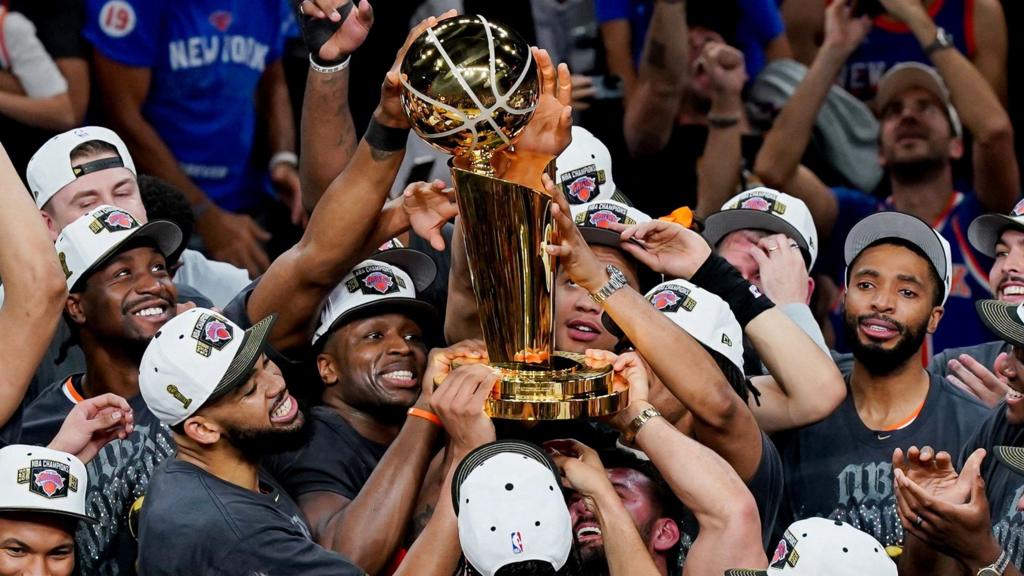
For the first time since the disco era, the lights of Madison Square Garden burned brighter than the neon signs of Times Square. The New York Knicks, a franchise steeped in nostalgia and near-misses, finally shed the weight of a 50-year championship drought on a sweltering June night in San Antonio. Behind a masterclass in defensive intensity and clutch shooting, the Knicks toppled the Spurs 94-90 in Game Five of the NBA Finals, sealing their first title since 1973. The victory wasn’t just a triumph for the players in blue and orange—it was a coronation for a city that had waited generations to see its team hoist the Larry O’Brien Trophy again.
The Night That Defined a Franchise
The final buzzer echoed through the Frost Bank Center like a church bell marking the end of an era. The Knicks, led by a relentless second-half surge, survived a late Spurs rally to claim the championship in front of a stunned Texas crowd. Their defense, which had stifled San Antonio’s vaunted offense all series, tightened at the most critical moments. Mitchell Robinson’s shot-blocking prowess and Jalen Brunson’s ice-cold shooting in the fourth quarter turned the tide. When the final seconds ticked away, the Knicks’ bench erupted—not just in celebration, but in relief. Half a century of frustration had been erased in a single game.
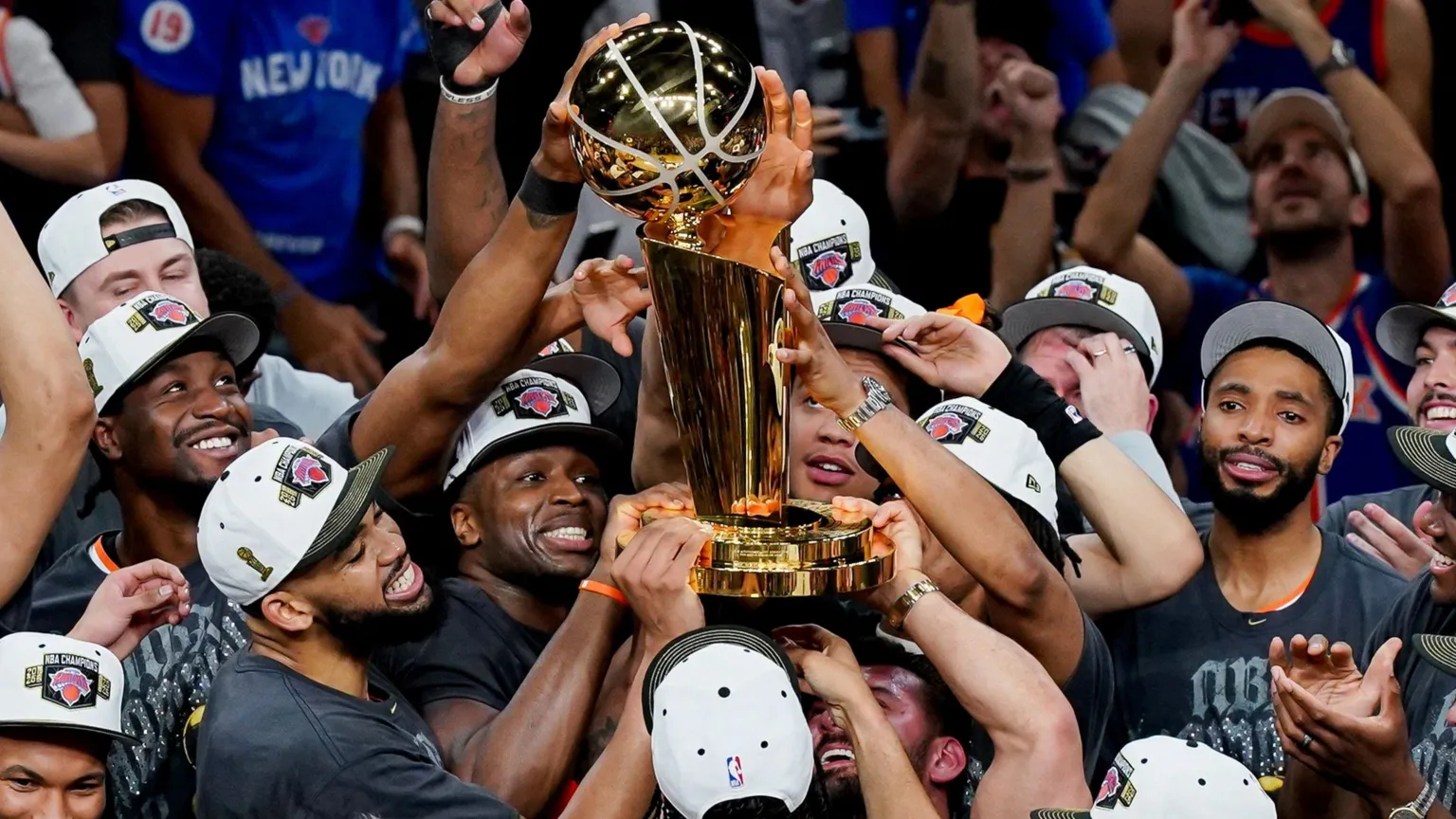
This wasn’t just a win; it was a redemption arc written in the final minutes of a best-of-seven battle. The Spurs, a team that had dominated the 2010s with five titles, pushed the Knicks to the brink in Game Five. But New York’s defense, anchored by a frontcourt that suffocated Victor Wembanyama in the paint, refused to yield. The Spurs’ vaunted three-point shooting deserted them when it mattered most, and the Knicks’ ability to grind out possessions in the clutch proved decisive. Brunson, the architect of this resurgence, finished with 28 points, his step-back three in the third quarter swinging the momentum permanently in the Knicks’ favor.
A Championship Built on Defensive Steel
Basketball purists will remember this series for its defensive chess match, not its offensive fireworks. The Knicks’ game plan was simple: make life miserable for the Spurs. And it worked. San Antonio, a team that thrived on spacing and three-point shooting, was held to 38% shooting from the field in the clinching game. Wembanyama, the 7-foot-4 French phenom, was hounded into turnovers and forced into tough mid-range shots. The Spurs’ stars—Devin Vassell and Jeremy Sochan—couldn’t find their rhythm, their shots clanking off the rim as frustration mounted.

Defensive intensity isn’t built overnight. It’s forged in the crucible of close games, in the gym at 6 AM, in the film room dissecting opponents’ tendencies. The Knicks’ championship run was a masterclass in defensive discipline. OG Anunoby’s lockdown perimeter defense stifled Vassell, while Brunson’s tenacity disrupted San Antonio’s half-court sets. Even in the final minutes, when the Spurs desperately tried to claw back, New York’s defense held firm. The message was clear: this team was built to win ugly. And on this night, ugly was beautiful.
New York’s Night of Unbridled Joy
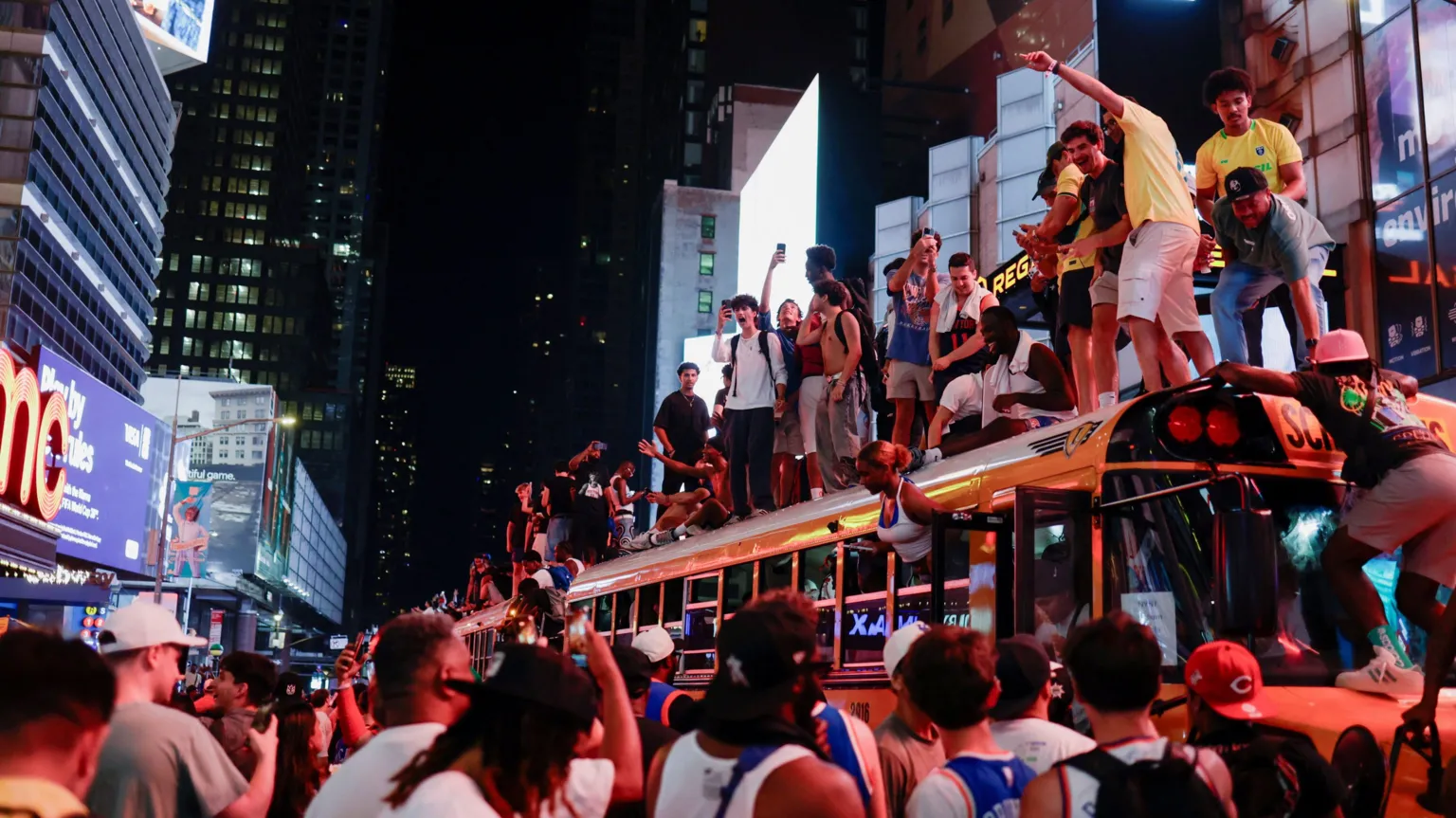
By the time the final horn sounded, the streets of New York had already erupted into pandemonium. Fans clad in blue and orange spilled onto the sidewalks of Times Square, their voices hoarse from cheering. A yellow school bus, commandeered by revelers, became an impromptu float, its passengers waving Knicks flags and chanting Brunson’s name. Strangers hugged, strangers cried, strangers shared stories of where they were when the Knicks last won it all—long before most of them were born.
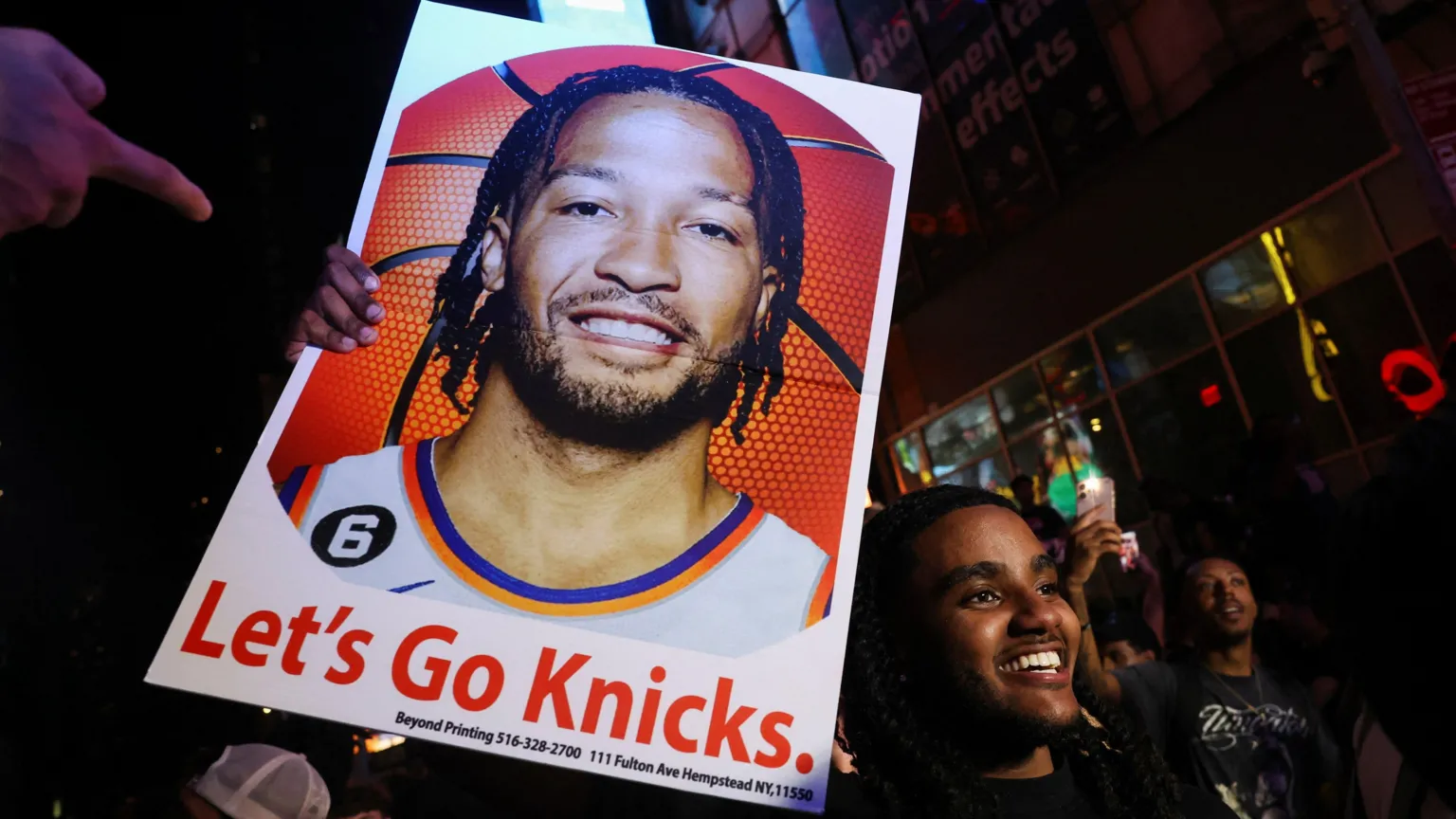
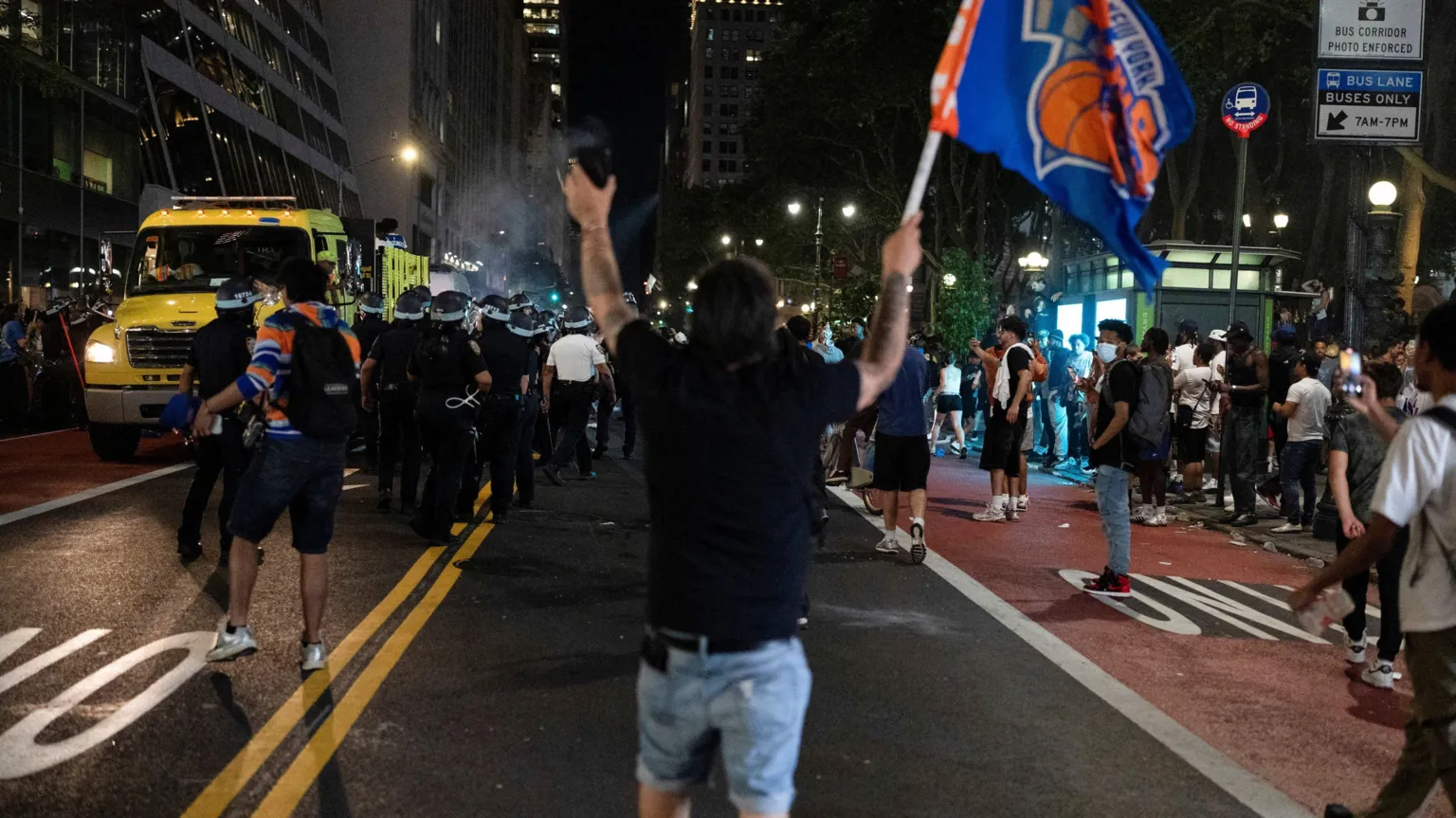
The celebration wasn’t confined to Manhattan. In Brooklyn, Queens, and the Bronx, fans gathered outside sports bars, their faces painted, their jerseys draped over shoulders. A man walked down a Brooklyn street, arms raised high, clutching a Knicks flag that fluttered in the summer breeze. In Harlem, a spontaneous block party broke out, music blaring from open windows as the city danced in the glow of its new champions. For one night, the divisions that often split New York melted away. The Knicks’ victory wasn’t just a sports triumph—it was a unifying moment for a city that thrives on resilience.
The Spurs’ Agony and the End of an Era
For the Spurs, the loss was a bitter pill to swallow. This was a team that had defined an era, a franchise that had set the gold standard for professionalism and excellence. Yet on this night, their stars didn’t align. Wembanyama, the generational talent who had carried them through the playoffs, was held to 12 points on 4-of-13 shooting. Vassell, their sharpshooter, couldn’t find his range, finishing with just 14 points. The Spurs’ vaunted system, built on ball movement and three-point shooting, was neutralized by New York’s physicality and discipline.
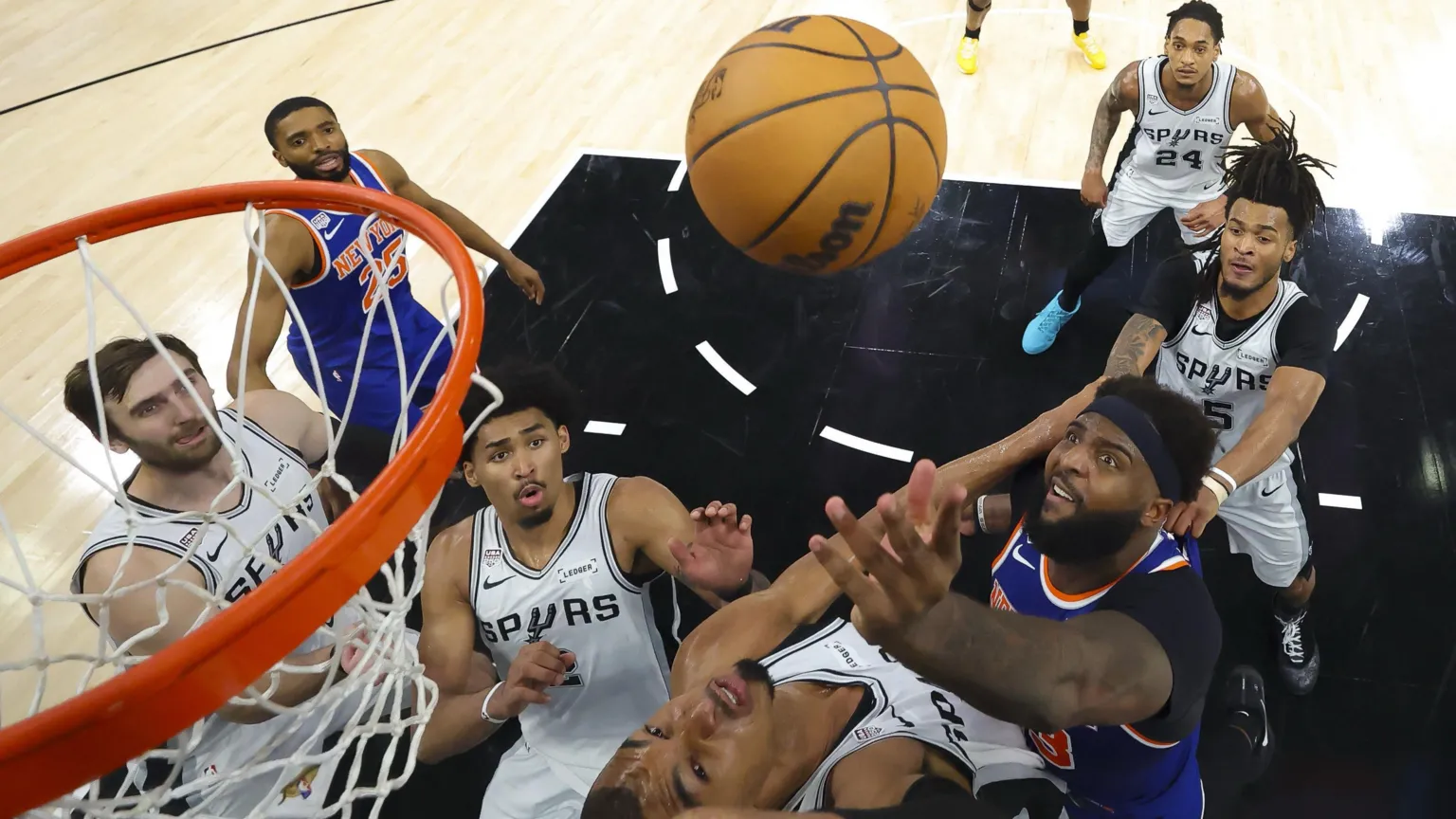
As the final seconds ticked away, the Spurs’ bench sat in stunned silence. Coach Gregg Popovich, the architect of five championships, stared straight ahead, his expression unreadable. This wasn’t just a loss—it was a passing of the torch. The Spurs’ dynasty, which had spanned decades, had been dethroned by a team that had spent years in the wilderness. For the first time in franchise history, the Spurs would not be raising the banner in San Antonio. The sting of defeat would linger, but so would the lessons learned: that even the greatest dynasties can be undone by the relentless pursuit of a hungry opponent.
What This Title Means for the Knicks—and Basketball
The Knicks’ championship isn’t just a victory for New York; it’s a statement for the entire NBA. In an era dominated by superteams and player empowerment, the Knicks proved that team-first basketball still has a place. Their roster wasn’t stacked with All-NBA talents—no LeBron James, no Kevin Durant, no Nikola Jokić. Instead, they relied on a culture of defense, a commitment to fundamentals, and a locker room that bought into a shared vision. Brunson, Robinson, and Anunoby became the faces of a franchise that had spent years rebuilding from the ground up.
For the NBA, this title is a reminder that parity is possible. The league’s hierarchy isn’t set in stone. A team with a clear identity, a strong culture, and a refusal to back down can rise to the top. The Knicks’ path to the championship wasn’t paved with superstars—it was paved with grit, with heart, and with an unshakable belief that they belonged among the league’s elite. Their victory sends a message to every franchise: that in basketball, as in life, persistence pays off.
Lessons for African Basketball and Beyond
While the Knicks’ triumph is an American story, its lessons resonate globally. In Africa, where basketball is growing rapidly, the Knicks’ championship serves as a blueprint for development. The franchise’s emphasis on defense, teamwork, and culture mirrors the values that have driven Africa’s rise in the sport. From the streets of Lagos to the courts of Johannesburg, young players are dreaming of lifting trophies just like the Knicks did. The team’s success proves that with the right foundation, even the most storied franchises can be challenged—and that’s a message that transcends borders.
For African basketball federations, the Knicks’ title is a reminder that infrastructure and investment matter. The Spurs’ loss wasn’t just about talent—it was about execution, about making the extra pass, about playing with a purpose. African teams, whether in the AfroBasket tournament or on the global stage, can learn from New York’s blueprint. Defense wins championships. Culture wins championships. And most importantly, belief wins championships.
A New Chapter for the Knicks—and for Fans Worldwide
The final seconds of Game Five weren’t just the end of a series—they were the beginning of a new chapter for the Knicks. For the first time in 50 years, the franchise could look forward to a future unburdened by the weight of its past. The banner would be raised in Madison Square Garden. The confetti would fall. And the city that never sleeps would finally rest easy, knowing its team had delivered.
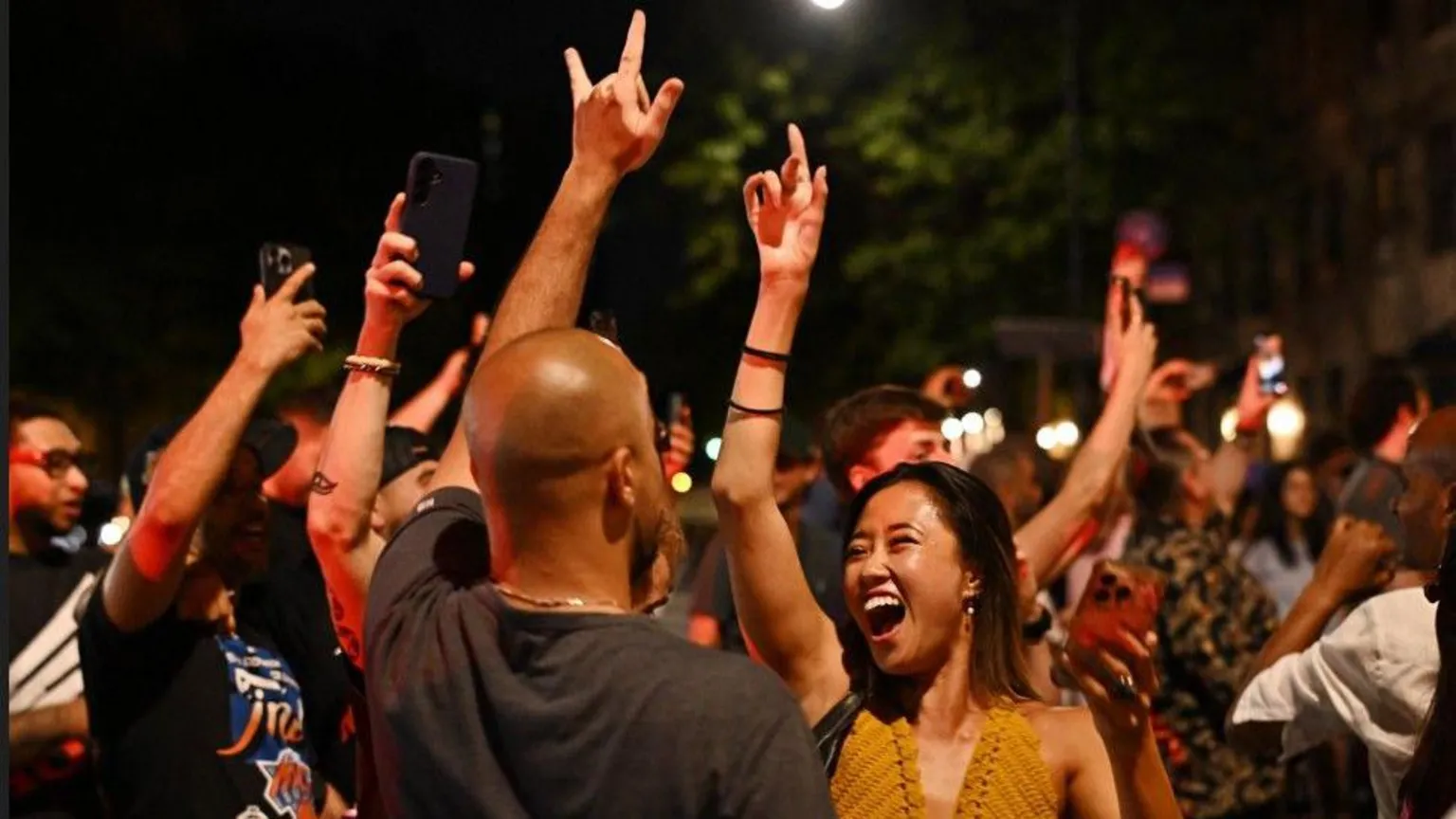
For fans in Africa and beyond, the Knicks’ victory is a reminder that sports can transcend borders. It’s a story of perseverance, of teamwork, of a city united by a shared dream. And as the confetti settled in San Antonio, the echoes of celebration rippled across the globe—from the bustling markets of Nairobi to the sandy beaches of Cape Town, where fans raised their voices in solidarity with New York’s triumph. In a world often divided by politics and conflict, basketball remains a universal language. And on this night, it spoke volumes.
Copyright notice: Images and source material are credited to their respective owners/source (original source where available). If you are the copyright owner and want an image or content removed, please contact us at topix.news/contact-us; we will review and remove it promptly.

Topix News Desk is a digital editorial team focused on delivering clear, timely, and useful news coverage for readers worldwide. Our reporting highlights African news with global context, including politics, business, economy, technology, health, sports, entertainment, travel, and culture. We aim to publish accessible, well-structured, and informative articles that help readers understand the stories shaping Africa and the world.