
The World Cup’s grand stage has always been a theater of the unexpected, where underdogs rise and giants stumble. But when the Netherlands and Japan step onto the pitch for their opening clash of the 2026 tournament, the stakes feel heavier than ever. This isn’t just another group-stage fixture; it’s a clash of footballing philosophies, a test of resilience, and a narrative that could reshape the early contours of a World Cup that promises to be unlike any before. As the Dutch, flush with the weight of their storied past, face a Japanese side that has rewritten the rules of modern football, the question isn’t just who will win—but how the game will be won.
Why This Matchup Matters Beyond the Scoreboard
Football, at its core, is a game of contrasts. The Netherlands, with their tradition of total football and a squad brimming with technical brilliance, will square off against Japan, a team that has turned pragmatism into an art form. The Dutch bring flair, creativity, and a history of near-misses in World Cup finals. Japan, meanwhile, arrives with a reputation for tactical discipline, relentless pressing, and an uncanny ability to frustrate opponents who underestimate them. This isn’t a clash of equals in pedigree, but it could very well be a clash of equals in execution.
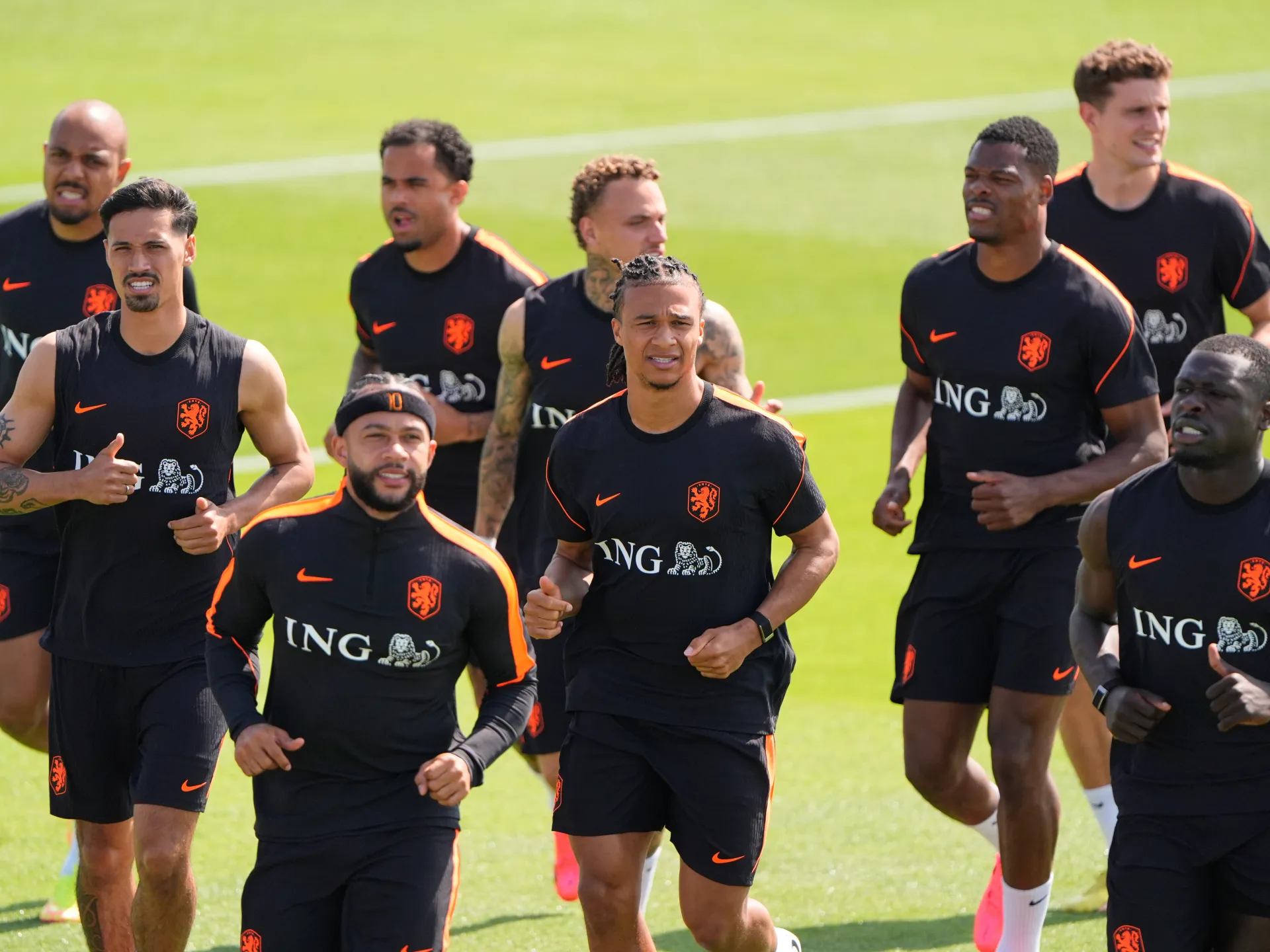
The stakes are amplified by the tournament’s expanded format. With 48 teams now competing, every point is precious. A loss here could send ripples through Group E, potentially derailing the ambitions of both nations. For the Netherlands, a strong start is essential to avoid the curse of early exits that has haunted their recent campaigns. For Japan, a victory would be a statement—a reminder that their brand of football, honed in the cauldron of Asian competition, can thrive on the world’s biggest stage.
Curacao’s World Cup Debut: A Caribbean Dream Realized
While the Netherlands vs. Japan duel dominates the headlines, another story is unfolding on the sidelines: Curacao’s long-awaited World Cup debut. The tiny Caribbean nation, with a population smaller than many African cities, has spent decades chipping away at the barriers of qualification. Their journey to the 2026 tournament is a testament to the unifying power of football, a sport that transcends borders and resources. For the players, it’s a chance to etch their names into history. For the fans back home, it’s a moment of collective pride that will resonate across the diaspora.
Curacao’s arrival in the World Cup isn’t just a feel-good narrative; it’s a reflection of football’s global expansion. The tournament’s new format has opened doors for nations that were once sidelined by geography or economics. Their participation adds a layer of diversity to the competition, ensuring that the World Cup remains a truly global spectacle. How they perform—whether they win, lose, or draw—will be secondary to the message they send: that football is for everyone, regardless of size or resources.
Their first match, against a yet-to-be-confirmed opponent, will be watched not just for the result, but for the symbolism. In a tournament where the margins between success and failure are razor-thin, Curacao’s presence alone is a victory. It’s a reminder that the World Cup isn’t just about the elite; it’s about the dreamers.
Tactical Battles: What to Watch on the Pitch
The Netherlands’ approach under their current manager has been a blend of possession-based football and high-intensity pressing. Their midfield, anchored by players like Xavi Simons and Ryan Gravenberch, is designed to control the tempo and suffocate opponents. But Japan’s ability to absorb pressure and strike on the counter could expose any vulnerabilities in their defensive structure. The Dutch will need to be clinical in front of goal; their reputation for creative football is matched only by their inconsistency in front of it.
Japan, meanwhile, will likely deploy their signature 4-2-3-1 formation, with a double pivot shielding their defense and a trio of attacking midfielders stretching play. Their full-backs, often the source of their most dangerous attacks, will look to exploit the spaces left by the Dutch’s high line. The key battle could be in midfield, where Japan’s work rate and positional discipline will be tested against the Netherlands’ technical superiority. If the Dutch can break through Japan’s midfield press, their wingers—players like Memphis Depay—could become the difference-makers.
For neutrals, the tactical chess match will be as compelling as the final score. Will the Netherlands’ possession dominance overwhelm Japan’s resilience? Or will Japan’s counter-attacking prowess catch the Dutch off guard? The answer could define the early narrative of the tournament.
African Teams’ Path Through the Tournament
While the Netherlands vs. Japan duel captures global attention, the World Cup’s expanded format means African teams will have more opportunities to shine. Nations like Morocco, Senegal, and Ivory Coast will be watching closely, not just for inspiration, but for lessons. Morocco’s historic run to the semifinals in 2022 proved that African teams can compete with the best. Senegal, the 2021 Africa Cup of Nations champions, will be aiming to build on their strong performances in recent tournaments. Ivory Coast, with a golden generation of players, will be desperate to end their World Cup drought.
For these teams, the early matches in the tournament will be crucial. A strong start could set the tone for their campaigns, while a poor one might force them into a must-win scenario in the knockout stages. The expanded format also means more African teams—potentially up to five—could qualify for the Round of 16. That’s a game-changer for the continent’s footballing ambitions.
The World Cup is more than just a competition; it’s a stage for African football to assert its place on the global map. Every match played by an African team is a chance to challenge stereotypes, inspire the next generation, and prove that the continent’s talent is boundless. Whether it’s Morocco’s defensive solidity, Senegal’s attacking flair, or Ivory Coast’s physicality, African football brings something unique to the tournament. The question isn’t if they’ll make an impact—it’s how deep they’ll go.
Key Fixtures Beyond the Opening Clash
The World Cup’s opening days are packed with fixtures that could shape the tournament’s early narrative. Germany, hosts of the 2026 edition, will face a stern test in their opener, while Brazil and Argentina will look to assert their dominance. But it’s the underdogs that often steal the spotlight. Teams like Saudi Arabia, with their recent upsets in Asian competitions, or Costa Rica, always a threat in the CONCACAF region, could spring surprises. The beauty of the expanded format is that even the so-called “weaker” teams have a real chance to progress.
For African fans, the schedule offers a mix of hope and caution. While the continent’s top teams will be expected to deliver, the real drama often lies in the performances of the underdogs. A team like Cape Verde or Guinea-Bissau, making their World Cup debut, could capture imaginations just as Curacao aims to. The tournament’s structure ensures that no match is truly meaningless; every point counts in the race for progression.
Among the fixtures to watch:
- A clash between two European giants, where tactical nuance could decide a tight contest.
- A South American derby, where flair and passion collide in a high-octane encounter.
- A potential upset in the making, where an African or Asian side takes on a traditional powerhouse.
The beauty of the World Cup is its unpredictability. No amount of pre-tournament analysis can account for the moments of individual brilliance, tactical missteps, or sheer luck that define the tournament. That’s what makes it the greatest sporting event on Earth. Whether it’s a last-minute winner, a red card that changes the course of a game, or a goalkeeper’s heroic save, the World Cup has a way of writing its own story.
What’s at Stake for the 2026 World Cup’s Legacy
The 2026 World Cup isn’t just another edition; it’s a landmark moment for the tournament. With 48 teams competing across three host nations—Canada, Mexico, and the United States—the event promises to be the most inclusive in history. For African football, it’s an opportunity to showcase its depth and resilience. For the global game, it’s a chance to redefine what’s possible in terms of competition and accessibility.
The Netherlands vs. Japan match is a microcosm of this broader narrative. It’s a clash of styles, of histories, and of ambitions. The Dutch represent the traditional powerhouses of European football, while Japan embodies the rise of Asian football as a force to be reckoned with. Their meeting is a reminder that the World Cup is a global stage, where every continent has a voice. For African teams watching from the sidelines, it’s a lesson in what’s required to succeed at the highest level: preparation, adaptability, and a refusal to be intimidated.
As the tournament unfolds, the early matches will set the tone. Will the favorites assert their dominance? Will the underdogs spring surprises? And will African teams rise to the occasion, proving that the continent’s footballing renaissance is more than just a fleeting moment? The answers to these questions will shape the World Cup’s legacy for years to come. But for now, all eyes are on the pitch, where the drama of world news today is unfolding in real time.
The stage is set. The players are ready. The world is watching.
Copyright notice: Images and source material are credited to their respective owners/source (original source where available). If you are the copyright owner and want an image or content removed, please contact us at topix.news/contact-us; we will review and remove it promptly.

Topix News Desk is a digital editorial team focused on delivering clear, timely, and useful news coverage for readers worldwide. Our reporting highlights African news with global context, including politics, business, economy, technology, health, sports, entertainment, travel, and culture. We aim to publish accessible, well-structured, and informative articles that help readers understand the stories shaping Africa and the world.