

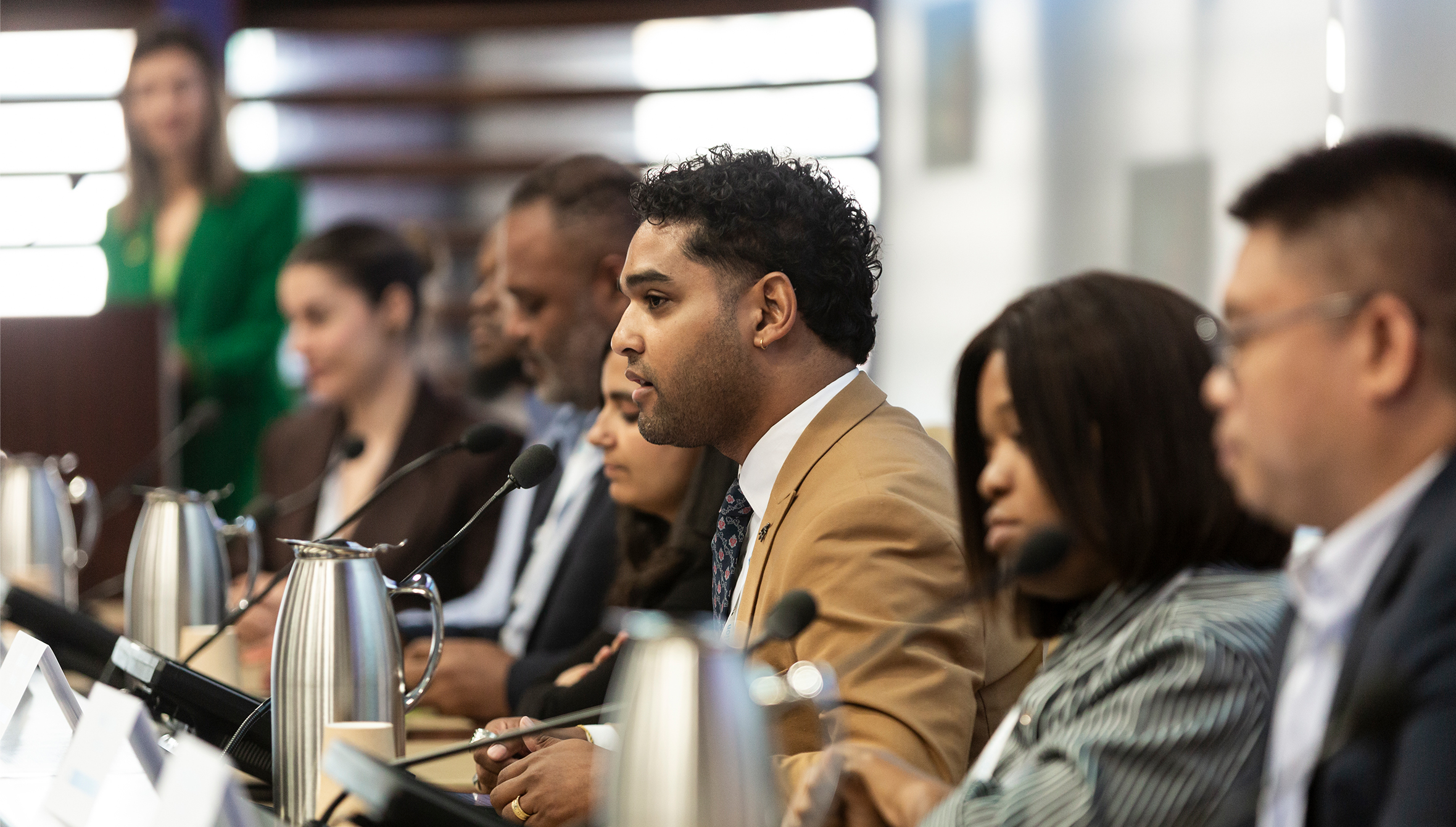
From Science to Policy: How Four Young Africans Are Redefining Conservation Leadership
In the face of escalating environmental crises—ranging from biodiversity collapse to climate-induced disasters—Africa’s youth are stepping into leadership roles with unprecedented urgency. Unlike traditional conservation narratives that often center on fieldwork or scientific breakthroughs, today’s young leaders are redefining success through policy advocacy, cross-sector collaboration, and systemic change. Their work spans from the Mediterranean coasts of Tunisia to the bustling cities of Nigeria, yet they share a common thread: the belief that conservation thrives not just in protected areas, but in the hands of those who can bridge gaps between science, governance, and community action.
This shift in perspective is particularly evident on World Youth Skills Day, a global observance that underscores the critical role of young professionals in addressing complex challenges. For Africa, where environmental degradation threatens livelihoods, economic stability, and cultural heritage, the need for innovative leadership has never been more pressing. Initiatives like the AWF-Wall Youth Leadership Program are at the forefront of this movement, equipping emerging conservationists with the tools to turn ideas into action—whether through policy reform, stakeholder engagement, or grassroots mobilization.
Maissa Louhichi: Turning Marine Science into a Movement for Biodiversity Governance
For Maissa Louhichi, a fisheries engineer based in Tunisia, conservation began in the water—literally. Her research focused on sea turtle bycatch, a critical yet often overlooked threat to marine biodiversity. Yet, as she delved deeper into the issue, she realized that scientific expertise alone was insufficient to drive meaningful change. Policy decisions shaping coastal ecosystems were being made in boardrooms far removed from the ocean’s edge, often without the input of young researchers like herself.
The AWF-Wall Youth Leadership Program became a turning point. Through the fellowship, Maissa gained insights into global biodiversity governance frameworks, learning how policies are crafted and implemented at national and international levels. This knowledge empowered her to bridge the divide between academia and decision-makers, ensuring that scientific findings were not just published in journals but translated into actionable policy.
Today, Maissa has taken this vision further by founding the Global Youth Biodiversity Network (GYBN) Tunisia. The initiative is a testament to her belief that conservation leadership must be inclusive. By providing platforms for young Tunisians to engage in biodiversity governance, GYBN is fostering the next generation of advocates who can shape national conservation agendas. Whether advocating for stricter fishing regulations or pushing for marine protected areas, Maissa’s work demonstrates how policy literacy and youth empowerment can redefine environmental stewardship.
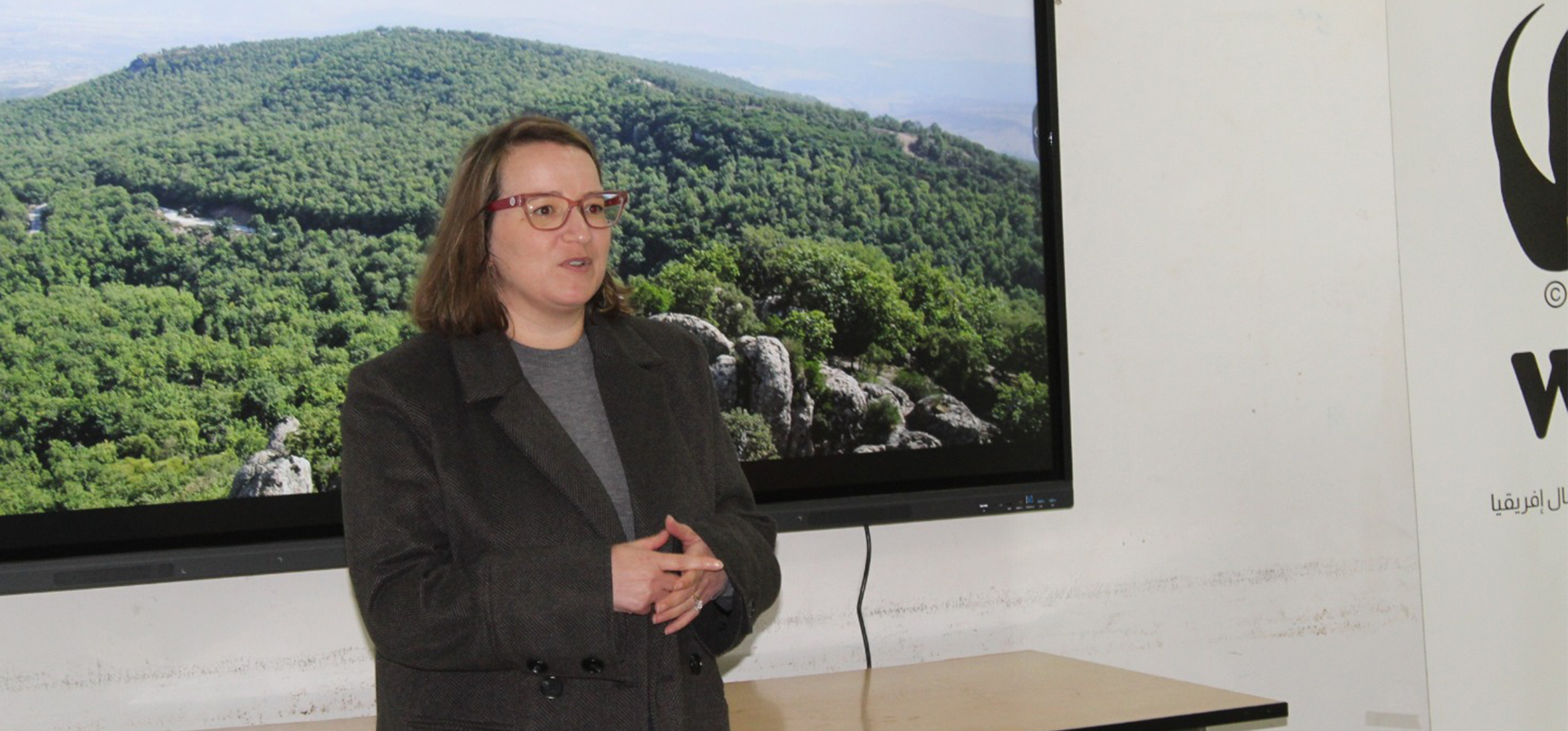
Maissa Louhichi at a GYBN Tunisia workshop, where young conservationists discuss policy strategies for marine protection.
Jody Frank Brown: Systems Thinking as the Key to Climate Governance in South Africa
In the Western Cape of South Africa, Jody Frank Brown, an Environmental Officer at the Climate Change Directorate, has spent years navigating the complexities of climate governance. His early work in climate planning quickly revealed a critical truth: no single department, organization, or individual can solve climate challenges alone. Success hinges on collaboration, shared ownership, and integrated systems thinking—approaches that were sharpened during his participation in the AWF-Wall fellowship.
Jody’s evolution as a leader is a study in design thinking and systems analysis. Instead of viewing climate action as a linear process—where one initiative follows another—he now emphasizes building interconnected networks that embed sustainability into governance structures. For example, he works to ensure that climate adaptation plans are not siloed within environmental ministries but are integrated into urban planning, agriculture, and public health policies.
His philosophy is simple yet revolutionary: meaningful climate action requires people working together. By fostering partnerships between government agencies, NGOs, private sector entities, and local communities, Jody ensures that solutions are contextual, adaptive, and sustainable. His work in the Western Cape is a case study in how leadership in conservation is less about expertise and more about facilitating collective action.
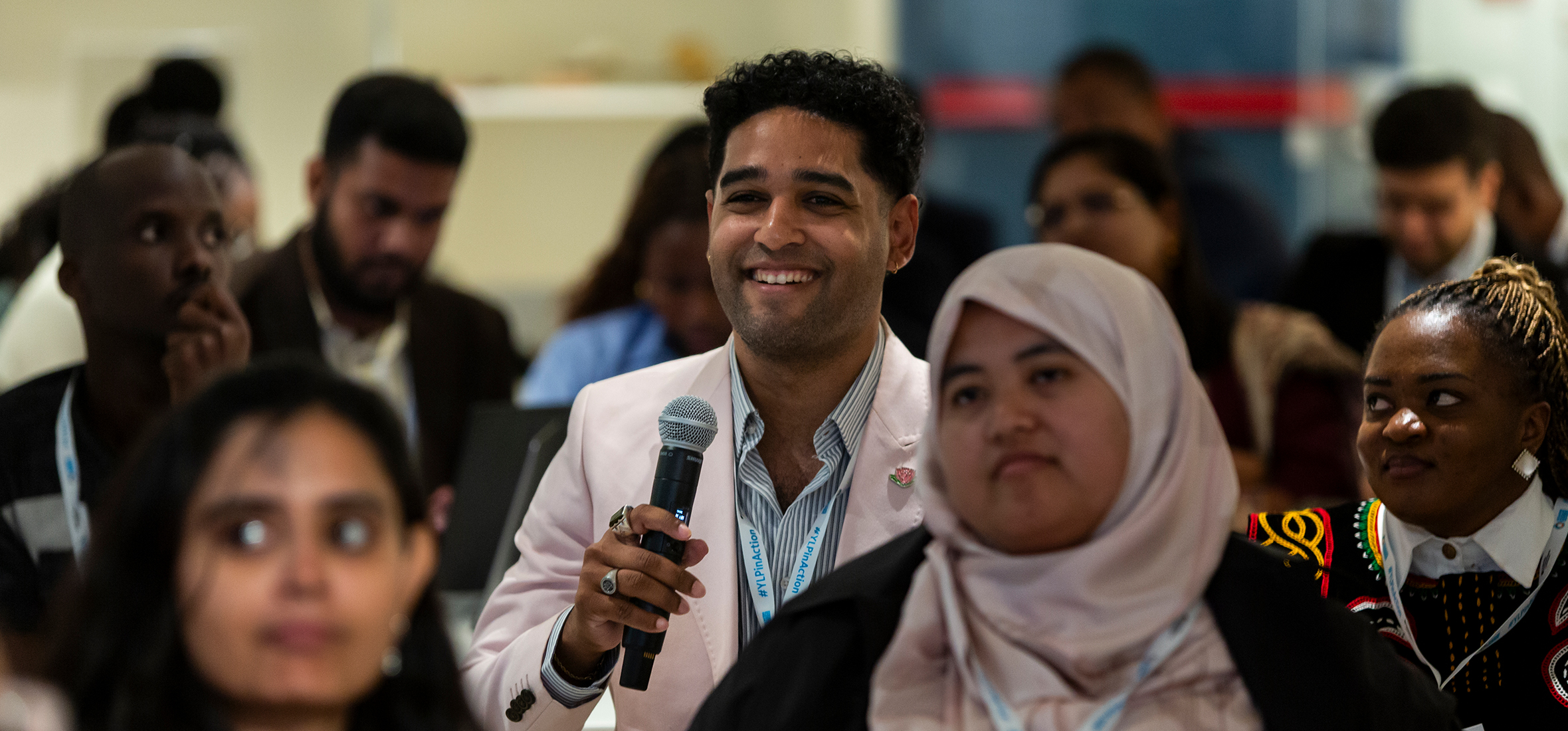
Jody Frank Brown facilitating a stakeholder workshop on integrated climate governance in Cape Town.
Dramani Ramdan: Championing the Invisible—The Critical Role of Fungi in Ecosystem Health
In Benin, Dramani Ramdan has dedicated his career to an often-overlooked corner of the natural world: fungi. While trees, animals, and marine life dominate conservation narratives, fungi—critical to soil health, nutrient cycling, and biodiversity—are rarely prioritized in policy or funding. Dramani’s work challenges this oversight, proving that true conservation leadership requires championing the unseen.
Through the AWF-Wall fellowship, Dramani honed his ability to translate complex scientific data into compelling policy arguments. He engaged with government officials, conservationists, and local communities to advocate for fungal conservation, arguing that neglecting fungi undermines broader ecosystem resilience. His efforts have borne fruit in tangible ways:
- Revisions to Benin’s National Biodiversity Strategy and Action Plan, now including explicit protections for fungal species.
- The Cotonou Declaration on Fungal Conservation, a regional commitment to safeguarding fungal biodiversity.
- Initiatives to establish Benin’s first protected area dedicated to fungi, a groundbreaking step in recognizing the ecological and cultural significance of these organisms.
Dramani’s journey underscores a vital truth: conservation leadership is not limited to charismatic megafauna. It extends to the microorganisms, ecosystems, and processes that sustain life, and those who can articulate their value to policymakers and the public.
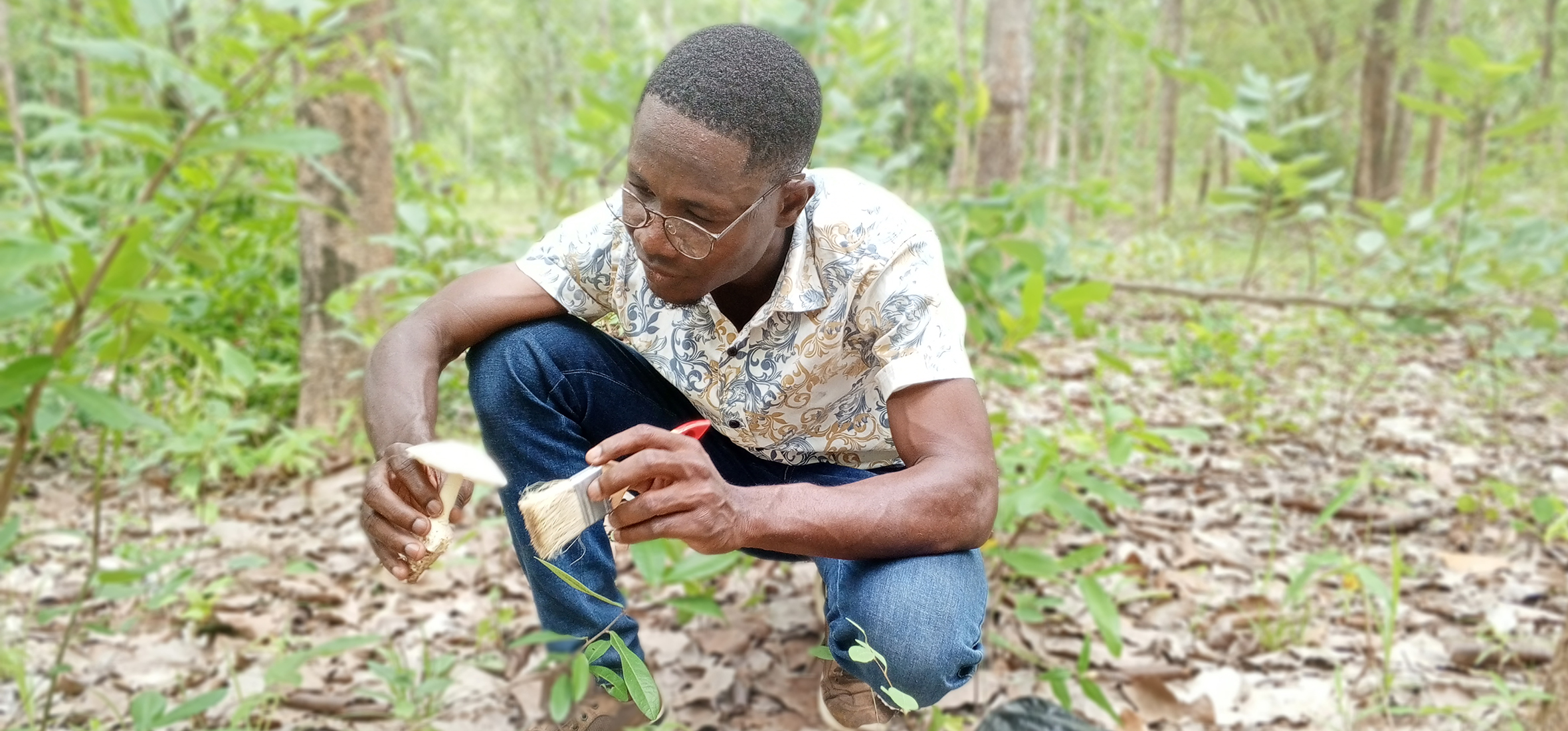
Dramani Ramdan conducting field research on fungal biodiversity in Benin’s forests.
Esther Chibueyin Fagbo: Transforming Plastic Pollution Through Inclusive Systems Change
In Nigeria, Esther Chibueyin Fagbo has spent years at the intersection of environmental sustainability and economic justice. Her work with informal waste pickers revealed a harsh reality: plastic pollution is not just an ecological crisis—it is a livelihood crisis. Millions of Nigerians rely on waste management for survival, yet their contributions are often invisible in policy discussions.
Esther’s path to leadership began unexpectedly—with a school essay competition on climate change that ignited her passion for environmental advocacy. Over time, she evolved from a concerned student to a systems thinker, recognizing that plastic pollution could only be tackled through multi-stakeholder collaboration. The AWF-Wall fellowship reinforced this perspective, teaching her how to build partnerships that include governments, corporations, financial institutions, civil society, and informal waste workers—all critical to creating a circular economy.
Today, as Manager of Nigeria’s National Plastic Action Partnership, Esther leads one of the most ambitious plastic pollution initiatives on the continent. Her work includes:
- Convening the first National Plastics Summit, which brought together 400+ stakeholders to discuss policy, innovation, and funding for plastic waste management.
- Advocating for inclusive policies that recognize the role of informal waste pickers in recycling and waste reduction.
- Pushing for corporate accountability, ensuring that businesses adopt sustainable practices rather than outsourcing pollution to communities.
Esther’s approach is a masterclass in systems transformation. She doesn’t just address plastic pollution—she reimagines the systems that create and perpetuate it, ensuring that solutions are equitable, scalable, and sustainable.

Esther Chibueyin Fagbo addressing stakeholders at Nigeria’s first National Plastics Summit.
The Common Thread: Leadership That Empowers Collective Action
At first glance, the work of Maissa, Jody, Dramani, and Esther appears disparate. One advocates for marine biodiversity in Tunisia, another integrates climate governance in South Africa, a third champions fungi in Benin, and the fourth transforms plastic waste systems in Nigeria. Yet their stories converge around a unifying principle: conservation success depends on leadership that empowers people to act together.
Their journeys reveal that true conservation leadership requires more than technical expertise. It demands:
- Policy Literacy – The ability to navigate bureaucratic systems and influence decision-making.
- Systems Thinking – Recognizing how different sectors intersect and must collaborate for lasting change.
- Cross-Sector Collaboration – Building bridges between governments, businesses, communities, and scientists.
- Communication and Advocacy – Translating complex issues into compelling narratives that inspire action.
- Inclusivity – Ensuring that marginalized voices—such as informal waste workers or local communities—are central to solutions.
These skills are not innate; they are learned, refined, and applied through programs like the AWF-Wall fellowship. What sets these leaders apart is their ability to turn knowledge into collective impact—proving that conservation is no longer the domain of a few experts but a shared responsibility.
The Future of African Conservation: A Call to Invest in Youth
The stories of Maissa, Jody, Dramani, and Esther challenge a long-held assumption: that conservation leadership must follow a rigid path. None of them began with a predefined career trajectory. Maissa started as a marine scientist, Jody as a climate planner, Dramani in an overlooked field, and Esther through a school essay. Yet their passion, adaptability, and willingness to learn turned them into agents of systemic change.
On World Youth Skills Day, their experiences serve as a reminder that investing in young people is not about preparing them for the future—it is about recognizing that they are already shaping it. Africa’s environmental challenges are vast, but so too is the potential of its youth to redefine conservation through innovation, collaboration, and inclusive leadership.
The landscapes and wildlife of Africa will continue to inspire global conservation efforts. However, their long-term survival depends on leaders like these four visionaries—those who understand that the most powerful tool for protecting nature is not just knowledge, but the ability to mobilize, advocate, and unite diverse voices around a shared vision.
As the continent faces unprecedented environmental pressures, one truth remains clear: the future of conservation in Africa will be written by those who dare to lead differently.
