

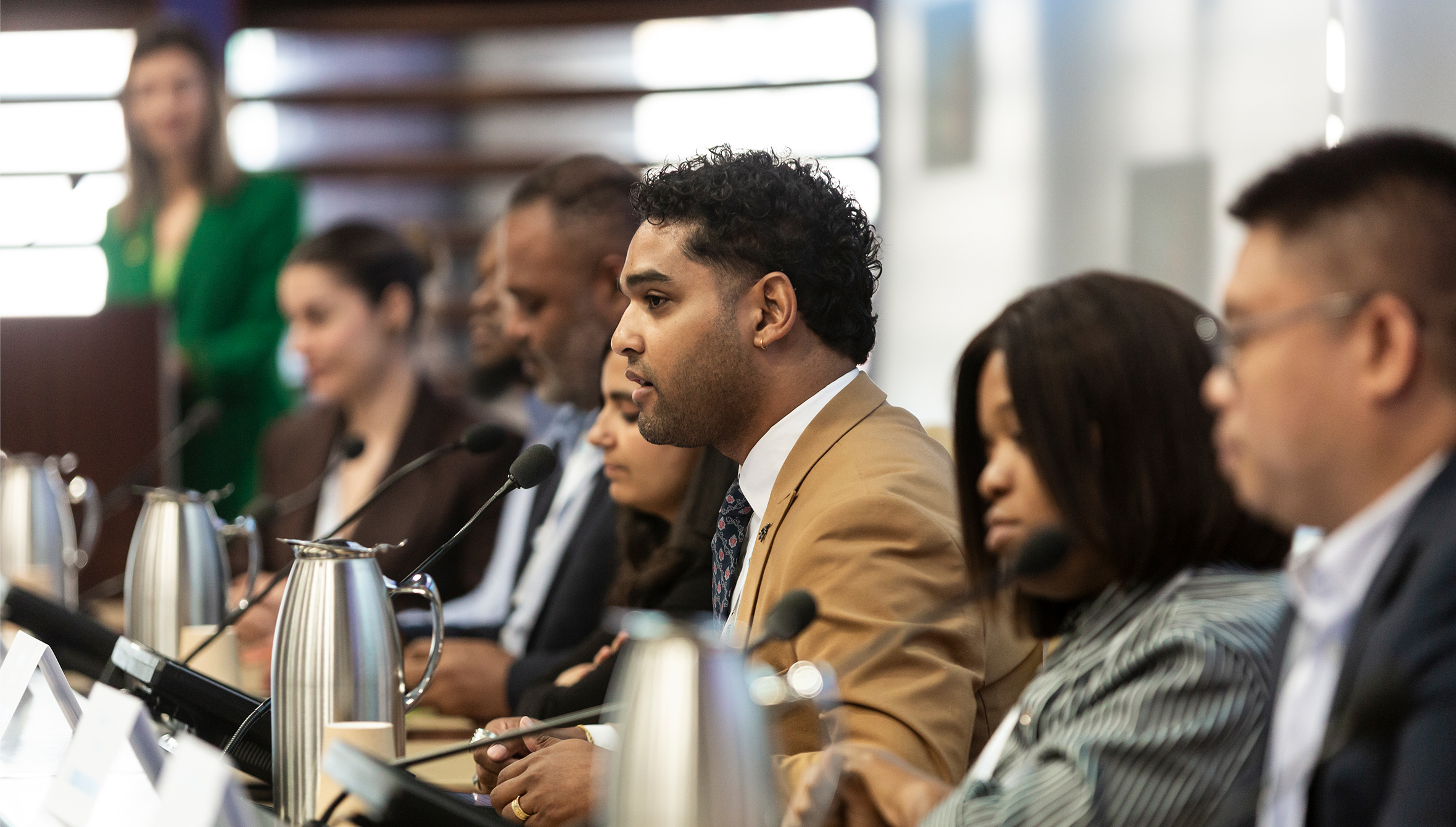
In the face of escalating environmental crises—ranging from rapid biodiversity loss and climate change to pervasive pollution and ecosystem degradation—Africa is witnessing a paradigm shift in conservation leadership. No longer confined to traditional roles of fieldwork or scientific discovery, today’s conservationists are architects of policy, facilitators of cross-sectoral collaboration, and communicators who bridge gaps between science, governance, and grassroots communities. Four young African leaders—Maissa Louhichi of Tunisia, Jody Frank Brown of South Africa, Dramani Ramdan of Benin, and Esther Chibueyin Fagbo of Nigeria—embody this evolution. Through their distinct yet interconnected journeys, they demonstrate how modern conservation leadership demands not just expertise, but vision, adaptability, and the ability to mobilize diverse stakeholders toward shared goals.
This transformation is particularly resonant on World Youth Skills Day, an occasion that underscores the critical role of young people in addressing Africa’s most pressing environmental challenges. The continent’s youth are not merely inheriting a legacy of conservation; they are actively redefining it by integrating technical knowledge with strategic leadership, policy advocacy, and inclusive governance.
From Science to Policy: Maissa Louhichi’s Bridge Between Research and Governance
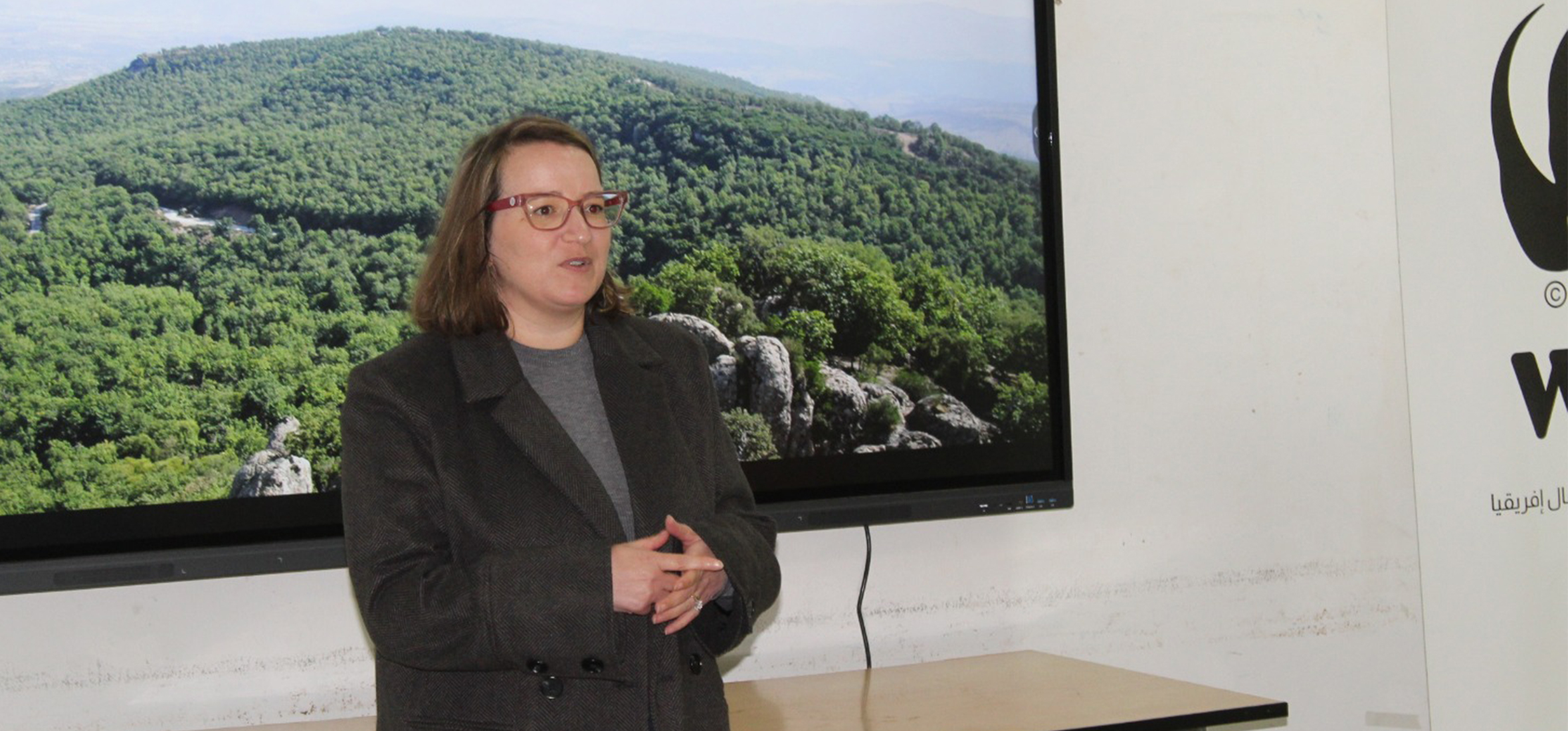
For Maissa Louhichi, a fisheries engineer specializing in sea turtle bycatch, conservation began as a scientific pursuit. Yet her work with the African Wildlife Foundation’s (AWF) Wall Youth Leadership Program revealed a critical gap: while young Tunisians shared her passion for biodiversity, few had the platforms or skills to influence policy decisions that shape conservation outcomes.
Maissa’s breakthrough came when she recognized that policy was the missing link between scientific research and real-world impact. Through the fellowship, she gained insights into the architecture of global biodiversity governance, learning how decisions are made at national and international levels. Armed with this knowledge, she founded the Global Youth Biodiversity Network (GYBN) Tunisia, a platform designed to empower young people to engage meaningfully in biodiversity governance.
Today, GYBN Tunisia is a hub for youth-led advocacy, fostering collaborations between scientists, policymakers, and civil society. Maissa’s story illustrates a fundamental truth: conservation leadership today requires more than technical skills—it demands the ability to translate complex scientific findings into actionable policy and to ensure that marginalized voices, particularly those of young people, are heard in the decision-making process.
Systems Thinking in Action: Jody Frank Brown’s Approach to Climate Governance
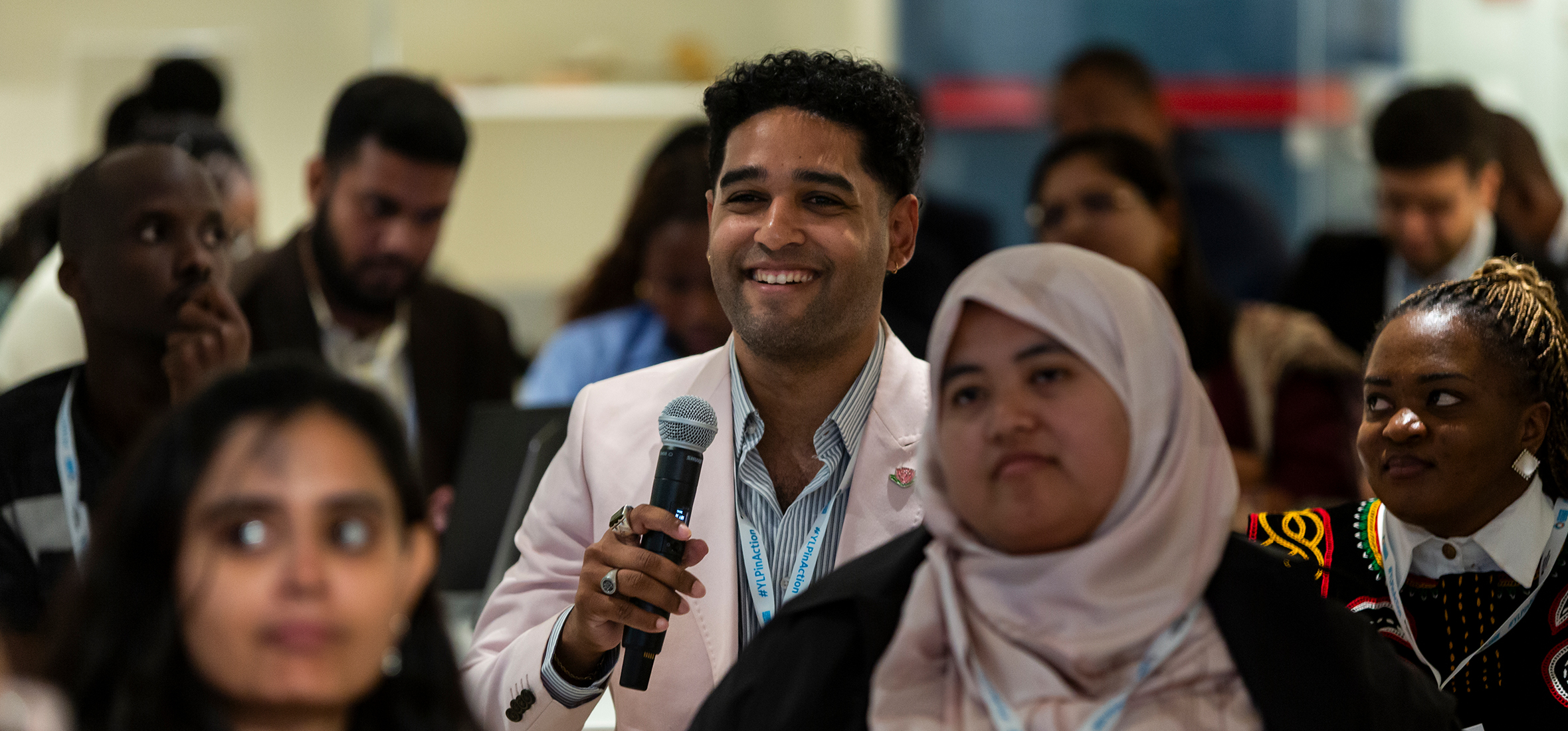
In South Africa’s Western Cape Province, Jody Frank Brown, a Climate Change Specialist, quickly discovered that effective climate action is not about isolated initiatives but about building cohesive systems where environmental goals are embedded within broader governance structures. His work with the Western Cape Government Climate Change Directorate led him to question traditional approaches: why do climate strategies often fail to gain traction when they are developed in silos?
The AWF-Wall Youth Leadership Program provided Jody with the tools to reframe his perspective. By adopting systems thinking and design thinking, he learned to approach climate governance as a dynamic, interconnected web of stakeholders—government agencies, communities, private sector entities, and civil society organizations. His approach now centers on fostering shared ownership across sectors, ensuring that climate solutions are not just implemented but sustained over time.
Jody’s philosophy is simple yet revolutionary: climate action succeeds when it is not the responsibility of a single department but a collective effort. His work demonstrates how leadership in conservation can drive systemic change, proving that the most durable solutions emerge from collaboration rather than competition.
Championing the Overlooked: Dramani Ramdan’s Fungal Conservation Revolution
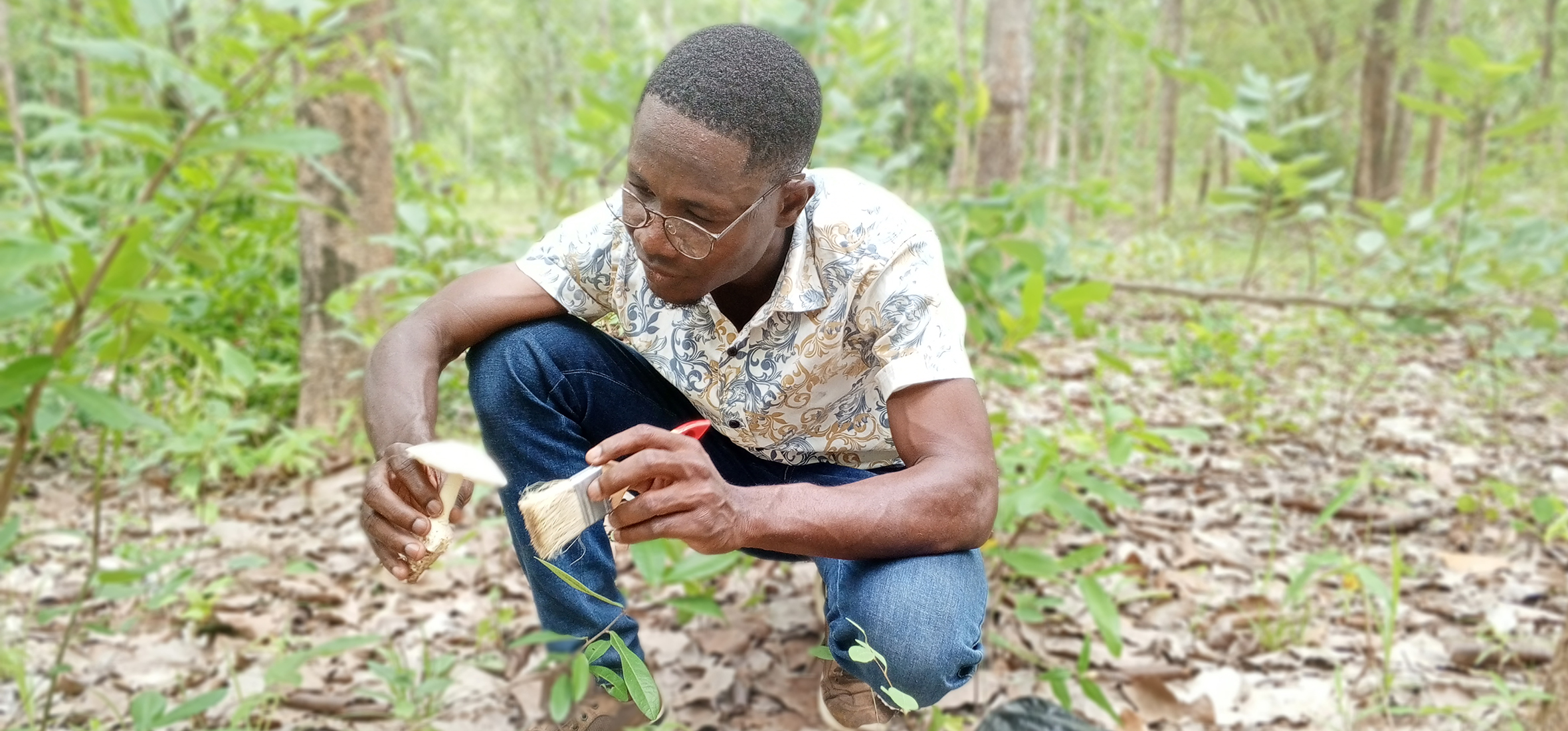
While most conservation efforts focus on charismatic megafauna or iconic landscapes, Dramani Ramdan of Benin has dedicated his career to an often-neglected cornerstone of ecosystems: fungi. Despite their indispensable role in nutrient cycling, soil health, and biodiversity, fungi rarely feature in conservation agendas. Dramani’s journey is a testament to how leadership can redefine priorities and shift narratives.
Through the AWF-Wall fellowship, Dramani honed his ability to translate scientific evidence into compelling policy advocacy. His work has directly influenced Benin’s National Biodiversity Strategy and Action Plan, contributing to the Cotonou Declaration on Fungal Conservation—a landmark agreement that elevates fungi to a priority conservation focus. Additionally, his efforts are paving the way for Benin’s first protected area dedicated exclusively to fungal biodiversity, a groundbreaking initiative that could serve as a model for other nations.
Dramani’s story underscores the power of niche expertise in driving broader conservation outcomes. By advocating for fungi, he is not just protecting a specific species group; he is challenging conventional wisdom about what constitutes a “priority” in conservation. His leadership highlights how innovative thinking can unlock new avenues for environmental stewardship.
Systems Transformation: Esther Chibueyin Fagbo’s Plastic Pollution Revolution
For Esther Chibueyin Fagbo, conservation leadership is about transforming entire systems—not just addressing symptoms of environmental degradation but reengineering the structures that perpetuate them. Her work in Nigeria’s National Plastic Action Partnership exemplifies this approach. Having spent years working alongside informal waste pickers, Esther recognized that plastic pollution was not merely an environmental issue but a livelihood, health, and economic challenge for marginalized communities.
The AWF-Wall fellowship challenged her to move beyond project-based solutions and instead focus on building inclusive institutions and partnerships that could sustain long-term change. Today, as the Manager of Nigeria’s National Plastic Action Partnership, Esther convenes a diverse coalition of stakeholders—government agencies, private sector leaders, financial institutions, researchers, youth organizations, and informal waste workers—to advance a circular economy model that prioritizes equity and sustainability.
One of her most significant achievements was organizing Nigeria’s first National Plastics Summit, which brought together over 400 stakeholders to discuss systemic solutions to plastic pollution. The summit underscored a critical truth: meaningful environmental change requires collaboration across sectors, with all voices—especially those of marginalized communities—centered in the conversation.
The Common Thread: Leadership as Collective Action
While Maissa, Jody, Dramani, and Esther operate in distinct geographic and thematic contexts, their journeys share a unifying principle: conservation leadership today is about empowering people to lead together. Their success stories reveal that technical knowledge, while essential, is insufficient without communication skills, policy literacy, systems thinking, and the ability to mobilize diverse stakeholders around a shared vision.
This shift reflects a broader evolution in African conservation, where success is no longer measured solely by ecological outcomes but also by institutional resilience, inclusive decision-making, and community-driven solutions. As Dramani puts it, “The future of conservation lies not in what we know, but in how we collectively act on that knowledge.”
A Legacy Built on Unconventional Beginnings
What unites these four leaders is not their formal training or early career paths, but their unwavering commitment to environmental stewardship. Maissa began as a marine scientist; Jody’s journey started in climate planning; Dramani pursued an underrepresented field; and Esther’s path was ignited by a school essay competition on climate change that sparked a lifelong passion.
Their stories remind us that leadership in conservation is not reserved for those with preordained trajectories. Instead, it emerges from curiosity, resilience, and the courage to challenge the status quo. On World Youth Skills Day, their experiences serve as a powerful reminder that investing in young people is not about preparing them for a future role—it is about recognizing that they are already shaping Africa’s environmental future today.
The Future of Conservation: A Call to Collective Action
Africa’s wildlife and landscapes will always be the heart of conservation efforts. Yet, as these young leaders demonstrate, the future of these ecosystems depends on more than protection—it requires visionary leadership that can navigate complexity, foster collaboration, and inspire collective action. The most powerful tool for safeguarding nature, they prove, is not just knowledge, but the ability to turn that knowledge into meaningful, inclusive, and sustainable change.

As the continent faces unprecedented environmental challenges, the stories of Maissa, Jody, Dramani, and Esther offer a blueprint for the next generation of conservationists: leadership that is adaptive, inclusive, and rooted in the belief that environmental progress is achieved not by individuals alone, but by communities working together. Their work is a testament to the fact that the most enduring solutions are those that empower people to become stewards of their own environmental futures.
