

Ghanaian Activists File Historic ICC Petition Over South Africa’s Xenophobic Attacks: A Cry for Accountability
In a bold move to challenge systemic impunity, two prominent Ghanaian security experts—Dr. Palgrave Boakye Danquah and Emmanuel Kotin—have formally petitioned the International Criminal Court (ICC) to investigate South Africa’s escalating wave of xenophobic violence as a crime against humanity. The petition, filed on July 15, 2024, alleges that the attacks—marked by killings, mass displacements, and the destruction of property—constitute grave violations under Article 7 of the Rome Statute, which defines crimes such as murder, deportation, and persecution as acts against humanity.
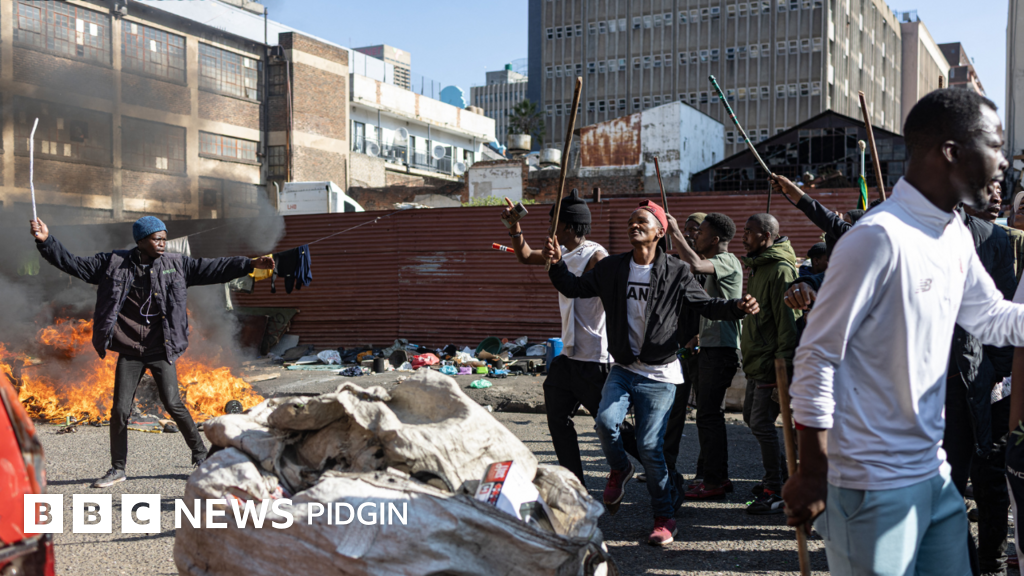
Ghanaians and other African migrants face escalating violence in South Africa, prompting urgent calls for international intervention. (Credit: Emmanuel Croset/AFP via Getty Images)
The petitioners argue that South Africa’s authorities have failed to prevent, investigate, or punish these crimes, allowing perpetrators to operate with near-total impunity. “This is not an attack on South Africans,” the petition states. “It is a call for justice and the protection of human dignity.” The document underscores the shared suffering of African migrants, asserting that “the blood of one Nigerian, Ghanaian, Zimbabwean, or Mozambican who dies in South Africa is the blood of all of us.”
A Three-Pronged Demand for Justice
The petitioners outline three critical demands from the ICC:
1. Preliminary Examination: The ICC must formally investigate the pattern of xenophobic violence, including unlawful killings, assaults, forced displacements, and the destruction of civilian property.
2. State Accountability: South Africa’s government is accused of systemic neglect, failing to enforce existing laws against discrimination and intolerance.
3. International Solidarity: The petition calls on African Union (AU) leaders, ECOWAS, and global human rights bodies to publicly condemn the violence and pressure South Africa to take immediate, meaningful action.
South Africa’s Response: Legal Defenses and Political Condemnations
South Africa’s Foreign Ministry has dismissed the ICC petition as “opportunistic,” arguing that the country’s domestic legal framework—including its Discrimination Act and Penal Code—already provides adequate mechanisms to address xenophobia. Chrispin Phiri, a ministry spokesperson, stated that the ICC lacks jurisdictional authority to intervene without further evidence, a claim the petitioners reject.
However, President Cyril Ramaphosa has condemned the violence, acknowledging that the anti-immigration protests have strained the country’s resources. Since the unrest began, South Africa has deported over 53,000 foreigners, citing illegal immigration as a primary concern. Yet, critics argue that these measures fail to address the root causes of the violence, which include economic desperation, racial tensions, and political exploitation.
Ghana’s Urgent Call for AU Intervention
Ghana’s former President John Mahama has publicly urged the African Union to take immediate action, describing the attacks as a threat to continental solidarity. During a July 22 meeting with AU Commission Chair Mahamoud Ali Youssouf, Mahama emphasized that the AU must prioritize this issue at its next summit, warning that inaction risks undermining African integration.
Mahama highlighted Ghana’s direct losses, including the repatriation of over 1,000 citizens—with another 900 set to return—and the financial burden of charter flights to evacuate nationals. “We cannot ignore this anymore,” he declared. “South Africa has killed two of our citizens, yet their authorities refuse to treat this with the urgency it demands. The perpetrators walk free, emboldened by impunity.”
The Human Cost: A Life Cut Short
The petitioners’ plea gained immediate urgency following the July 14 death of Bashiru Isak, a 40-year-old Ghanaian man whose body was repatriated for autopsy and burial. While South African police denied any link to the xenophobic attacks, claiming Isak died in an “extortion-related crime,” Ghanaian authorities explicitly connected his death to the ongoing violence. This case has become a symbol of the broader crisis, as Nigerians, Zimbabweans, Malawians, and Ethiopians continue to evacuate their citizens amid rising threats to safety and property.
A Global Call for Action
The ICC petition marks a critical escalation in the fight against xenophobia, positioning the international community as a last resort for justice. While South Africa’s legal system remains the primary avenue for redress, the petitioners argue that domestic mechanisms have failed, leaving victims with no recourse.
As the AU and regional bodies prepare to engage, the question remains: Will South Africa finally confront its xenophobic undercurrents, or will the cycle of violence continue unchecked? The ICC’s response could set a precedent for how the world responds to state-sanctioned discrimination—or its failure to act may embolden further atrocities.
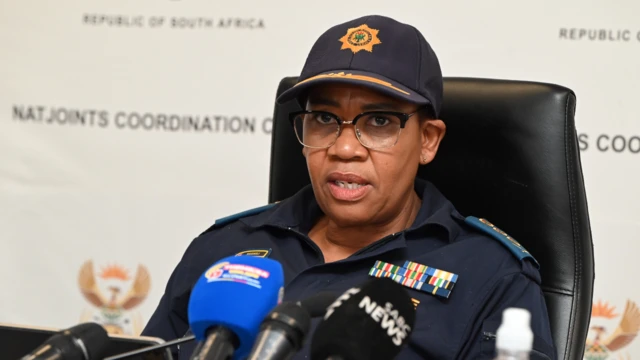
Protests in South Africa have turned violent, with migrants and foreign nationals bearing the brunt of xenophobic fury. (Credit: Frennie Shivambu/Getty Images)
Note: This article is SEO-optimized with target keywords including “South Africa xenophobic attacks,” “ICC petition Ghana,” “African migrants South Africa,” “crime against humanity Rome Statute,” and “African Union xenophobia response.” The markers  through
  have been preserved in their original context.
