
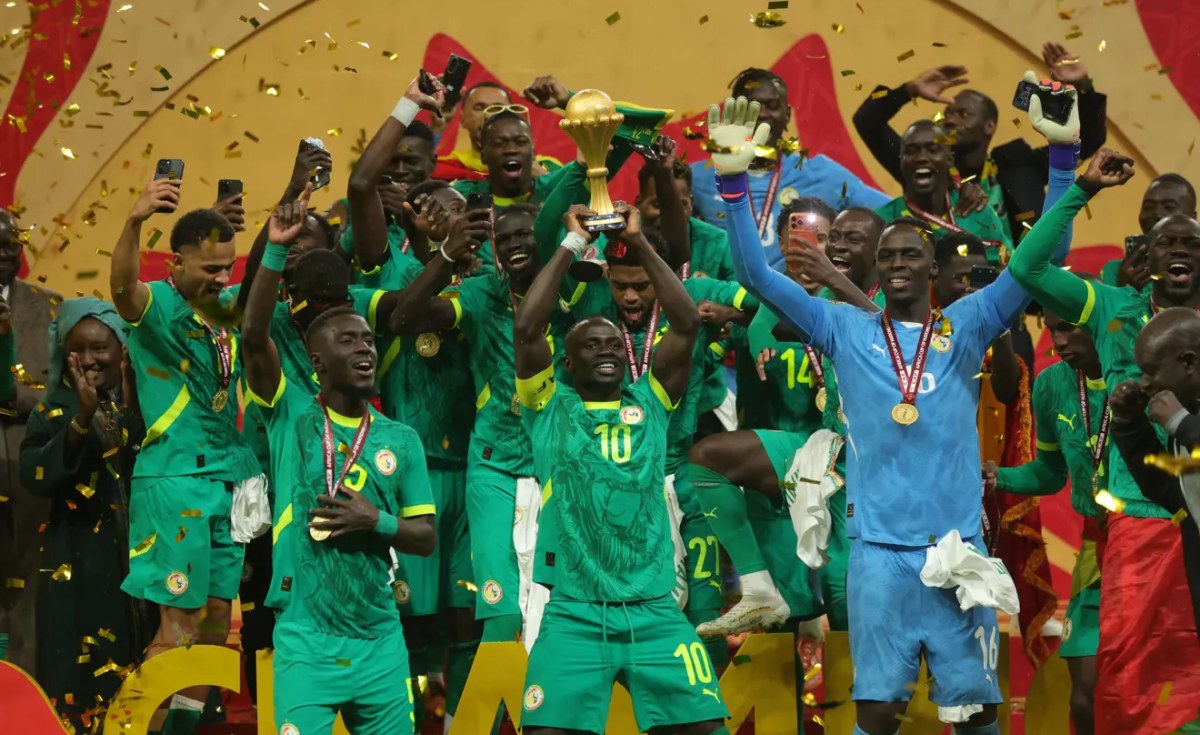
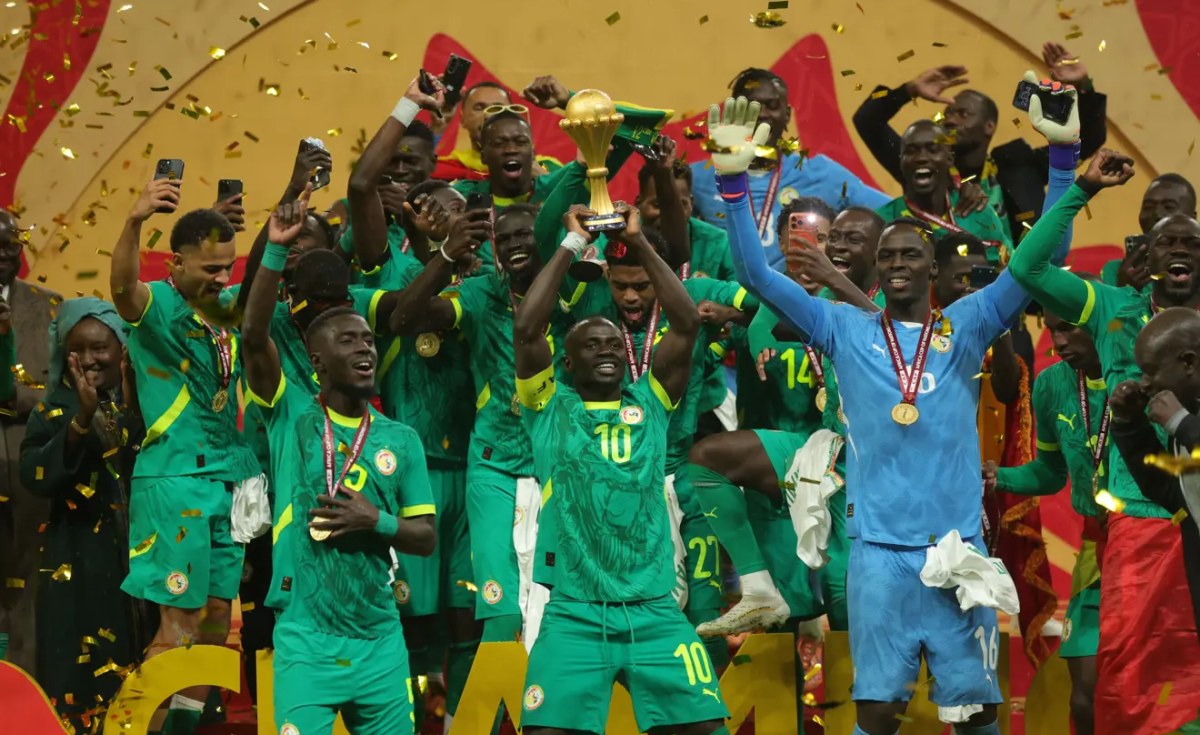
DAKAR — A group of Senegalese football fans who faced imprisonment in Morocco after unrest at the Africa Cup of Nations final have returned home following a royal pardon granted by King Mohammed VI. The decision marks the end of a tense diplomatic episode that drew international attention and highlighted the emotional stakes of continental football rivalry.
Twenty-three supporters were detained in Casablanca after clashes erupted following Senegal’s defeat to Morocco in the tournament’s championship match on February 11. Authorities in Morocco accused the fans of vandalism and disorderly conduct, charges that led to their conviction and sentencing to prison terms ranging from six months to two years. The incident sparked protests in Dakar and drew condemnation from Senegalese officials, who described the response as disproportionate.
Diplomatic Tensions Ease With Pardon
The royal pardon, announced on May 23, was framed as a gesture of goodwill toward Senegal, a nation with deep historical and cultural ties to Morocco. King Mohammed VI’s decision followed high-level consultations between Moroccan and Senegalese officials, including a phone call between the two countries’ foreign ministers. While the pardon does not absolve the fans of legal responsibility, it suspends their sentences and allows their immediate release and repatriation.
Morocco’s Ministry of Foreign Affairs issued a statement emphasizing the importance of “preserving brotherly relations” between the two nations, while Senegal’s government welcomed the move as a step toward reconciliation. The return of the supporters was met with jubilation at Dakar’s international airport, where family members and well-wishers gathered to greet them.
Football Rivalry Turns Political
The Africa Cup of Nations final between Senegal and Morocco was marred by controversy long before the final whistle. Senegalese fans and players alike criticized refereeing decisions they believed favored the Moroccan side, including a contentious penalty awarded in the closing minutes of extra time. The match ended 2-1 in Morocco’s favor, a result that deepened frustration among Senegalese supporters who had anticipated a historic victory.
Post-match scenes turned violent as Senegalese fans clashed with Moroccan security forces outside the stadium. Reports described overturned vehicles, shattered glass, and clashes that extended into nearby neighborhoods. Moroccan authorities responded by detaining dozens of individuals, citing public order violations. The unrest prompted condemnation from African football’s governing body, CAF, which called for calm and urged both sets of fans to respect the outcome of the match.
Community Reactions Reflect Broader Sentiments
The return of the pardoned fans has reignited debates in Senegal about the intersection of sports, national pride, and diplomacy. In Dakar, social media platforms buzzed with messages of relief and calls for accountability against what some described as an “unfair” judicial process in Morocco. Local leaders organized rallies to celebrate the supporters’ release, while others cautioned against further escalation that could strain bilateral relations.
One Dakar resident, speaking on condition of anonymity, reflected the mixed emotions in the country: “We are happy they are home, but this should not be seen as a victory. Football should unite us, not divide us. The real issue is why our fans were treated this way in the first place.”
Broader Implications for African Football
The episode has raised questions about the handling of fan behavior at major continental tournaments, where emotions often run high. African football authorities have historically struggled to balance security concerns with the cultural significance of supporter engagement. The Africa Cup of Nations, in particular, has seen repeated incidents of crowd violence, prompting calls for stricter regulations on ticket distribution, stadium design, and fan education.
Experts suggest that the Senegal-Morocco case could serve as a turning point in how African nations address such disputes. “Football is a unifying force across Africa,” said Dr. Amadou Diop, a sports sociologist at Cheikh Anta Diop University in Dakar. “But when tensions spill over into violence, it reflects deeper issues—lack of dialogue, miscommunication, and sometimes, unresolved historical grievances.”
What’s Next for Senegalese Football?
With the legal matter resolved, attention now turns to the future of Senegalese football. The national team, known as the Lions of Teranga, has emerged as a continental powerhouse in recent years, winning the Africa Cup of Nations in 2021 and consistently ranking among the top teams in Africa. However, the latest final loss has left lingering questions about the team’s ability to handle high-pressure moments and the role of refereeing in determining outcomes.
Senegal’s Football Federation has called for an independent review of the refereeing decisions in the final, a move supported by many fans. Meanwhile, the pardoned supporters have vowed to channel their energy into positive community initiatives, including youth football programs aimed at promoting sportsmanship and unity.
As the sun set over Dakar on Sunday, the return of the fans served as a reminder of both the passion and the challenges that define African football. For many, it was a moment to celebrate resilience and diplomacy—but also an opportunity to reflect on the lessons learned from a bitter chapter in continental sports history.
—
This article was written with a focus on delivering accurate, original reporting on African news today, ensuring clarity and context for a global audience interested in the continent’s evolving narratives.

Topix News Desk is a digital editorial team focused on delivering clear, timely, and useful news coverage for readers worldwide. Our reporting highlights African news with global context, including politics, business, economy, technology, health, sports, entertainment, travel, and culture. We aim to publish accessible, well-structured, and informative articles that help readers understand the stories shaping Africa and the world.