

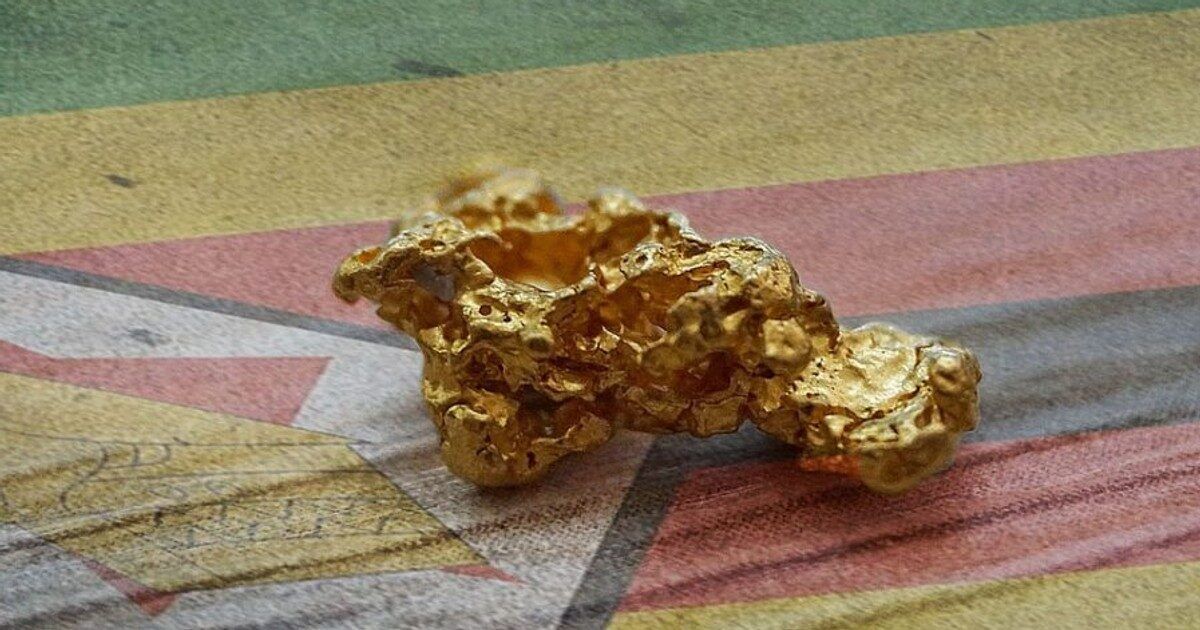
Ghana, Africa’s largest gold producer, is implementing a landmark policy to enhance domestic control over its gold reserves, strengthen its currency, and maximize value retention from one of its most critical exports. Effective July 1, 2024, the West African nation will require large-scale mining firms to sell 30% of their gold output to the state-owned Ghana Gold Board (GoldBod), a significant increase from the previous 20% requirement. This strategic shift aligns with broader economic reforms aimed at rebuilding foreign reserves, stabilizing the cedi, and positioning Ghana as a regional hub for gold refining and trade.
A Strategic Shift to Retain Bullion Domestically
The new mandate, negotiated through the Ghana Chamber of Mines, targets doré gold—semi-refined bars produced before final refining—ensuring that a larger share of Ghana’s gold remains within the country rather than being exported directly to international markets. This move follows years of economic challenges, including debt restructuring and currency depreciation, which have underscored the need for greater financial resilience.
Gold has emerged as a preferred reserve asset for central banks globally, driven by record bullion prices, geopolitical uncertainty, and efforts to diversify away from USD-dominated reserves. Ghana’s initiative reflects this broader trend, as the country seeks to accumulate gold reserves for economic stability while capturing more value from its mining sector.
Building a Stronger Financial Buffer
Since 2022, the Bank of Ghana (BoG) has been purchasing domestically produced gold as part of its Reserve Diversification Programme. Current holdings stand at 19.2 metric tonnes, but under the Ghana Accelerated National Reserve Accumulation Programme (GhARAP), the central bank aims to increase reserves to 157 metric tonnes by 2028—equivalent to 15 months of import cover. This expansion is critical for reducing vulnerability to external shocks, improving investor confidence, and providing a stable foreign currency source during economic downturns.
Under the new agreement, GoldBod will purchase gold at a 0.55% discount to the BoG’s reference price, with payments made in Ghanaian cedis, ensuring liquidity within the domestic economy. This discount is designed to balance incentives for miners while maximizing state revenue.
Accelerating Local Gold Refining and Value Addition
One of the most significant long-term goals of this policy is to develop Ghana’s domestic gold refining industry. Currently, much of Ghana’s gold is exported in semi-refined form, missing out on higher-value processing and certification. By retaining more gold domestically, the government aims to refine it locally before final certification at an LBMA-accredited refinery, a process expected to be operational by 2030.
This shift would position Ghana as a regional refining and trading hub, retaining more revenue from its gold exports and reducing reliance on foreign refiners. The government has already taken steps to formalize the gold trade, improve traceability, and combat smuggling through GoldBod, which already purchases 100% of output from Ghana’s artisanal and small-scale miners. The inclusion of large-scale miners under the new mandate expands GoldBod’s role significantly.
Record Production and Economic Dependence on Gold
Ghana’s gold sector remains vital to its economy, accounting for approximately 40% of export earnings and serving as a major foreign exchange earner. In 2023, the country produced a record 6 million ounces of gold, reinforcing its status as Africa’s top producer. However, historical reliance on raw gold exports has limited Ghana’s ability to capture full value from its mineral wealth.
The new policy addresses this by encouraging value addition domestically, aligning with a global trend where nations—from Chile in lithium to the DRC in cobalt—are pushing for local processing and refining to retain economic benefits. If successful, Ghana’s initiative could strengthen its position as a key player in Africa’s gold value chain, reducing dependence on volatile international markets.
Negotiations and Industry Response
The 30% increase was negotiated after months of discussions between the government and major mining firms, including Newmont, Gold Fields, and Zijin Mining. While the policy has faced some resistance from miners concerned about reduced flexibility, the government has emphasized long-term economic benefits, including stability in foreign reserves and currency support.
GoldBod’s reforms also include digital tracking systems to enhance transparency and reduce smuggling, which has long plagued Ghana’s gold trade. By centralizing purchases and formalizing the sector, the government aims to boost tax revenues, create jobs, and foster a more structured mining ecosystem.
Broader Implications for Africa’s Mining Sector
Ghana’s move reflects a regional shift toward domestic value retention in commodity exports. Countries like South Africa (platinum), Nigeria (oil), and Zimbabwe (lithium) are exploring similar strategies to reduce reliance on raw material exports and build high-value industries. If Ghana succeeds in developing its refining sector, it could serve as a model for other African nations seeking to maximize returns from their mineral wealth.
Conclusion: A Bold Step Toward Economic Sovereignty
By tightening control over gold exports, expanding domestic refining, and accumulating strategic reserves, Ghana is taking bold steps toward economic sovereignty. The 30% state purchase mandate is not just about boosting reserves—it’s about redefining Ghana’s role in the global gold market and ensuring that the country reaps the full benefits of its natural resources.
As the world’s appetite for gold continues to grow, Ghana’s strategy could reshape Africa’s mining landscape, proving that local value addition is the key to sustainable economic growth.
 (Illustration of Ghanaian gold refining facilities or state-owned GoldBod operations)
