

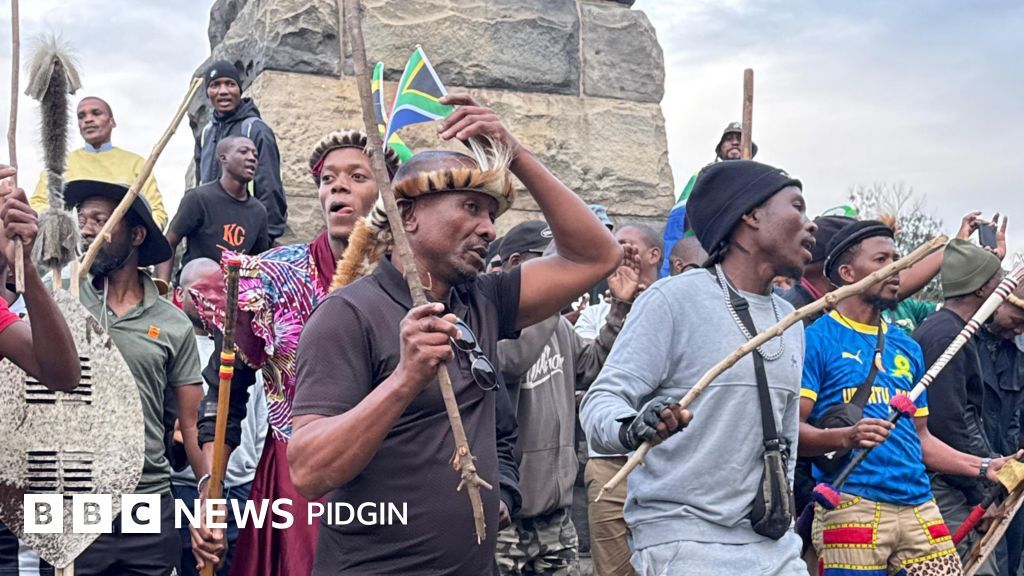
South Africa is bracing for a high-stakes confrontation as anti-immigration protests surge across major cities on June 30, marking the implementation of a controversial ultimatum issued by the March Against Crime (MAC) pressure group. The deadline, which demands the immediate departure of undocumented migrants from the country, has ignited widespread concern over potential escalation into violent clashes, particularly in regions already plagued by xenophobic tensions.
A Nation on Edge: Protests Under Heavy Surveillance
Protesters have gathered in multiple high-tension areas, including Johannesburg, Durban, and Cape Town, under an unprecedented security crackdown. Authorities, including the South African Police Service (SAPS) and military personnel, have been deployed in force to mitigate risks of unrest. The government has reiterated that immigration enforcement remains the sole responsibility of state institutions, while civil society groups warn that unchecked protests could spiral into another wave of violent attacks against foreign nationals.
Government Response: Balancing Enforcement and Stability
The South African government has distanced itself from the ultimatum, emphasizing that legal immigration processes must be followed rather than resorting to mass deportations or vigilante actions. However, the pressure group’s demands—backed by vocal segments of the population—have reignited debates over economic strain, job competition, and perceived overpopulation by migrants. Critics argue that the ultimatum lacks a structured approach, risking chaos rather than solutions.
Regional Hotspots Under Scrutiny
Key provinces, including Gauteng (home to Johannesburg), KwaZulu-Natal (Durban), and the Western Cape (Cape Town), have been identified as flashpoints due to their high migrant populations and history of xenophobic violence. Police have reinforced checkpoints, deployed sniffer dogs, and increased patrols in areas where tensions are highest. Meanwhile, humanitarian organizations warn that displacement without proper documentation could leave thousands vulnerable to exploitation or deportation.
Historical Context: Fear of Repeat Xenophobic Violence
South Africa has a troubled history with anti-immigrant sentiment, most notably during the 2008 and 2019 xenophobic attacks, which left dozens dead and displaced thousands. The current protests echo those past crises, with reports of burned-out businesses owned by foreign nationals and clashes between locals and migrants. Authorities are urging calm, but the ultimatum’s rigid timeline has left little room for negotiation.
Global and Domestic Reactions
Internationally, the United Nations and African Union have expressed concern over the humanitarian implications, urging South Africa to prioritize dialogue over confrontation. Domestically, opposition parties and civil rights groups have condemned the ultimatum, arguing that it undermines the rule of law and could destabilize the economy, which relies heavily on migrant labor in sectors like agriculture, construction, and domestic work.
What Comes Next?
As June 30 approaches, the government faces a critical decision: whether to enforce deportations selectively or risk further unrest by ignoring the ultimatum entirely. Human rights advocates warn that any mass expulsion without due process could violate international law, while economic analysts caution that sudden labor shortages could cripple key industries.
For now, South Africa stands at a crossroads—between law enforcement and social control, with the fate of its migrant population hanging in the balance. The coming days will determine whether the ultimatum leads to order or disorder, and whether the country can navigate this crisis without repeating the mistakes of the past.

Protesters gather in Johannesburg under heavy police surveillance as tensions rise ahead of the June 30 deadline.

Security forces deploy in Durban, KwaZulu-Natal, amid reports of increased xenophobic rhetoric.

A migrant-owned business in Cape Town remains boarded up following recent clashes.

Police vehicles line the streets of Johannesburg as authorities prepare for potential unrest.

Humanitarian workers distribute aid near protest zones, warning of displacement risks.

Protest signs demand “migrants go home,” reflecting the growing anti-immigration sentiment.

Military personnel assist police in maintaining order in high-risk areas.

International observers monitor the situation, calling for a diplomatic resolution.
