

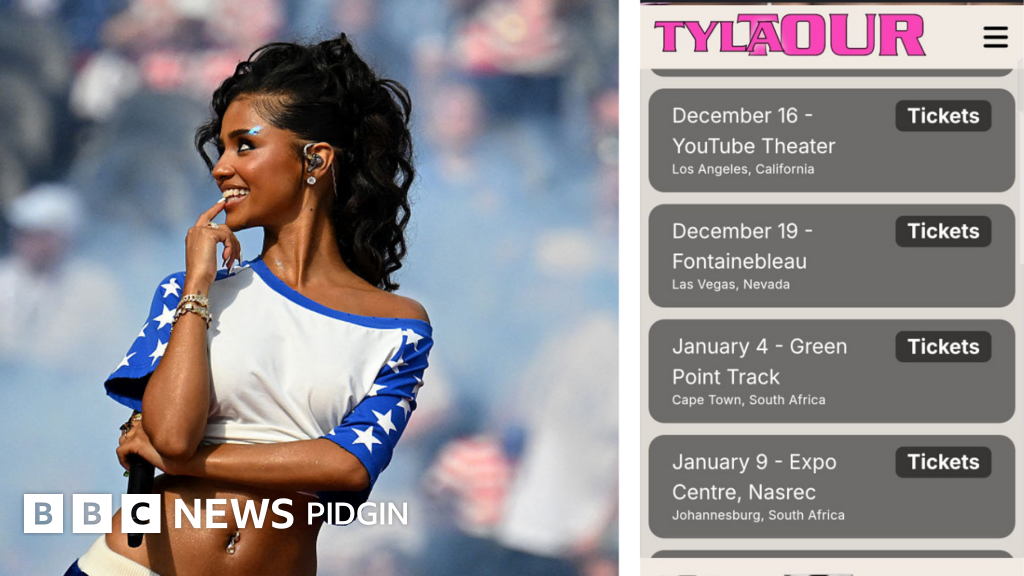
Grammy-Winning Star Tyla Cancels Lagos Concert Amid South Africa’s Xenophobic Backlash
In a significant shift from her planned promotional tour for her highly anticipated album APop, Grammy-winning Nigerian artist Tyla has cancelled her December 22 Lagos concert—a decision that has sparked widespread debate across Africa. The cancellation follows intensifying anti-immigration protests in South Africa, which have escalated into violent attacks against foreign nationals, particularly Nigerians. Critics argue that Tyla’s decision to proceed with the show would have been tonedeaf, given the current climate of xenophobia, while supporters contend that artists should not be held accountable for systemic failures.
The Backlash and Public Outcry
Tyla’s original tour schedule, announced on July 24 alongside the release of APop, included three African dates, with Lagos being the centerpiece. The artist had previously performed impromptu sets in Nigeria during Detty December 2024, a popular music festival, and had promised a full-scale headline show for the country. However, no venue had been confirmed for the December date, raising questions about logistical challenges.
The cancellation has ignited a social media storm, with many calling for a boycott of the concert had it gone ahead. Do2dtun, a prominent media personality, criticized Tyla on X (formerly Twitter), stating:
“This is the audacity of it all. People are allowed to live freely, but if you refuse to acknowledge the room and the issues at hand, you become part of the problem.”
Similarly, Solomon Buchi, a social commentator, urged Nigerians to reject the show entirely, arguing:
“Tyla’s December show in Nigeria must not happen—especially after the xenophobic attacks against South African immigrants. We don’t need performative activism; we need real action.”
The controversy extends beyond Tyla, as Ayra Starr’s 2024 Cape Town concert—scheduled before the visa controversies—was also delayed due to South African immigration policies, further fueling frustration among Nigerian artists and fans.
A Pattern of Cancelled Tours and Diplomatic Tensions
Tyla’s decision is not an isolated incident. In 2019, Burna Boy publicly cancelled his South African tour after xenophobic attacks left dozens of migrants dead. The Nigerian superstar later returned in November 2019 for the African Unite Concert, where he donated proceeds to victims of the violence. However, tensions persisted, with Wizkid, Yemi Alade, and Ycee also expressing solidarity with Burna Boy’s stance.
The South African government has acknowledged the boycott trend, with Minister of Justice Mmamoloko Kubayi revealing that multiple artists have cancelled or postponed shows across Africa due to the escalating xenophobic climate. The minister’s remarks echo global sentiment, as African fans have publicly distanced themselves from South Africa during events like the 2026 FIFA World Cup, where Nigerian and other African supporters have openly boycotted matches involving Bafana Bafana (South Africa’s national team).
Tyla’s Stance and Collaborations with Nigerian Artists
Despite the controversy, Tyla has maintained strong ties with Nigerian artists, reflecting her pan-African musical identity. Her collaborations include:
– Ayra Starr – Featured on Tyla’s Girl Next Door (2023) and DJ SPINALL & OMAHLAY’s One Call (2024).
– Tems – Featured on Tyla’s debut album Tyla + (2024) for the track No. 1.
– Wizkid – Collaborated on Dynamite (2025), a song recorded in 2022 but released later.
Additionally, Tyla has been a vocal advocate for Afrobeats recognition, alongside Wizkid and Burna Boy, pushing for the global music industry to expand beyond the “Afrobeats” label. Her two Grammy wins—for Water (2024) and Push 2 Start (2026)—further cement her influence in the genre.
Political and Economic Implications
Former Nigerian presidential candidate Omoyele Sowore defended Tyla’s decision, arguing that artists should not be blamed for systemic failures:
“Nigerians should direct their anger toward real enemies—criminal leaders like Bola Tinubu and irresponsible South African officials like Cyril Ramaphosa. Tyla’s Lagos concert should proceed.”
However, others argue that artists have a responsibility to navigate political climates carefully. The cancelled tour raises questions about Nigeria-South Africa relations, which have deteriorated due to trade disputes, visa restrictions, and xenophobic violence.
The Broader Impact on African Music Tourism
The boycott trend extends beyond concerts, affecting tourism, business, and cultural exchanges. With South Africa facing increasing isolation, African artists and fans are re-evaluating their engagement with the country. The 2026 World Cup boycott and cancelled music tours signal a shifting dynamic in continental solidarity.
As the debate continues, Tyla’s Lagos cancellation serves as a microcosm of Africa’s growing resistance to xenophobia—and a test case for how artists navigate political storms.
Tyla at a past performance, highlighting her global influence in Afrobeats.

South African anti-immigration protests in 2024, reflecting the escalating tensions.

Burna Boy’s 2019 protest against xenophobia, setting a precedent for artist activism.

Wizkid, Yemi Alade, and Ycee among other Nigerian stars who have spoken out against South Africa’s policies.

Tyla’s Grammy wins, underscoring her global recognition.

Collaborative projects between Tyla and Nigerian artists like Ayra Starr and Tems.

South African Minister of Justice Mmamoloko Kubayi addressing the impact of xenophobia on tourism.

African fans during the 2026 World Cup, showing growing boycott movements.

Detty December 2024, where Tyla performed impromptu sets before her planned Lagos concert.
