
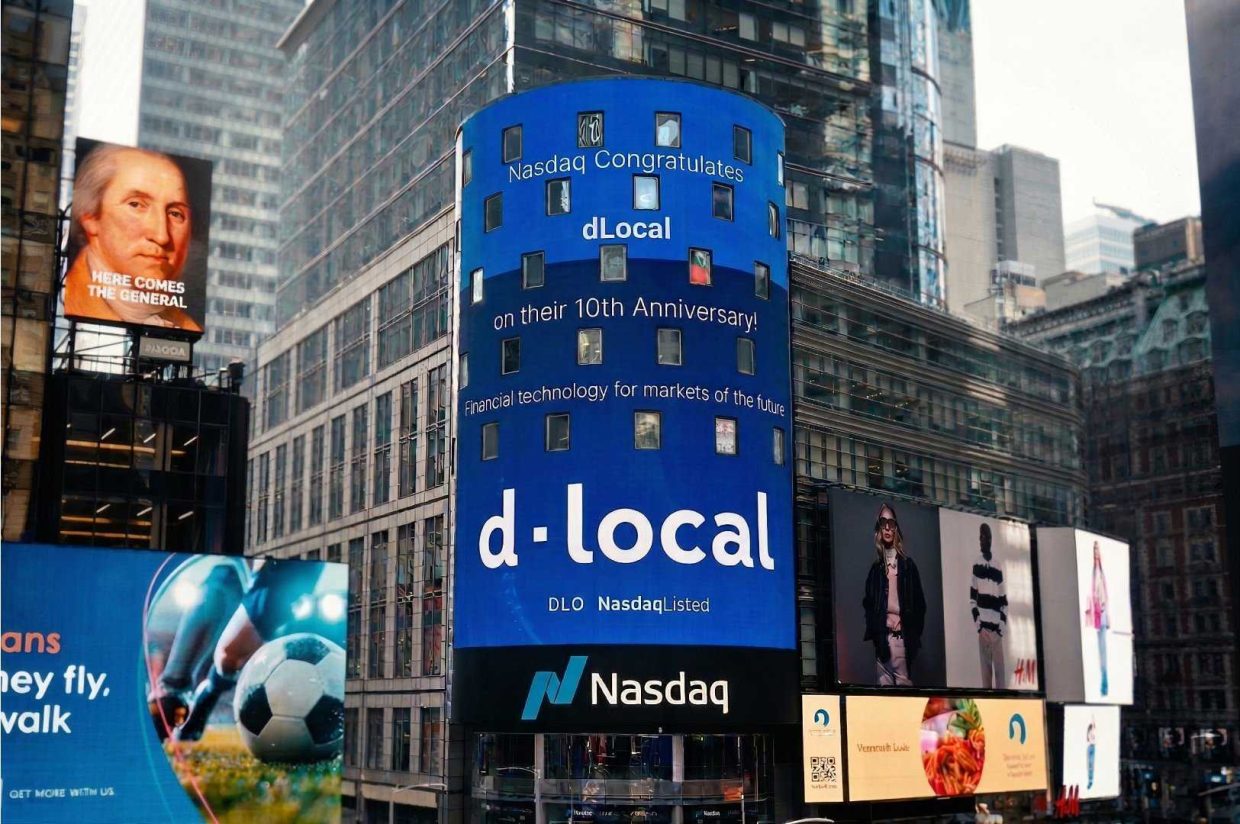
dLocal’s $23.7m AZA Finance pivot: Why African fintech deals are harder than they look
When the dust settled on dLocal’s long-awaited attempt to acquire AZA Finance, the global payments giant wasn’t walking away with a company-just a $23.7 million pile of assets. The transaction, which began as a bold play to expand dLocal’s footprint across Africa’s fragmented financial infrastructure, ended not with a merger or acquisition, but with a strategic retreat. The story isn’t just about money lost or deals gone wrong; it’s a case study in why Africa’s fintech sector remains one of the most challenging markets for foreign investors, no matter how deep their pockets.
For years, dLocal had positioned itself as a bridge between African businesses and global commerce. With operations spanning 30 African countries and partnerships with major players like Flutterwave and PayPal, the company seemed perfectly positioned to absorb AZA Finance’s cross-border payment capabilities. But the reality of African fintech is far messier than the spreadsheets suggested. Licensing requirements, regulatory approvals, and the delicate art of navigating local partnerships turned what should have been a straightforward deal into a years-long saga-one that ultimately cost dLocal far more than just the price tag.
From acquisition to asset fire sale: How the deal unraveled
The original plan was simple: dLocal would acquire AZA Finance, gaining instant access to its licenses, customer base, and deep-rooted presence in key markets like Nigeria, Kenya, and South Africa. But Africa’s regulatory landscape has a way of complicating even the most meticulously planned transactions. Months turned into years as dLocal waited for approvals that never came-or came with conditions that made the deal untenable. By the time the company pulled the plug, the acquisition had ballooned from a strategic move into a financial black hole.
What emerged wasn’t a full-scale acquisition, but a stripped-down asset purchase. dLocal walked away with AZA Finance’s technology stack, customer contracts, and a handful of licenses-but none of the operational infrastructure that made the company valuable in the first place. The $23.7 million price tag wasn’t for a business; it was for a skeleton crew of assets, a reminder that in African fintech, you don’t just buy a company-you buy into a labyrinth of bureaucracy.
The cost of failure: What dLocal’s retreat means for African fintech
The $23.7 million dLocal spent on AZA Finance’s assets wasn’t just a financial loss-it was a strategic misstep that could have ripple effects across the continent. For other foreign firms eyeing Africa’s fintech sector, the message is clear: this isn’t a market you can conquer with capital alone. You need patience, local expertise, and a willingness to play by rules that are often written in real time.
But the failure also highlights an opportunity. Africa’s fintech sector is still in its infancy, and the gaps left by global players like dLocal are wide open for local innovators. Companies that understand the nuances of African markets-those that have built relationships with regulators, banks, and businesses-are the ones poised to fill the void. For them, dLocal’s retreat isn’t a setback; it’s an invitation to step up and claim the space that global giants can’t-or won’t-occupy.
- Regulatory hurdles: Licensing delays and opaque approval processes make it nearly impossible for foreign firms to operate without deep local partnerships.
- Cultural barriers: Fintech success in Africa requires more than technology-it demands trust, adaptability, and a willingness to engage with local customs.
- Opportunity for locals: The retreat of global players like dLocal leaves room for African fintech firms to step into the breach, leveraging their local expertise.
The bigger picture: Why Africa’s fintech puzzle remains unsolved
dLocal’s failed acquisition of AZA Finance isn’t an isolated incident-it’s a symptom of a larger problem. Africa’s fintech sector is growing faster than its regulatory frameworks can keep up, leaving foreign investors in a state of constant uncertainty. The continent’s financial infrastructure is fragmented, with each country operating under its own rules, its own licensing regimes, and its own cultural expectations. For global firms used to operating in more streamlined markets, this is a nightmare.
Yet, for all its challenges, Africa’s fintech sector is also one of the most exciting in the world. The demand for digital payments is exploding, driven by a young, tech-savvy population and a growing middle class. The problem isn’t the market-it’s the infrastructure. And until that infrastructure becomes more predictable, more transparent, and more open to foreign investment, deals like dLocal’s will continue to collapse under the weight of their own ambition.
What’s next for African fintech-and for dLocal?
For dLocal, the question now is whether the company will double down on its existing strategy or pivot entirely. The company has already built a strong presence in Africa, but its reliance on local partnerships means it will always be at the mercy of regulators and cultural shifts. For other global players, the lesson is clear: Africa isn’t a market you can conquer with a single acquisition. It’s a continent that demands long-term commitment, deep local knowledge, and a willingness to adapt.
As for Africa’s fintech sector, the future is bright-but only for those who understand the game. The continent’s financial infrastructure is still in its early stages, and the gaps left by global players are vast. For local firms, this is a chance to innovate, to build, and to claim a stake in a market that is rapidly becoming the next frontier of digital finance. The question isn’t whether Africa’s fintech sector will grow-it’s who will lead the charge.
One thing is certain: dLocal’s retreat from AZA Finance won’t be the last failed attempt to crack Africa’s fintech puzzle. But it might be the one that finally forces the industry to confront the reality of operating in a market where the rules are still being written.
Copyright notice: Images and source material are credited to their respective owners/original sources where available. If you are the copyright owner and want an image or content removed, please contact us at topix.news/contact-us; we will review and remove it promptly.

Topix News Desk is a digital editorial team focused on delivering clear, timely, and useful news coverage for readers worldwide. Our reporting highlights African news with global context, including politics, business, economy, technology, health, sports, entertainment, travel, and culture. We aim to publish accessible, well-structured, and informative articles that help readers understand the stories shaping Africa and the world.