
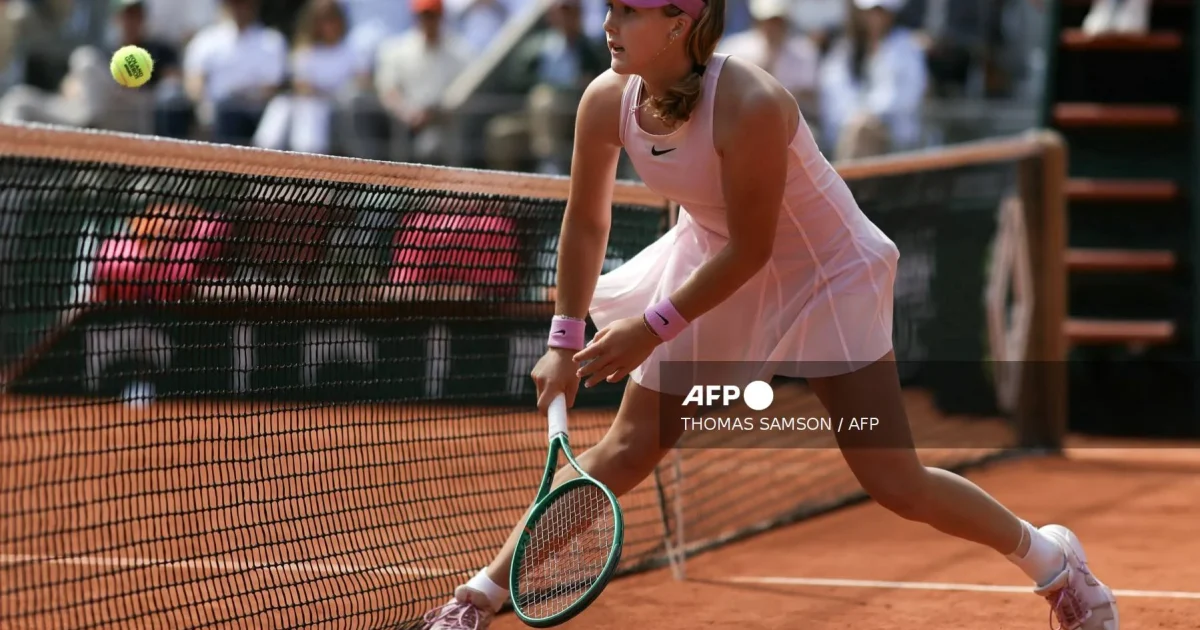
The French Open’s red clay courts have always demanded more than just skill—they demand a player’s soul. On a sweltering afternoon in Paris, a 17-year-old Russian shattered expectations, rewriting the record books and sending shockwaves through the tennis world. Mirra Andreeva didn’t just win her first Grand Slam title; she announced herself as the sport’s next dominant force in a performance that left spectators breathless and rivals scrambling for answers.
The making of a champion: From Moscow to Roland Garros
Born in the Russian capital in 2009, Andreeva’s journey to tennis immortality reads like a modern-day fairy tale. Unlike many prodigies who burn out before their 20th birthday, she has spent years refining her game in the shadows of Moscow’s tennis academies, developing a playing style that blends the precision of her Russian mentors with the aggressive flair of her Western counterparts. Her breakthrough at this year’s French Open wasn’t an overnight sensation—it was the culmination of a decade-long apprenticeship.
What makes Andreeva’s victory particularly remarkable is the sheer dominance she displayed. In the final, she dismantled her opponent with a display of power and control that belied her age. Her groundstrokes, particularly her forehand, struck the ball with such authority that even seasoned commentators struggled to find comparable players in recent memory. The statistics tell their own story: 65 winners, just 12 unforced errors, and a service game that opponents couldn’t crack.
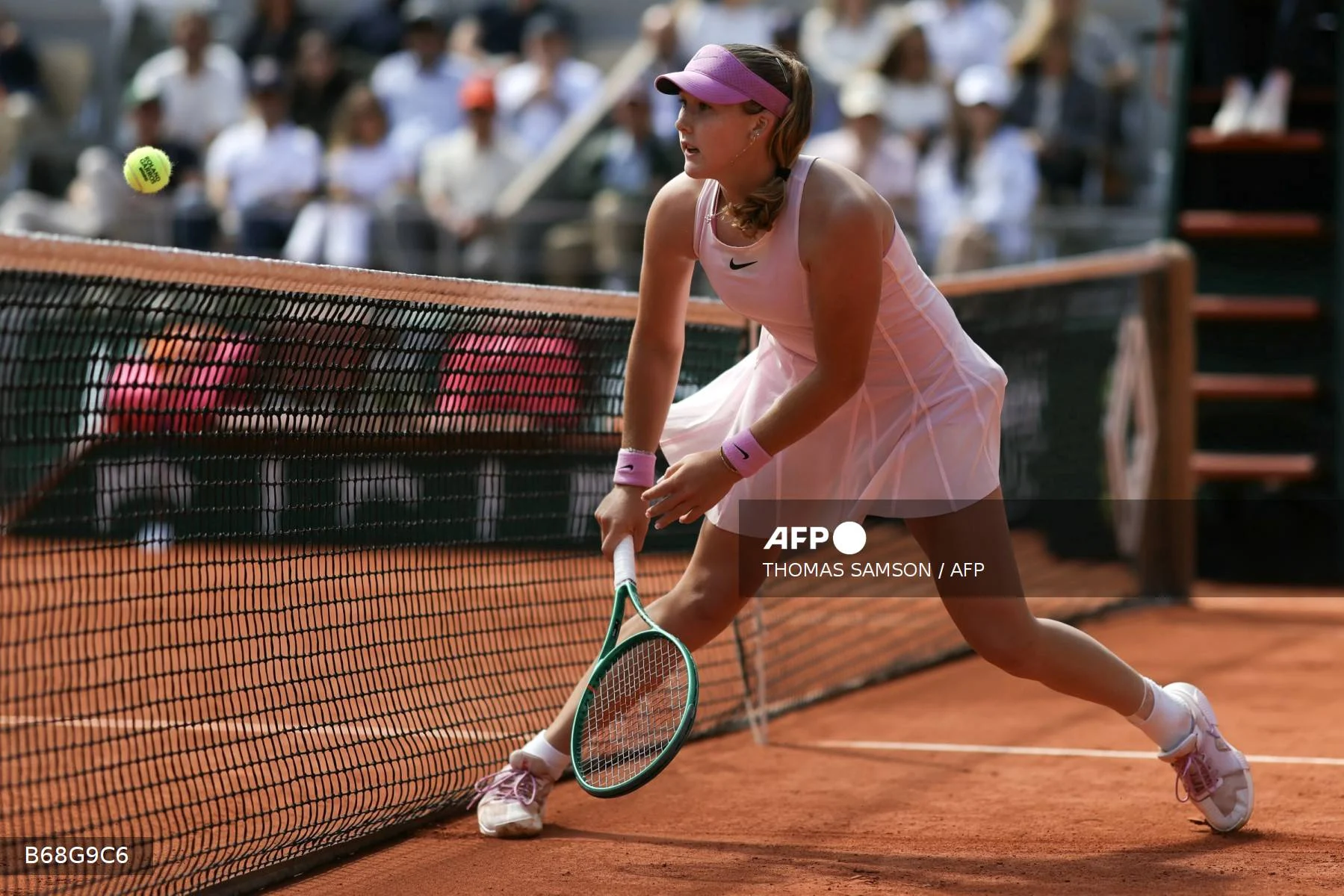
Her path to the title wasn’t without drama. The semifinal against the tournament’s defending champion required Andreeva to save two match points in the third set, a moment that will undoubtedly shape her future mental approach to high-pressure situations. That resilience, combined with her technical brilliance, suggests she possesses the rare combination of physical talent and psychological fortitude that separates champions from contenders.
How Andreeva’s victory reshapes women’s tennis
The tennis world has been waiting for a new star to emerge from the post-Serena, post-Williams era. While Iga Świątek and Coco Gauff have dominated recent years, Andreeva’s arrival signals a potential power shift in women’s tennis. At 17, she becomes the youngest French Open champion since 2005, joining an elite list that includes Justine Henin and Maria Sharapova—players who redefined the sport in their youth.
Her playing style presents a unique challenge to the current generation. Unlike the baseline grinders who have dominated recent years, Andreeva combines blistering pace with tactical intelligence. Her ability to hit winners from both wings while maintaining remarkable consistency suggests she may force opponents to rethink their entire approach to the game. Early reactions from fellow professionals have been telling: several top players have already admitted they’re studying her matches closely, a sure sign that her game will shape training regimens for years to come.
For African tennis fans, Andreeva’s victory carries particular significance. While the continent has produced world-class players like South Africa’s Kevin Anderson and Nigeria’s own Quadri Aruna in men’s tennis, women’s tennis on the continent has struggled to find consistent success at the highest levels. Andreeva’s triumph may inspire a new generation of young girls across Africa to pick up a racket, knowing that the path to global dominance begins with the same clay courts that have tested champions for generations.

The business of tennis: What Andreeva’s win means for the sport’s economics
Beyond the on-court implications, Andreeva’s victory arrives at a crucial moment for professional tennis. The women’s game has faced increasing scrutiny over prize money disparities, scheduling conflicts with men’s tournaments, and the growing influence of private equity in the sport. Her emergence couldn’t have come at a better time for the Women’s Tennis Association (WTA), which has been working to rebrand itself as a more commercially viable product.
Already, sponsorship conversations have begun in earnest. Major brands that have traditionally focused on established stars are reportedly in talks with Andreeva’s camp, seeing in her the perfect combination of marketability, youth, and global appeal. Her Russian heritage, while potentially complicating matters given current geopolitical tensions, also provides a unique narrative that could resonate in both Eastern and Western markets.
The financial implications extend beyond endorsements. Tennis academies worldwide are expected to see a surge in applications from young players seeking to replicate Andreeva’s training methods. Her success may also accelerate investments in clay court facilities across Africa and other developing regions, potentially broadening the sport’s talent pool at the grassroots level.

Challenges ahead: The road to sustained dominance
Of course, the path from prodigy to legend is never straightforward. Andreeva’s next challenge will be maintaining her form through the hard court season, where her game style may need significant adjustments. The transition from clay to hard courts often exposes weaknesses in young players’ games, particularly in their movement and endurance.

Her mental approach will also face its first major test. The pressure of defending a Grand Slam title can be overwhelming, especially for someone so young. The media scrutiny, fan expectations, and the inevitable comparisons to past champions will all demand a level of maturity that few teenagers possess. How she handles this transition could determine whether her career follows the trajectory of past teenage champions who faded after their initial breakthrough or those who went on to define an era.

There are also practical considerations. The Russian Tennis Federation has faced significant challenges in recent years due to international sanctions and the exclusion of Russian players from certain tournaments. While Andreeva’s success may help normalize her participation on the global stage, the political complexities of her nationality could complicate her ability to compete freely in certain regions.
Africa’s tennis future: Can Andreeva’s rise inspire change?
While Andreeva’s victory is a Russian triumph, its ripple effects could be felt most strongly across Africa. The continent has long been a hotbed for athletic talent, but tennis has struggled to capture the same imagination as football, athletics, or rugby. The reasons are complex: limited infrastructure, financial barriers to participation, and a lack of visible role models have all contributed to the sport’s lower profile.
However, Andreeva’s success provides a powerful narrative that African sports administrators would be wise to leverage. Imagine the impact if African tennis federations could create a development pathway inspired by her journey—a system that identifies raw talent at a young age, provides world-class coaching, and nurtures mental resilience alongside technical skill. The French Open victory proves that with the right support, African players could compete at the highest levels.
Several initiatives are already underway. The African Tennis Confederation has been working to expand grassroots programs, particularly in countries like Egypt, Nigeria, and Kenya, where tennis infrastructure is growing. Andreeva’s win could provide the catalyst needed to secure additional funding and partnerships for these programs. Already, there are reports of increased interest in tennis academies across the continent, with parents enrolling their children in hopes of discovering the next African champion.
The psychological impact cannot be overstated. For decades, African athletes have proven that they can compete with—and often surpass—the best in the world. From Haile Gebrselassie’s dominance in long-distance running to Asisat Oshoala’s exploits on the football pitch, African sportsmen and women have consistently rewritten what’s possible. Tennis needs its own Gebrselassie or Oshoala—a figure who can inspire a generation to pick up a racket instead of a football.
What’s next for Mirra Andreeva?
As the celebrations in Paris begin to fade, the tennis world is already looking ahead to Andreeva’s next moves. The hard court swing presents her first major test, followed by the US Open in late August. If she can maintain her form, she may enter the final Grand Slam of the year as the favorite—a daunting prospect for her rivals.
The Olympic Games in Los Angeles in 2028 loom large on the horizon. At just 21, Andreeva would be in her prime, presenting her with an opportunity to add an Olympic gold medal to her collection. Such an achievement would cement her legacy as one of the sport’s all-time greats, joining the likes of Serena Williams and Steffi Graf in the pantheon of champions who dominated multiple decades.
For now, though, the focus remains on the present. Andreeva’s French Open victory is more than just a personal triumph—it’s a statement to the world that the next era of tennis has arrived. Whether she can sustain this level of performance will determine not just her legacy, but the future direction of women’s tennis itself. One thing is certain: the game will never be the same again.
Copyright notice: Images and source material are credited to their respective owners/source (original source where available). If you are the copyright owner and want an image or content removed, please contact us at topix.news/contact-us; we will review and remove it promptly.

Topix News Desk is a digital editorial team focused on delivering clear, timely, and useful news coverage for readers worldwide. Our reporting highlights African news with global context, including politics, business, economy, technology, health, sports, entertainment, travel, and culture. We aim to publish accessible, well-structured, and informative articles that help readers understand the stories shaping Africa and the world.