

The Nigerian music industry has long been celebrated as a powerhouse of creativity, churning out hits that dominate African airwaves and global streaming platforms alike. Yet beneath the glittering surface of sold-out concerts and chart-topping singles lies a darker truth—one that rapper Blaqbonez has dared to expose. Speaking candidly about the industry’s underbelly, the self-proclaimed “Chanel” crooner has sparked a conversation that resonates far beyond Lagos’s bustling streets, pulling back the curtain on the cutthroat dynamics that leave even the most talented artists gasping for air.
The Illusion of Brotherhood in Afrobeats
What began as a movement rooted in unity and shared struggle has, in many ways, become a battleground where egos clash and loyalty is a currency as volatile as the Naira. Blaqbonez, whose real name is Emeka Akumefule, isn’t just another voice in the chorus of discontent; he’s a high-profile artist who has watched the industry’s toxicity firsthand. “It’s wicked out here,” he declared recently, his words striking a chord with musicians who have felt the sting of backstabbing, false promises, and outright sabotage. The irony? Many of these same artists who rise to fame on the backs of others will, in turn, turn their backs when the spotlight shifts.
Take the case of a mid-tier act that, upon releasing a new single, expects immediate support from peers. Blaqbonez admits he’s been that artist—posting tracks, sharing stages, and amplifying others’ work—only to be met with radio silence when the tables turned. “You push their music, you celebrate their wins, and what do you get in return? A cold shoulder or worse—your own success used as a stepping stone for someone else’s agenda,” he shared in an exclusive interview. The pattern isn’t unique to Nigeria; it’s a disease that has infected music scenes across the continent, from Accra’s burgeoning drill scene to Nairobi’s booming Gengetone movement.
When the Industry Eats Its Own
The music industry’s predatory nature isn’t just about personal betrayals; it’s structural. Record labels, once seen as sanctuaries for artists, now operate like corporate vultures, signing talent on exploitative contracts before discarding them when the next big thing comes along. Streaming platforms, while democratizing access to global audiences, have also turned music into a numbers game where only the most marketable survive. And then there’s the issue of payola—allegations of bribes to radio DJs and playlist curators that distort the playing field, ensuring that only those with deep pockets or influential connections get airtime.
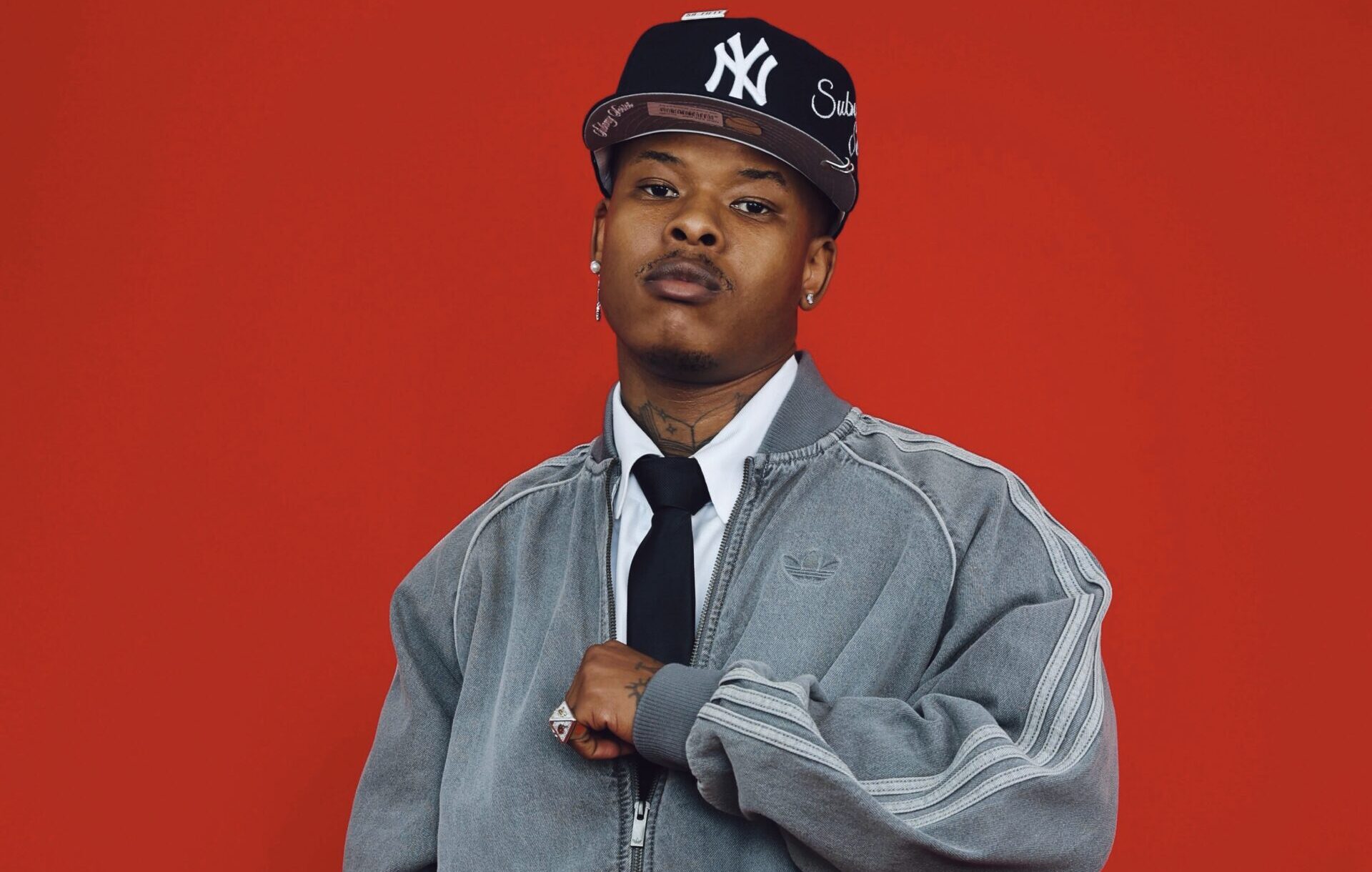
Blaqbonez’s frustration isn’t isolated. Earlier this year, South African rapper Nasty C took to social media to call out what he described as a “toxic ecosystem” where artists are pitted against each other in a zero-sum game. “We’re not just competing for streams; we’re fighting to be seen as human beings in an industry that treats us like products,” Nasty C said in a viral post. His words echo the sentiments of many who feel the African music scene has become a jungle where only the ruthless thrive. The rise of social media has only amplified the pressure, turning every like, share, and comment into a barometer of worth—and a potential weapon in the hands of rivals.
The Weight of Expectations on Africa’s Rising Stars
For young artists in Nigeria, Ghana, Kenya, and beyond, the dream of making it big is often accompanied by a crushing weight of expectation. Families invest their life savings into studio sessions. Managers take out loans to fund tours. Fans pin their hopes on every new release, believing each song could be the one that changes their lives. But when the industry fails to deliver on its promises, the fallout is devastating. Burnout, mental health crises, and financial ruin are all too common.
Blaqbonez’s own journey hasn’t been without its challenges. From the early days of hustling on the streets of Abuja to the global recognition he enjoys today, he’s seen the industry’s highs and lows. Yet his recent outspokenness suggests a breaking point—a refusal to normalize the exploitation that has become synonymous with African entertainment. “We talk about ‘Afrobeats’ like it’s a monolith, but the truth is, it’s a fractured landscape where only a handful of artists get to taste real success,” he noted. His critique extends to the lack of infrastructure supporting artists beyond the initial hype. Studios, producers, and songwriters—many of whom are the unsung heroes behind the hits—often work in obscurity, their contributions overshadowed by the stars who front the projects.
This systemic neglect isn’t just an African problem; it’s a global one. In the U.S., artists like Taylor Swift have fought against the industry’s exploitative practices, while in the U.K., grime pioneers have spoken out about the racism and gatekeeping that stifles talent. But in Africa, where the music industry is still finding its footing, the stakes are even higher. With the continent’s youth population booming and digital platforms making it easier than ever to reach global audiences, the potential for growth is immense—but so is the risk of repeating the same mistakes.
Can the African Music Industry Break Free from Its Toxic Cycle?
The question now is whether Africa’s music industry can evolve before it collapses under the weight of its own contradictions. Some believe the answer lies in collective action. Artists like Burna Boy and Wizkid have used their platforms to advocate for better treatment of musicians, while organizations like the Copyright Society of Nigeria (COSON) have pushed for reforms in royalty distribution and contract transparency.
Others argue that the solution starts with the fans. Social media, once a tool for manipulation, can also be a force for accountability. When artists like Blaqbonez and Nasty C speak out, their followers listen—and that pressure can force change. “We need to stop treating artists like ATM machines,” said one music journalist based in Johannesburg. “If we want the industry to thrive, we have to value the people who make it what it is.”
There are glimmers of hope. In Ghana, the government has begun investing in music infrastructure, while in Nigeria, initiatives like the “Music in the Classroom” program aim to nurture the next generation of talent. But these efforts are still in their infancy. For real transformation to occur, the industry’s gatekeepers—labels, streaming platforms, and even fellow artists—must confront the toxic behaviors that have become ingrained in its culture.
The Road Ahead: Unity or Extinction?
Blaqbonez’s recent remarks have reignited a long-overdue conversation about the future of African music. Is the industry doomed to repeat the same cycles of exploitation and betrayal? Or can it finally break free and build something sustainable? The answer may lie in the hands of the artists themselves.
Already, there are signs of a shift. A growing number of musicians are opting for independent routes, bypassing traditional labels to retain creative control and financial independence. Others are forming collectives to pool resources and support each other, creating a safety net in an industry that often leaves artists to fend for themselves. “We’re stronger together,” said a Lagos-based producer who requested anonymity. “If we keep tearing each other down, we’ll never reach our full potential.”
The stakes couldn’t be higher. Africa’s music scene is at a crossroads. With streaming revenues soaring and global audiences embracing Afrobeats, the continent has a rare opportunity to redefine what success looks like—not just in terms of chart positions, but in terms of sustainability, fairness, and respect. The question is whether the industry’s leaders will seize this moment or continue down a path that leads only to self-destruction.
One thing is clear: the era of unchecked exploitation cannot last forever. Artists like Blaqbonez are no longer willing to stay silent, and the fans who fuel the industry’s engine are beginning to demand better. The Nigerian music scene—and by extension, the broader African music industry—now faces a choice: reform or risk becoming a cautionary tale. The world is watching. The question is, will Africa’s music leaders listen?
Copyright notice: Images and source material are credited to their respective owners/source (original source where available). If you are the copyright owner and want an image or content removed, please contact us at topix.news/contact-us; we will review and remove it promptly.

Topix News Desk is a digital editorial team focused on delivering clear, timely, and useful news coverage for readers worldwide. Our reporting highlights African news with global context, including politics, business, economy, technology, health, sports, entertainment, travel, and culture. We aim to publish accessible, well-structured, and informative articles that help readers understand the stories shaping Africa and the world.