

Health authorities in the Democratic Republic of Congo are racing against time as a fresh Ebola outbreak threatens to spiral out of control just two weeks after the first confirmed cases emerged. The resurgence of the deadly haemorrhagic fever, which has already claimed multiple lives in a densely populated region, presents a complex set of obstacles that experts say could severely hinder containment efforts. As international health organizations mobilize resources, the crisis highlights the persistent vulnerabilities in Africa’s preparedest to respond to infectious disease outbreaks.
The latest outbreak, detected in a province already scarred by decades of conflict and displacement, underscores the enduring challenge of combating Ebola in regions where health systems remain fragile. Unlike previous flare-ups, this one has emerged in an area with limited access to medical care, raising concerns about the speed and effectiveness of the response. With the virus’s rapid spread already evident, the question on many minds is whether the international community can mount a coordinated effort before the situation deteriorates further.
Remote Terrain and Poor Infrastructure Complicate Response
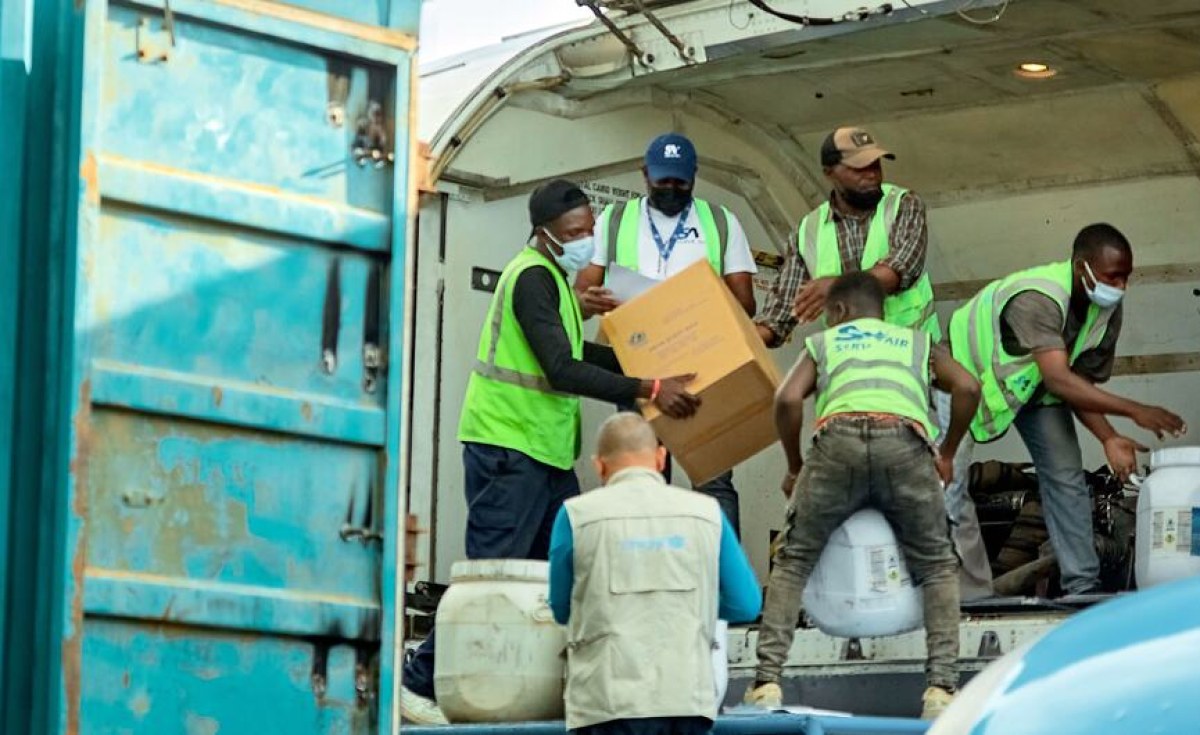
One of the most immediate hurdles facing health workers is the geographical isolation of the affected areas. The outbreak is centered in a region characterized by dense rainforests, rugged terrain, and a lack of reliable transportation networks. Roads that should serve as lifelines for medical supplies and personnel are often impassable during the rainy season, forcing teams to rely on airlifts or arduous overland journeys that can take days. This logistical nightmare delays the delivery of critical resources, including vaccines, protective gear, and diagnostic tools, leaving communities vulnerable to further transmission.
Compounding the issue is the state of the region’s healthcare infrastructure. Many health facilities in the affected province operate with limited electricity, running water, and basic medical equipment. Some clinics lack even the most rudimentary supplies, such as gloves and disinfectants, let alone the advanced laboratory capabilities needed to identify and track the virus. Without a robust local health system to anchor the response, international aid teams must not only combat the outbreak but also rebuild capacity from the ground up—a process that can take weeks or even months.
Community Distrust and Cultural Practices Fuel Transmission
Public health experts have long recognized that community engagement is the cornerstone of effective outbreak control. Yet in this latest Ebola crisis, deep-seated mistrust of authorities and health workers has emerged as a significant barrier. Rumors and misinformation about the virus and the intentions of response teams have spread rapidly, fueled in part by past experiences of coercive measures during previous outbreaks. Some residents refuse to cooperate with contact tracing efforts or quarantine protocols, while others avoid health facilities altogether, fearing they may be targeted or stigmatized.
Cultural practices, particularly those related to burial rites, also pose a major risk. Traditional mourning ceremonies often involve close contact with the deceased, including washing and touching the body—a practice that can facilitate the transmission of the Ebola virus. Despite efforts to educate communities about safer alternatives, resistance remains strong in some areas, where families view modified burial practices as disrespectful or culturally inappropriate. Health workers are now working with local leaders to bridge this gap, but the process is slow and requires delicate negotiation.
Ongoing Conflict Disrupts Health Services and Displaces Thousands
The Democratic Republic of Congo has been grappling with armed conflict for decades, and the latest Ebola outbreak has flared up in one of the country’s most volatile regions. Armed groups continue to operate in the area, targeting civilians and humanitarian workers alike. The violence has forced thousands of people to flee their homes, creating a humanitarian crisis that further complicates disease control. Displaced populations often settle in overcrowded camps with poor sanitation and limited access to healthcare, creating ideal conditions for the virus to spread.
Health facilities in conflict zones are frequently attacked or looted, leaving them unable to provide even basic care. Medical personnel, already in short supply, are often forced to abandon their posts due to safety concerns, leaving communities without critical services. The presence of armed groups also restricts the movement of health workers and aid organizations, making it difficult to reach isolated villages where the outbreak may be taking hold. Without a ceasefire or improved security, the international response is hamstrung, and the window to contain the virus continues to narrow.
Limited Vaccine Supply and Logistical Challenges
The Ebola vaccine, developed and deployed in recent years, has been a game-changer in the fight against the virus. However, its availability remains a major concern in the Democratic Republic of Congo. The country’s vast size and the remote locations of many affected communities make it logistically challenging to distribute vaccines quickly and equitably. Even when supplies are available, cold chain requirements—keeping vaccines at the correct temperature during transport and storage—can be difficult to maintain in areas with unreliable electricity.
Another issue is the global demand for Ebola vaccines, which has surged in recent years as outbreaks have become more frequent and widespread. While international organizations have pledged additional doses, the sheer scale of the current crisis means that supply may not meet the immediate needs of the affected population. Health authorities are prioritizing high-risk groups, such as healthcare workers and contacts of confirmed cases, but the limited number of doses means that not everyone who needs protection can receive it in time.
- Vaccine Hesitancy: Even when vaccines are available, some communities remain skeptical due to misinformation or past negative experiences with medical interventions. Health workers are now focusing on community education to build trust and encourage vaccination.
- Surveillance Gaps: In remote areas, weak disease surveillance systems mean that new cases may go unreported for days or even weeks, allowing the virus to spread undetected.
- Funding Shortfalls: International donors have committed funds, but the response remains underfunded, leaving critical gaps in surveillance, treatment, and community engagement.
Lessons from Past Outbreaks and the Path Forward
This is not the first time the Democratic Republic of Congo has faced an Ebola outbreak, and each crisis has provided valuable lessons for future responses. Past outbreaks have demonstrated the importance of early detection, rapid response, and community involvement in controlling the spread of the virus. However, the scale and complexity of the current crisis—amplified by conflict, mistrust, and logistical challenges—require a more coordinated and sustained effort than ever before.
International health organizations, including the World Health Organization and Médecins Sans Frontières, are working closely with local authorities to strengthen the response. Efforts are underway to improve surveillance, expand vaccine coverage, and engage communities in culturally sensitive ways. Yet the road to containment is fraught with obstacles, and the coming weeks will be critical in determining whether the outbreak can be brought under control.
The latest Ebola outbreak in the Democratic Republic of Congo serves as a stark reminder of the persistent threats posed by infectious diseases in Africa. It also highlights the need for sustained investment in health systems, conflict resolution, and global cooperation to prevent future crises. As health workers continue their tireless efforts on the ground, the world watches closely, hoping that this time, the lessons of the past will lead to a different outcome.
For now, the focus remains on containing the virus before it spirals further. But with each passing day, the challenges grow more daunting, and the stakes higher. The international community must act swiftly and decisively to support the Democratic Republic of Congo in its fight against Ebola—or risk watching the crisis escalate into yet another humanitarian catastrophe.

Topix News Desk is a digital editorial team focused on delivering clear, timely, and useful news coverage for readers worldwide. Our reporting highlights African news with global context, including politics, business, economy, technology, health, sports, entertainment, travel, and culture. We aim to publish accessible, well-structured, and informative articles that help readers understand the stories shaping Africa and the world.