
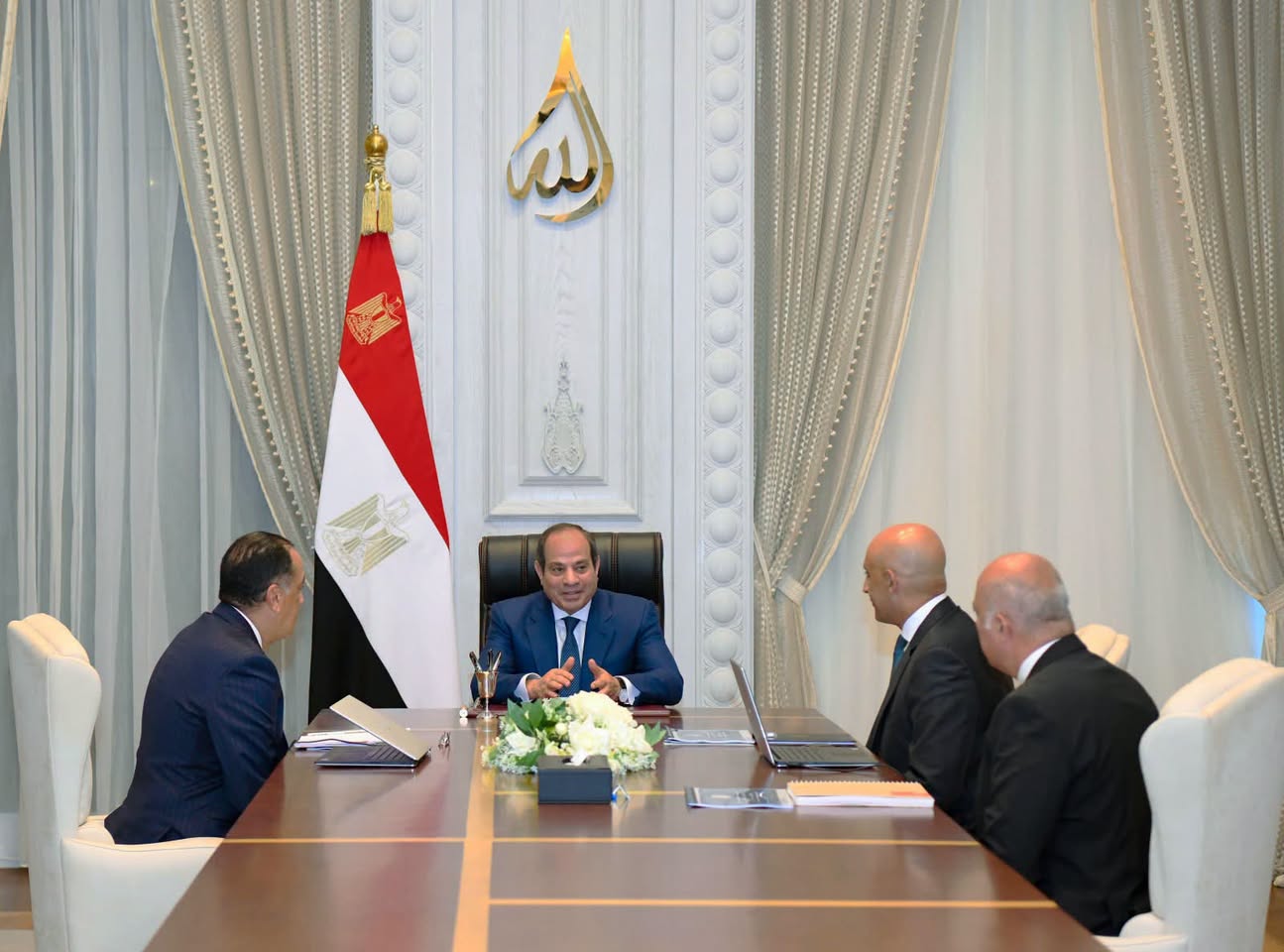
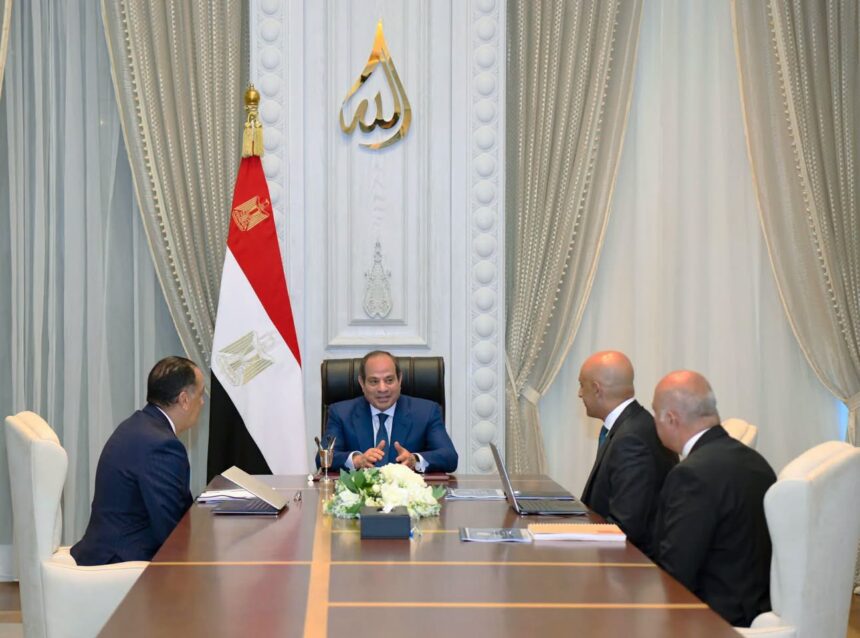
Egypt’s leadership has taken a decisive step toward transforming its education sector by forging deeper international partnerships in technical and pre-university education. During a strategic meeting in the historic coastal city of El Alamein, President Abdel Fattah Al-Sisi reviewed comprehensive plans aimed at modernizing vocational training, refining curricula, and equipping students with globally competitive skills. The discussions, attended by Prime Minister Mostafa Madbouly and Minister of Education and Technical Education Mohamed Abdel Latif, underscored Egypt’s commitment to aligning its education system with global standards while preserving its cultural and academic identity.
A Robust Technical Education Framework
The Egyptian technical education sector currently stands as one of the largest in the region, serving 2.35 million students across 3,213 specialized schools. Minister Abdel Latif highlighted that the number of applied technology schools is set to increase to 225 by the start of the next academic year, a significant expansion facilitated by international collaborations.
One of the most notable initiatives involves a partnership with Italy, which will see the establishment of 100 new applied technology schools across various specializations. These schools will commence operations in the upcoming academic year, reflecting Italy’s long-standing expertise in vocational training. Additionally, Egypt is expanding its cooperation with Germany, with plans to establish 38 Egyptian-German technical schools. Graduates from these institutions will receive dual qualifications, ensuring their credentials are recognized and accredited in Germany—a critical advantage in an increasingly globalized job market.
Aligning with International Standards: The Egyptian Baccalaureate
Beyond technical education, Egypt is also overhauling its pre-university curriculum to introduce the Egyptian Baccalaureate, a program designed to meet international benchmarks while maintaining national educational values. The reform is being conducted in collaboration with the International Baccalaureate Organization (IBO), ensuring that the new system adheres to globally recognized academic standards. This initiative aims to enhance student performance, foster critical thinking, and prepare learners for higher education and professional careers.
Innovation Through Global Partnerships
Egypt’s efforts extend beyond traditional academic frameworks, with a strong emphasis on digital literacy, financial education, and cutting-edge technologies. One of the most groundbreaking collaborations is with Japan’s Hiroshima University, which will introduce several key initiatives:
- TOFAS Assessment: A standardized test in programming and artificial intelligence (AI) will be administered to first-year secondary school students, assessing their foundational skills in tech-driven fields.
- Financial Literacy Curriculum: Second-year secondary students will receive training in financial management, equipping them with essential life skills for economic independence.
- QUREO Digital Platform: First-year technical secondary students will engage in programming and AI education through Japan’s QUREO platform, a state-of-the-art digital learning tool designed to enhance technical proficiency.
These partnerships reflect Egypt’s strategic focus on future-proofing its workforce by integrating emerging technologies into the education system.
Harvard University’s Role in Teacher Training
Recognizing the pivotal role of educators in shaping the next generation, Egypt is collaborating with Harvard University to develop advanced teacher training programs. These initiatives will be delivered at the Egyptian Military Academy, ensuring that educators receive world-class training in pedagogical techniques, curriculum development, and instructional technology. By elevating teacher quality, Egypt aims to create a high-performing education ecosystem that fosters innovation and excellence.
President Al-Sisi’s Vision for Educational Reform
In his remarks, President Al-Sisi emphasized the urgency of continuing reforms within Egypt’s education system. He underscored the need to build on existing achievements, particularly in technical and vocational training, while expanding international cooperation to adopt best practices from leading global institutions.
The president stressed that these reforms are not merely about increasing enrollment numbers but about enhancing educational quality and ensuring that graduates are prepared for the demands of a rapidly evolving labor market. By leveraging partnerships with Italy, Germany, Japan, and the United States, Egypt is positioning itself as a regional leader in modern, adaptive, and globally competitive education.
A Blueprint for Future Growth
The initiatives outlined during the El Alamein meeting represent a multi-faceted approach to educational transformation. From expanding vocational training to modernizing pre-university curricula, Egypt is taking bold steps to ensure its education system remains relevant, inclusive, and aligned with global trends.
As the country continues to implement these strategies, the long-term vision is clear: to produce a skilled, innovative workforce capable of driving economic growth, technological advancement, and international competitiveness.
With these ambitious plans, Egypt is not only strengthening its domestic education infrastructure but also solidifying its role as a knowledge hub in the Middle East and North Africa (MENA) region.