
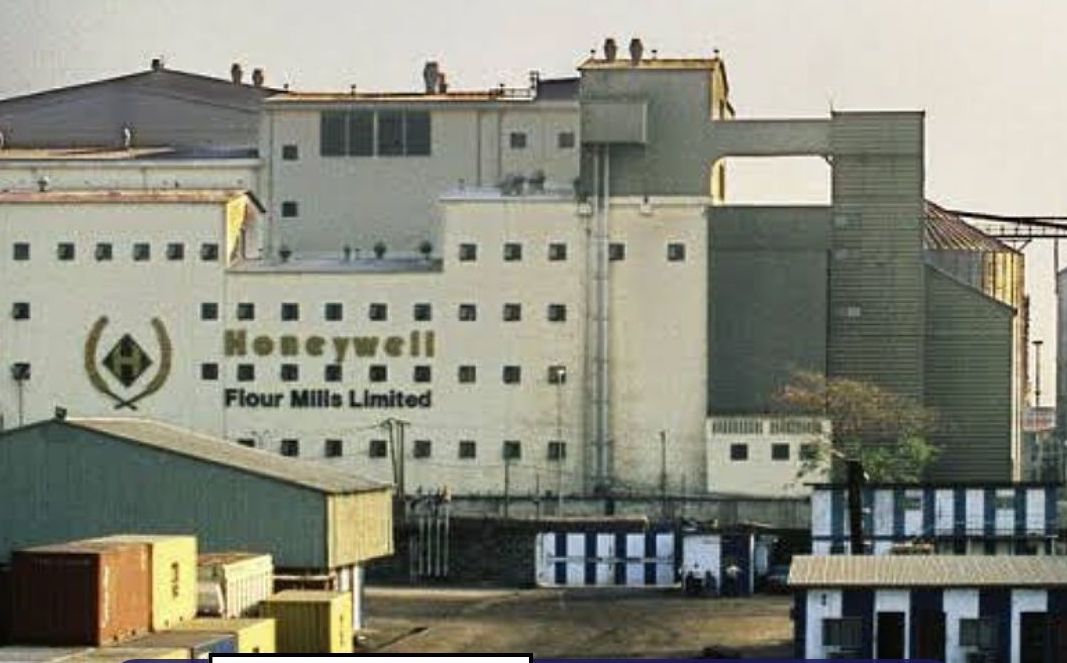
Nigeria’s corporate landscape witnessed an unexpected display of financial resilience this week as Honeywell Flour Mills Plc announced plans to distribute a N1.59 billion dividend to shareholders, even as the company grappled with a significant revenue contraction for the fiscal year ending March 31, 2026.

The dividend proposal, which represents a bold vote of confidence in the company’s operational stability, comes at a time when Nigeria’s broader economic environment remains fraught with volatility. While the news has sent ripples through investor circles, it also raises pressing questions about the sustainability of such payouts in an era of declining consumer purchasing power and rising production costs across Africa’s most populous nation.
How a Flour Giant Navigates Nigeria’s Economic Storm
The N1.59 billion dividend—equivalent to approximately $3.8 million at current exchange rates—marks a striking contrast to the company’s reported revenue decline. For the financial year in question, Honeywell Flour Mills recorded a drop in earnings, a trend that mirrors the challenges faced by many Nigerian manufacturers grappling with inflation, currency devaluation, and supply chain disruptions. Yet, the company’s decision to prioritize shareholder returns over immediate reinvestment underscores a calculated gamble on long-term market positioning.
The food manufacturing sector in Nigeria has long been a barometer of economic health, with flour producers like Honeywell Flour Mills playing a pivotal role in sustaining both industrial output and household food security. The company’s resilience, however, is not without its critics. Industry analysts point to the delicate balance between rewarding investors and ensuring operational agility, particularly as Nigeria’s central bank continues to tighten monetary policy in an effort to curb inflation.
The Dividend Dilemma: Rewarding Shareholders or Betting on the Future?
At the heart of the debate lies a fundamental question: Is Honeywell Flour Mills’ dividend payout a testament to prudent financial management, or does it risk siphoning critical capital from much-needed modernization efforts? The company’s leadership has framed the decision as a reflection of strong cash flow management and confidence in its ability to weather economic headwinds. Yet, the move has sparked discussions among economists about the long-term implications for capital expenditure and innovation within Nigeria’s food production ecosystem.
For shareholders, the dividend is a welcome boost, particularly in a market where alternative investment avenues remain scarce. The Nigerian equities market, despite its potential, has struggled to attract sustained foreign investment amid persistent policy uncertainties. In this context, Honeywell Flour Mills’ payout could serve as a rare bright spot, reinforcing investor trust in Nigeria’s corporate governance structures.
Africa’s Food Sector Faces Unprecedented Pressures
The challenges confronting Honeywell Flour Mills are not unique to Nigeria. Across the continent, food manufacturers are navigating a perfect storm of rising input costs, erratic supply chains, and shifting consumer demand. From the wheat fields of the Sahel to the ports of East Africa, the entire agricultural value chain is under strain, with ripple effects felt in everything from bread prices to household budgets.
In Nigeria, the situation is exacerbated by the country’s heavy reliance on imported wheat—a dependency that has become increasingly unsustainable in the face of global price volatility and foreign exchange shortages. The government’s recent push to boost local wheat production, while commendable, has yet to yield meaningful results, leaving manufacturers like Honeywell Flour Mills in a precarious position. The dividend payout, therefore, may be as much a signal of resilience as it is a reflection of the company’s ability to adapt to these structural challenges.
What the Dividend Means for Nigeria’s Economic Outlook
The announcement has also reignited conversations about Nigeria’s economic trajectory, particularly in the context of the Central Bank of Nigeria’s aggressive interest rate hikes aimed at curbing inflation. While higher interest rates are intended to stabilize the naira and reduce price pressures, they also increase the cost of borrowing for businesses, potentially stifling growth and innovation.
For Honeywell Flour Mills, the dividend payout could be seen as a vote of confidence in the company’s ability to navigate these headwinds. However, it also raises concerns about the broader implications for Nigeria’s industrial sector. If more companies follow suit by prioritizing shareholder returns over reinvestment, the long-term consequences for job creation, technological advancement, and economic diversification could be severe.
The company’s decision also highlights the growing divide between Nigeria’s formal and informal economies. While large corporations like Honeywell Flour Mills have the financial flexibility to weather economic storms, smaller businesses—particularly those in the informal sector—are often left to fend for themselves. This disparity underscores the need for policies that support both corporate resilience and grassroots economic empowerment.
Looking Ahead: Can Nigeria’s Food Sector Break the Cycle?
The road ahead for Honeywell Flour Mills and the broader Nigerian food sector is fraught with uncertainty. While the dividend payout may provide short-term relief for shareholders, the company’s ability to sustain such generosity will depend on its capacity to innovate, diversify, and adapt to an ever-changing economic landscape. Key areas of focus include:
- Local Sourcing: Reducing reliance on imported wheat by investing in domestic production and alternative raw materials.
- Supply Chain Optimization: Leveraging technology to streamline logistics and minimize costs in a high-inflation environment.
- Product Diversification: Expanding into higher-margin segments, such as specialty flours or gluten-free products, to offset declining demand in traditional markets.
- Policy Advocacy: Engaging with policymakers to advocate for tariff adjustments, subsidies, or incentives that support local manufacturing.
For Nigeria’s food sector to thrive, a collaborative approach is essential—one that involves not just corporate leaders, but also government agencies, financial institutions, and civil society. The dividend payout from Honeywell Flour Mills may be a step in the right direction, but it is only one piece of a much larger puzzle.
The coming months will be critical in determining whether the company’s gamble pays off. If successful, it could serve as a model for other Nigerian manufacturers facing similar challenges. If not, it may force a reckoning with the limits of shareholder-first capitalism in an era of economic fragility.
One thing is certain: the story of Honeywell Flour Mills is far from over. As Africa’s largest economy continues to grapple with its most pressing challenges, the resilience—and risks—of its corporate sector will remain under the spotlight.
Copyright notice: Images and source material are credited to their respective owners/source (original source where available). If you are the copyright owner and want an image or content removed, please contact us at topix.news/contact-us; we will review and remove it promptly.

Topix News Desk is a digital editorial team focused on delivering clear, timely, and useful news coverage for readers worldwide. Our reporting highlights African news with global context, including politics, business, economy, technology, health, sports, entertainment, travel, and culture. We aim to publish accessible, well-structured, and informative articles that help readers understand the stories shaping Africa and the world.