
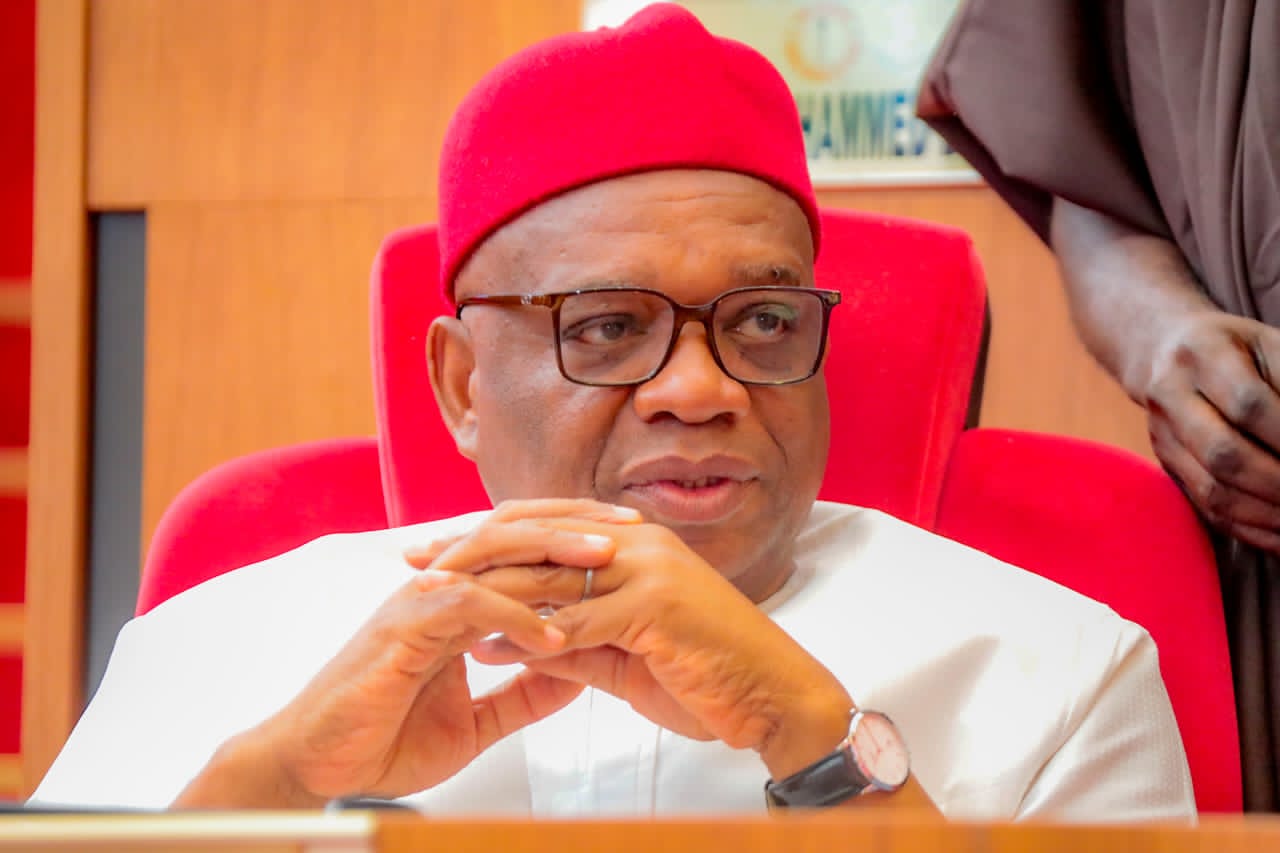
The sudden departure of Assistant Inspector-General of Police Kanayo Uzuegbu has sent shockwaves through Nigeria’s corridors of power, leaving behind a legacy of uncompromising commitment to duty. In a poignant tribute, former Abia State Governor and current Senator representing Abia North, Dr. Orji Uzor Kalu, described the late AIG as a “beacon of discipline” whose work ethic set a standard for generations of officers to follow.
Uzuegbu’s passing on [DATE] at the age of [AGE]—following a brief illness—has not only robbed Nigeria’s security apparatus of a seasoned leader but has also left a void that will be difficult to fill. His tenure as the AIG overseeing Zone 9 Headquarters in Umuahia was marked by a relentless pursuit of excellence, earning him widespread respect across the police force and among civilians alike.
From Abia’s Political Stage to National Security: Kalu’s Connection to Uzuegbu
Dr. Kalu’s emotional eulogy reflects a relationship that transcended professional boundaries. As a former governor who navigated the complex terrain of Nigerian politics, Kalu understood the pressures of leadership—and the toll it takes on those who serve with integrity. “AIG Uzuegbu was not just a colleague; he was a brother in arms,” Kalu remarked, his voice heavy with emotion. “His dedication was not performative; it was woven into the fabric of his character.”
The two men’s paths had crossed repeatedly in matters of state security, particularly during Kalu’s time as governor when Uzuegbu held key positions in the police hierarchy. Their collaboration was rooted in mutual respect, a rare dynamic in Nigeria’s often fractious political landscape. Kalu’s tribute underscored how Uzuegbu’s leadership style—marked by transparency and accountability—stood in stark contrast to the corruption scandals that have plagued other security agencies.
The Police Force Loses a Titan: What Uzuegbu’s Death Means for Nigeria
The loss of AIG Uzuegbu comes at a critical juncture for Nigeria’s security sector, which has faced mounting challenges in recent years. From banditry in the Northwest to separatist agitations in the Southeast and the persistent threat of Boko Haram in the Northeast, the nation’s stability hinges on the competence of its security apparatus. Uzuegbu’s death removes a steady hand at a time when Nigeria can ill afford leadership vacuums.
Colleagues describe him as a “quiet reformer,” a leader who worked behind the scenes to modernize police operations without seeking the spotlight. His approach was methodical: training, community engagement, and strategic deployments took precedence over headline-grabbing crackdowns. This philosophy earned him both admiration and criticism—some accused him of being too measured, while others praised his refusal to bow to political pressure.
A Nation Mourns: Reactions from Political and Security Leaders
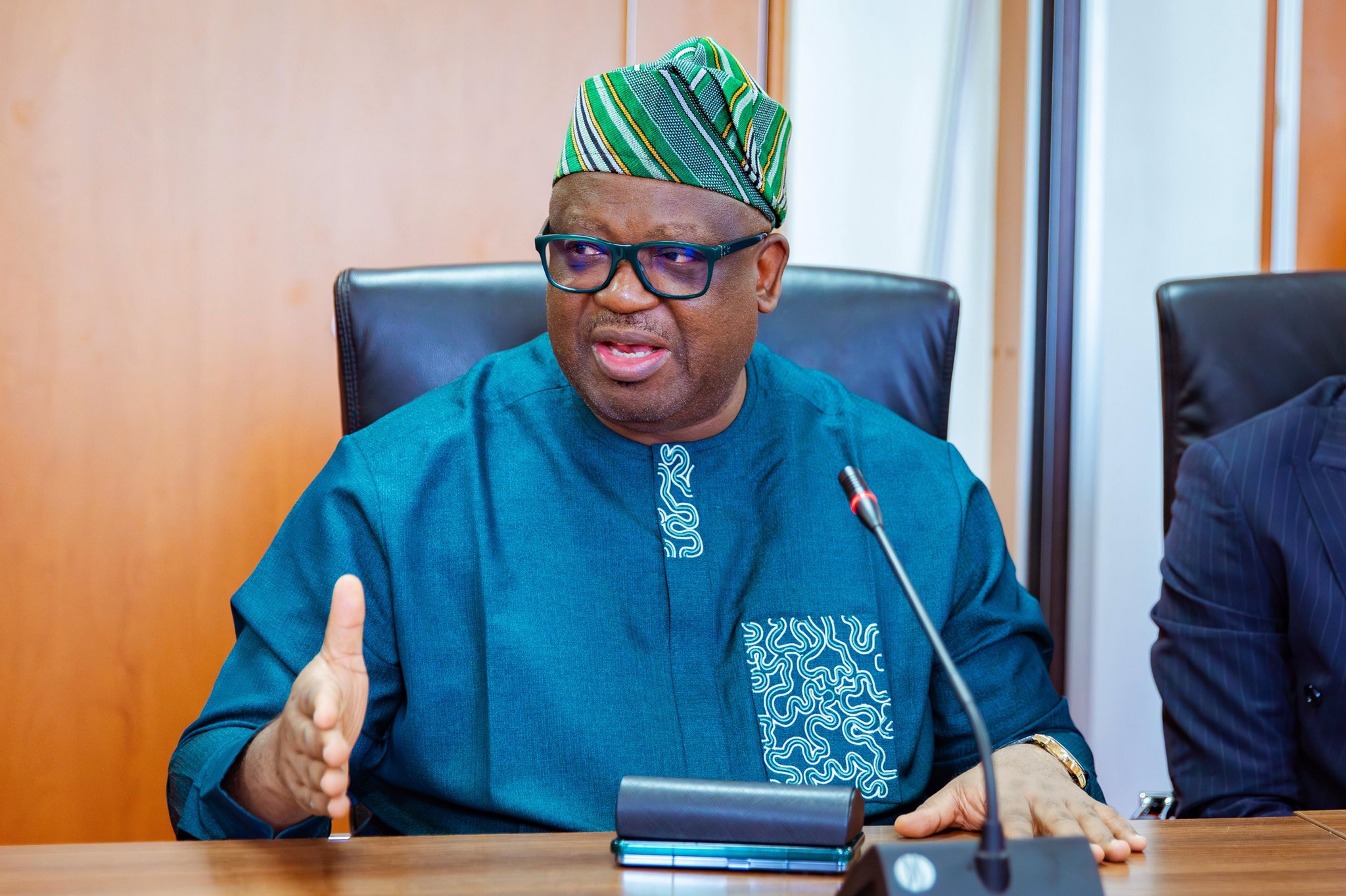
The news of Uzuegbu’s passing has triggered an outpouring of tributes from across Nigeria’s political and security spectrum. Governor Caleb Mutfwang of Plateau State, who worked closely with Uzuegbu during his time as a commissioner in the state, called him “a pillar of strength” during turbulent times. “In an era where public trust in security agencies is fragile, AIG Uzuegbu restored faith through his actions,” Mutfwang stated.
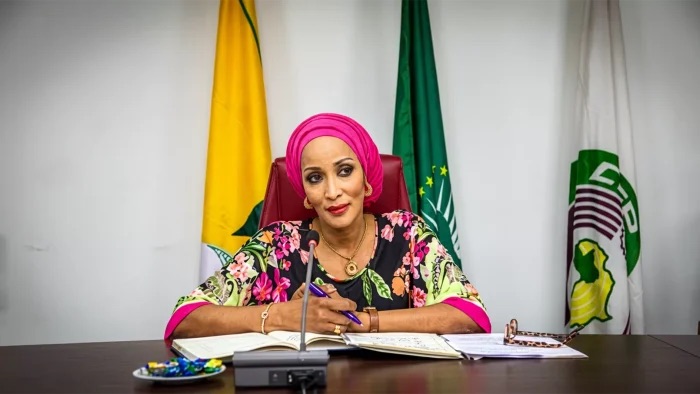
Similarly, the Minister of Foreign Affairs, Amb. Bianca Odumegwu-Ojukwu, who has long advocated for police reform, highlighted Uzuegbu’s role in fostering international collaborations to combat transnational crimes. “His expertise in cross-border security operations was unparalleled,” she noted. “Nigeria has lost a true professional.”
Even retired officers, who often reserve their sharpest critiques for active leadership, have been vocal in their praise. “Uzuegbu understood that policing is about service, not power,” said retired Assistant Commissioner of Police, Emeka Nwosu. “That mindset is rare in today’s Nigeria.”
The Human Side: Uzuegbu’s Life Beyond the Uniform
Behind the accolades and official titles lay a man of simple habits and deep convictions. Colleagues recall Uzuegbu as someone who preferred tea over alcohol, who spent his rare free moments reading military history, and who maintained a strict regimen despite the demands of his role. His family, though devastated by his loss, has chosen to keep his personal life private—a reflection of the man who valued discretion as much as discipline.
What emerges from these accounts is a portrait of a leader who led by example. In an institution often criticized for its opacity, Uzuegbu stood out for his accessibility. Officers under his command frequently noted that he remembered their names, their families, and even their career aspirations—an uncommon trait in a system where anonymity is the norm.
What’s Next for Nigeria’s Security Sector?
The question now is whether Nigeria can replicate Uzuegbu’s leadership in the post-Uzuegbu era. His death raises concerns about the direction of the police force, particularly as the 2027 elections loom on the horizon. Security analysts warn that without a strong, principled leader at the helm, the risk of politicization of security forces could escalate.
Kalu, in his tribute, urged the police hierarchy to uphold the standards set by Uzuegbu. “We must not let his legacy become a footnote in our history,” he said. “Nigeria deserves better than a security sector that is reactive and divided.”
The government’s response to Uzuegbu’s death will be closely watched. Will it appoint a successor who shares his vision, or will the vacuum be filled by those more interested in power than service? The answer could shape Nigeria’s security landscape for years to come.
Final Reflections: A Legacy That Transcends Death
As Nigeria buries one of its finest security officers, the tributes pouring in serve as a reminder of what true leadership looks like. Uzuegbu’s life was a testament to the power of quiet determination—a stark contrast to the loud, often divisive politics that dominate Nigeria’s public discourse.
For Dr. Orji Uzor Kalu, the loss is personal. But for Nigeria, it is a moment to reflect on the qualities that make a leader truly great: integrity, humility, and an unwavering commitment to the people they serve. Uzuegbu may be gone, but his legacy endures in the officers he mentored, the communities he protected, and the nation he helped keep standing.
In the end, Uzuegbu’s story is not just one of mourning—it is a call to action. A call for Nigeria to demand more from its leaders. A call to value discipline over drama. And a call to remember that the greatest legacies are not built on headlines, but on the quiet, daily choices to do what is right.
Copyright notice: Images and source material are credited to their respective owners/source (original source where available). If you are the copyright owner and want an image or content removed, please contact us at topix.news/contact-us; we will review and remove it promptly.

Topix News Desk is a digital editorial team focused on delivering clear, timely, and useful news coverage for readers worldwide. Our reporting highlights African news with global context, including politics, business, economy, technology, health, sports, entertainment, travel, and culture. We aim to publish accessible, well-structured, and informative articles that help readers understand the stories shaping Africa and the world.