
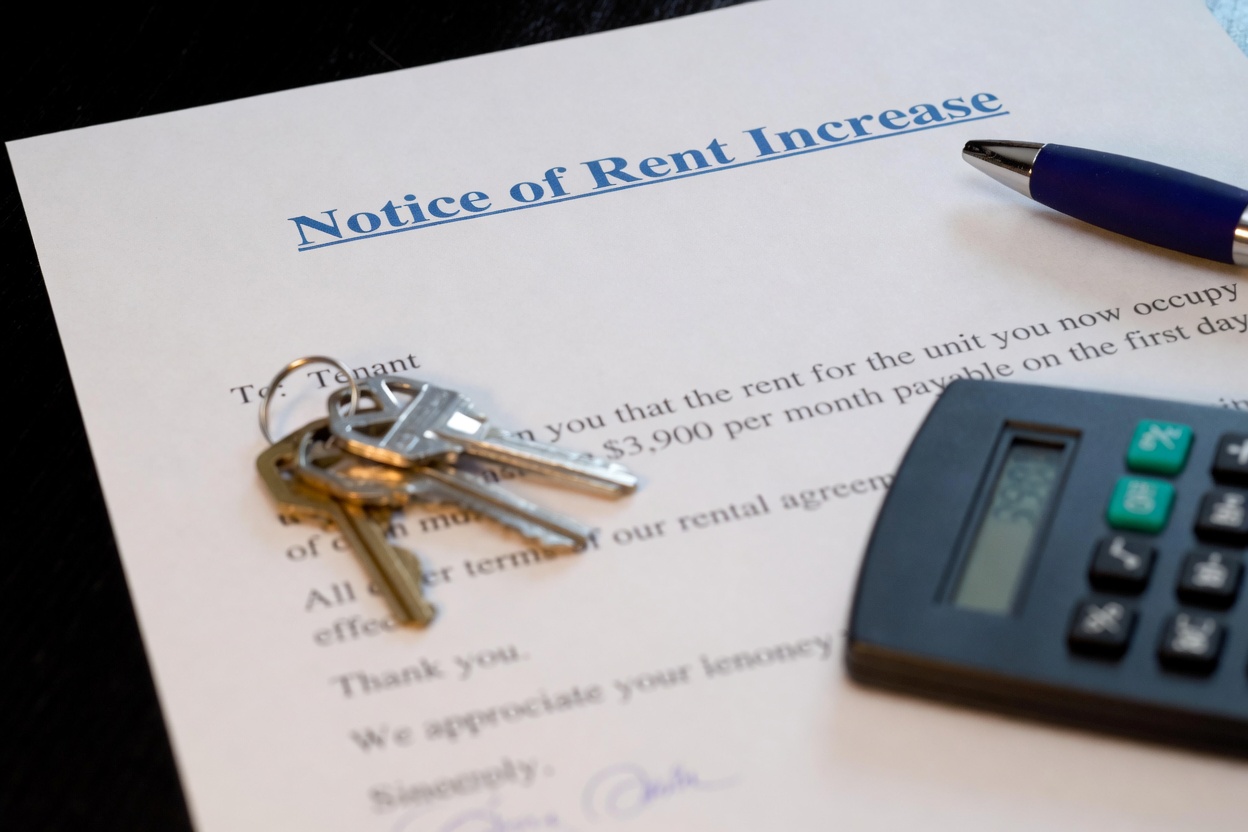
The skyline of Lagos pulses with ambition, its towering buildings a testament to Africa’s fastest-growing megacity. Yet beneath this urban glitter lies a simmering crisis: the relentless squeeze of rent hikes that has left countless families teetering on the edge of displacement. In a bold move to restore balance, the Lagos State government has unveiled a sweeping tenancy bill designed to dismantle the predatory practices of unscrupulous estate agents and impose strict limits on rent increases. This isn’t just another policy tweak—it’s a seismic shift that could redefine how millions of Nigerians secure their homes.
Why Lagos’ Housing Market Became a Pressure Cooker
The problem didn’t emerge overnight. Years of unchecked demand, coupled with a chronic shortage of affordable housing, created a perfect storm where landlords and agents wielded near-absolute power. Arbitrary rent hikes—sometimes doubling or tripling in a single year—became the norm, forcing tenants into impossible choices between exorbitant payments and homelessness. The situation was exacerbated by a shadowy network of unregistered agents who exploited loopholes, charging illegal fees and leaving renters with no recourse when disputes arose.
For many, the frustration boiled over into protests and legal battles, but systemic change remained elusive. That is, until now. The Lagos State government has finally taken decisive action, introducing a tenancy bill that doesn’t just nibble at the edges of the problem—it tears it down at the roots.

The Tenancy Bill: What Changes—and Who It Protects
The proposed legislation is a multi-pronged assault on the injustices plaguing Lagos’ rental market. At its core, it seeks to:
- Cap agent fees at 10% of annual rent. No longer will families be forced to hand over a month’s salary—or more—to middlemen who contribute little beyond a signature.
- Punish unregistered agents with heavy fines and potential jail time. The bill explicitly criminalizes the activities of agents operating without proper licensing, sending a clear message that exploitation has consequences.
- Fast-track tenancy dispute resolution. A dedicated tribunal will handle conflicts swiftly, ensuring that neither landlords nor tenants are left in legal limbo for months or years.
- Limit annual rent increases to a maximum of 10%. This provision is perhaps the most contentious—and the most necessary. Landlords will no longer be able to hike rents arbitrarily, providing renters with a measure of financial predictability in an otherwise volatile market.
But the bill isn’t just about reining in excess; it’s about creating a fairer ecosystem where both landlords and tenants operate within a transparent, regulated framework. For the first time in years, renters in Lagos may finally breathe easy.
The Human Cost: Stories of a System Under Strain
Behind the policy jargon lies a tapestry of human struggles. Take the case of Aisha, a single mother working two jobs in Ikeja. Last year, her landlord—without warning—raised her rent by 150%, forcing her to relocate to a cramped apartment in a distant suburb. “I couldn’t afford the new price,” she recalls. “I had to choose between feeding my children and keeping a roof over our heads.”
Then there’s the story of Chidi, a university student whose family was evicted mid-semester when their landlord decided to sell the property. The agent, operating without a license, pocketed their deposit and left them with no legal recourse. “We lost everything,” Chidi says. “Our furniture, our savings—all because someone decided we didn’t matter.”
These aren’t isolated incidents. They’re symptoms of a system that prioritized profit over people, where the vulnerable paid the price. The new tenancy bill aims to change that narrative, ensuring that no one is left at the mercy of unchecked greed.

The Backlash: Landlords and Agents Push Back
Not everyone is celebrating the bill’s arrival. Landlord associations have warned that strict rent caps could discourage investment in the housing sector, leading to a further shortage of rental properties. “If landlords can’t earn a fair return, why would they build or maintain homes?” argues Okechukwu Nwosu, president of the Lagos Landlords Association. “This bill might sound good on paper, but it could backfire spectacularly.”
Meanwhile, estate agents—some of whom have built empires on opaque pricing—are scrambling to adapt. Many operate in a legal gray area, and the bill’s crackdown on unregistered practitioners threatens their livelihoods. “We provide a service,” insists one agent, who asked to remain anonymous. “If the government wants to regulate us, fine—but they need to give us time to comply.”
The tension underscores a fundamental truth: reform rarely comes without resistance. Yet history shows that when policies prioritize equity over entrenched interests, the long-term benefits often outweigh the short-term disruptions. The question now is whether Lagos can strike the right balance.
Could This Be a Model for Nigeria—and Beyond?
Lagos isn’t the first city to grapple with runaway rents, but it may well be the first to take such sweeping legislative action. Other Nigerian states, including Abuja and Port Harcourt, have watched the Lagos experiment with keen interest. If the bill succeeds in stabilizing the market and reducing exploitation, it could set a precedent for nationwide reform.
Globally, cities from New York to Berlin have struggled to balance housing affordability with economic growth. Lagos’ approach—combining strict regulations with swift dispute resolution—offers a potential blueprint for other African megacities facing similar crises. Nairobi, Accra, and Johannesburg could all benefit from adopting elements of this model, particularly as urbanization accelerates across the continent.
Yet success hinges on more than just legislation. Implementation will require robust enforcement, public awareness campaigns, and a cultural shift in how landlords and tenants interact. The government must also address the root cause of the housing shortage: a dire lack of affordable units. Without new construction and incentives for developers, even the best tenancy laws may struggle to keep pace with demand.

What’s Next for Lagos’ Renters?
The bill is still in the legislative pipeline, but its passage seems all but assured. Governor Babajide Sanwo-Olu has thrown his weight behind the reforms, signaling that this isn’t a half-hearted gesture but a cornerstone of his administration’s housing policy. Once signed into law, the real work begins: educating the public, training tribunal staff, and ensuring that landlords and agents comply without resorting to loopholes.
For renters like Aisha and Chidi, the future looks brighter. The prospect of stable rents, transparent fees, and legal protections offers a rare glimmer of hope in an otherwise precarious housing market. “I just want a place where my kids can grow up without the constant fear of being priced out,” Aisha says. “If this bill delivers that, it will be worth every fight.”
As Lagos continues to expand, its leaders face a defining challenge: can a city built on ambition also be a city built on fairness? The tenancy bill is a critical step in that direction—but only time will tell whether it can truly transform the lives of those who call Lagos home.
Copyright notice: Images and source material are credited to their respective owners/source (original source where available). If you are the copyright owner and want an image or content removed, please contact us at topix.news/contact-us; we will review and remove it promptly.

Topix News Desk is a digital editorial team focused on delivering clear, timely, and useful news coverage for readers worldwide. Our reporting highlights African news with global context, including politics, business, economy, technology, health, sports, entertainment, travel, and culture. We aim to publish accessible, well-structured, and informative articles that help readers understand the stories shaping Africa and the world.