

Nigeria’s political chessboard just shifted again. In a rare public clarification on X (formerly Twitter), Professor Kingsley Moghalu, the former Deputy Governor of the Central Bank of Nigeria (CBN), dismantled speculation about his stance on the 2027 presidential race. His message wasn’t just a refusal to endorse Peter Obi—it was a manifesto of dissent, a critique of Nigeria’s political trajectory, and a warning about the dangers of unchecked ambition in leadership.
The timing couldn’t have been more deliberate. With Nigeria’s next election looming like a storm on the horizon, every endorsement, every silence, every strategic withdrawal carries weight. Moghalu’s refusal to publicly back Obi—despite pressure from supporters—isn’t just a personal choice. It’s a statement about Nigeria’s future, the role of intellectuals in politics, and the thin line between pragmatism and populism.
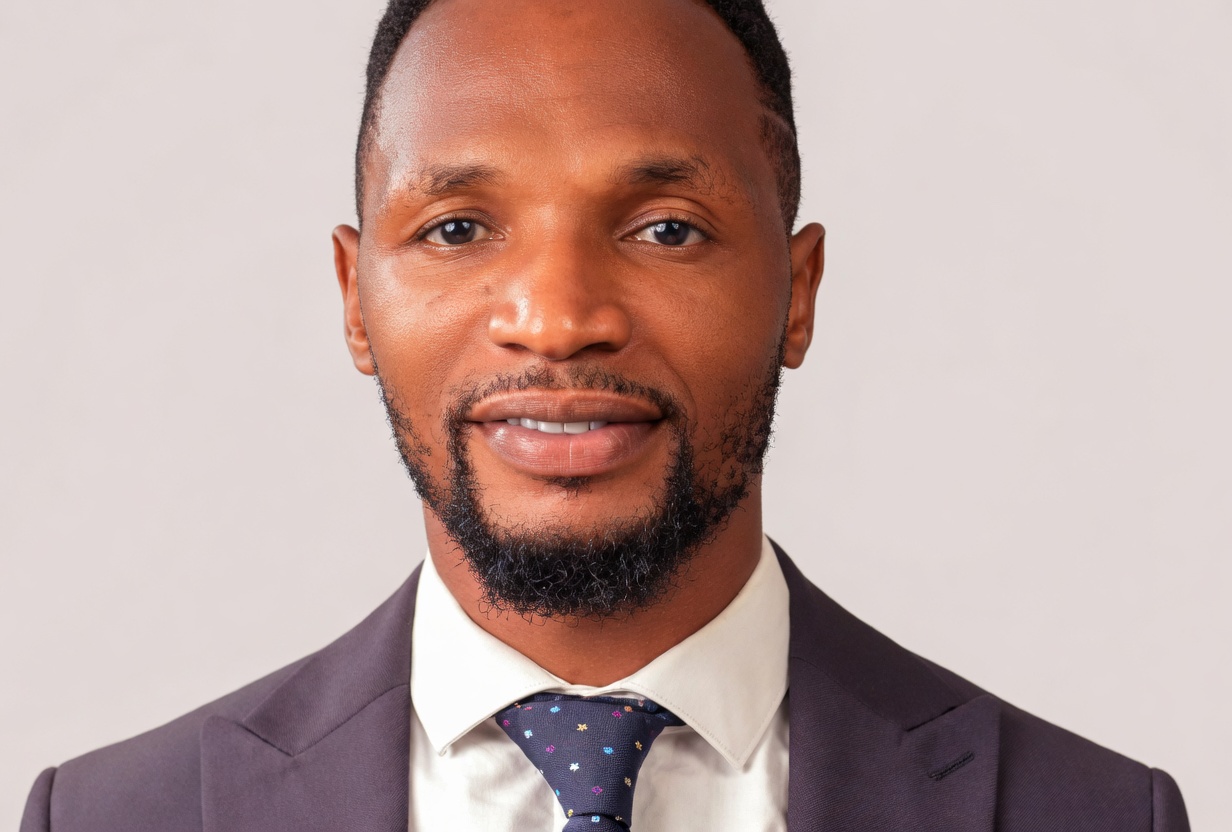
What makes Moghalu’s stance particularly intriguing is his background. A former CBN deputy governor, he’s not just another political commentator. He’s a technocrat who understands Nigeria’s economic levers, a man who has navigated the corridors of power where policies are made and broken. His refusal to endorse Obi isn’t born out of indifference—it’s rooted in a deep-seated belief that Nigeria’s next leader must do more than promise change. They must deliver it.
Why Endorsements in Nigerian Politics Are Never Just About Support
In Nigeria, endorsements are currency. They signal alliances, validate campaigns, and can sway undecided voters. But when Professor Moghalu took to X to explain why he wouldn’t publicly back Peter Obi, he wasn’t just declining a political favor. He was challenging the very foundation of Nigeria’s electoral politics.
His reasoning? A mismatch between Obi’s vision and the realities of governance. Moghalu didn’t mince words. He pointed to gaps in policy coherence, the absence of a clear economic roadmap, and what he described as an over-reliance on populist rhetoric. For a man who has spent decades analyzing Nigeria’s economic challenges, this wasn’t just a critique—it was a call to action.
“The Nigerian presidency is not a popularity contest,” Moghalu stated in his X post. “It is a responsibility that demands rigorous preparation, a deep understanding of policy, and an unwavering commitment to the people.” His words resonate in a political climate where charisma often trumps competence, and where campaign promises are more about optics than implementation.
The Ideological Divide: Where Moghalu and Obi Part Ways
To understand Moghalu’s refusal, you have to look beyond the headlines. Peter Obi, the Labour Party’s presidential candidate, has built a reputation on anti-establishment rhetoric, economic reforms, and a promise to reset Nigeria’s trajectory. But Moghalu’s concerns aren’t about Obi’s past—it’s about his future.
Moghalu, a co-founder of the Young Progressives Party (YPP), has long advocated for a technocratic approach to governance. He believes Nigeria’s leaders must be more than just politicians—they must be problem-solvers. Obi’s campaign, while inspiring to many, has yet to demonstrate the depth of policy detail that Moghalu insists is non-negotiable for the presidency.
This isn’t just about Obi’s economic proposals. It’s about his party’s structure, his team’s readiness, and his ability to navigate Nigeria’s complex political terrain. Moghalu’s silence isn’t a rejection of Obi’s ideals—it’s a demand for greater clarity, accountability, and a roadmap that goes beyond slogans.
The Pressure of Public Expectations: Why Moghalu Stood Firm
Endorsements in Nigerian politics are often treated as endorsements of personality, not policies. But Moghalu’s refusal to endorse Obi was a refusal to play by those rules. He wasn’t swayed by the chorus of supporters demanding his backing. Instead, he doubled down on his principles.
His response to an Obi supporter on X was telling: “I admire Peter Obi’s passion and his commitment to Nigeria’s youth. But passion alone doesn’t build institutions. It doesn’t create jobs. It doesn’t stabilize an economy.” In those words, Moghalu distilled the frustration of many Nigerians who see politics as a theater of promises rather than a platform for progress.
This isn’t the first time Moghalu has bucked political trends. As a presidential candidate in 2019, he ran on a platform that prioritized economic diversification, anti-corruption, and institutional reform. His campaign may not have won the election, but it left a lasting imprint on Nigeria’s political discourse. Now, as the 2027 race heats up, his refusal to endorse Obi is another reminder that Nigeria’s future leaders must do more than inspire—they must deliver.
What This Means for Nigeria’s 2027 Presidential Race
Moghalu’s stance is more than a personal decision—it’s a signal to Nigeria’s political class. In a country where endorsements are often transactional, his refusal to endorse Obi is a breath of fresh air. It’s a call for voters to look beyond the noise of campaign rallies and social media buzz, and instead focus on substance.
But it’s also a challenge to Obi’s camp. If Moghalu, a respected economist and former CBN official, can’t be convinced of Obi’s readiness, what does that say about the broader appeal of his candidacy? It’s a question that Obi’s team will have to answer—and quickly. Nigeria’s voters deserve more than just charisma. They deserve a leader who can translate vision into action.
As the 2027 election approaches, Nigeria’s political landscape is more fragmented than ever. The ruling All Progressives Congress (APC) is grappling with internal strife, the Labour Party is riding a wave of youth support, and smaller parties like Moghalu’s YPP are struggling to gain traction. In this crowded field, endorsements matter—but only if they come from voices that command respect.
Beyond Obi: The Broader Implications of Moghalu’s Silence
Moghalu’s refusal to endorse Obi isn’t just about one candidate. It’s about the future of Nigeria’s political discourse. It’s a reminder that leadership isn’t about popularity—it’s about preparation. It’s a warning that Nigeria can’t afford another administration built on empty promises and unfulfilled pledges.
For Moghalu, the stakes are clear. Nigeria needs leaders who understand the economy, who can navigate global pressures, and who are willing to make tough decisions. It doesn’t matter if those leaders are from the APC, the Labour Party, or an independent movement. What matters is their ability to deliver.
His silence on Obi is a challenge to all of Nigeria’s presidential aspirants. If they want endorsements from respected voices like Moghalu, they’ll need to do more than campaign on social media. They’ll need to present detailed policy proposals, demonstrate a track record of competence, and prove they can lead Nigeria through its most pressing challenges.
What’s Next for Nigeria’s Political Landscape?
As Nigeria gears up for another election cycle, the political landscape is more unpredictable than ever. Moghalu’s refusal to endorse Obi is just one piece of a much larger puzzle. But it’s a significant one. It signals that Nigeria’s voters—and its intellectuals—are demanding more from their leaders.
For Obi’s supporters, Moghalu’s stance may be disappointing. But it’s also an opportunity. If Obi’s campaign can address the concerns raised by Moghalu and others, it could strengthen his bid for the presidency. It could turn his populist appeal into a platform for real change.
For Nigeria, the lesson is clear. The 2027 election isn’t just about who can win the most votes. It’s about who can deliver the most progress. And that’s a standard no candidate should be allowed to ignore.Key Takeaways for Voters and Analysts Alike
Here’s what Nigeria’s political observers should keep in mind as the 2027 race unfolds:
- Substance over style: Nigeria’s next leader must do more than inspire—they must deliver. Charisma alone won’t fix the economy or stabilize the naira.
- Endorsements matter—but only if they’re earned: A respected voice like Moghalu won’t back a candidate just because of popularity. They’ll back someone who can lead.
- Populism isn’t enough: Nigeria’s challenges require more than slogans. They require deep policy knowledge, institutional reform, and a commitment to long-term growth.
- The 2027 election is a test for Nigeria’s democracy: Will voters prioritize promises over performance? Or will they demand accountability?
Moghalu’s refusal to endorse Obi is a reminder that Nigeria’s political future isn’t just about who wins—it’s about who is willing to step up and lead. And that’s a conversation every Nigerian should be part of.
Copyright notice: Images and source material are credited to their respective owners/source (original source where available). If you are the copyright owner and want an image or content removed, please contact us at topix.news/contact-us; we will review and remove it promptly.

Topix News Desk is a digital editorial team focused on delivering clear, timely, and useful news coverage for readers worldwide. Our reporting highlights African news with global context, including politics, business, economy, technology, health, sports, entertainment, travel, and culture. We aim to publish accessible, well-structured, and informative articles that help readers understand the stories shaping Africa and the world.