
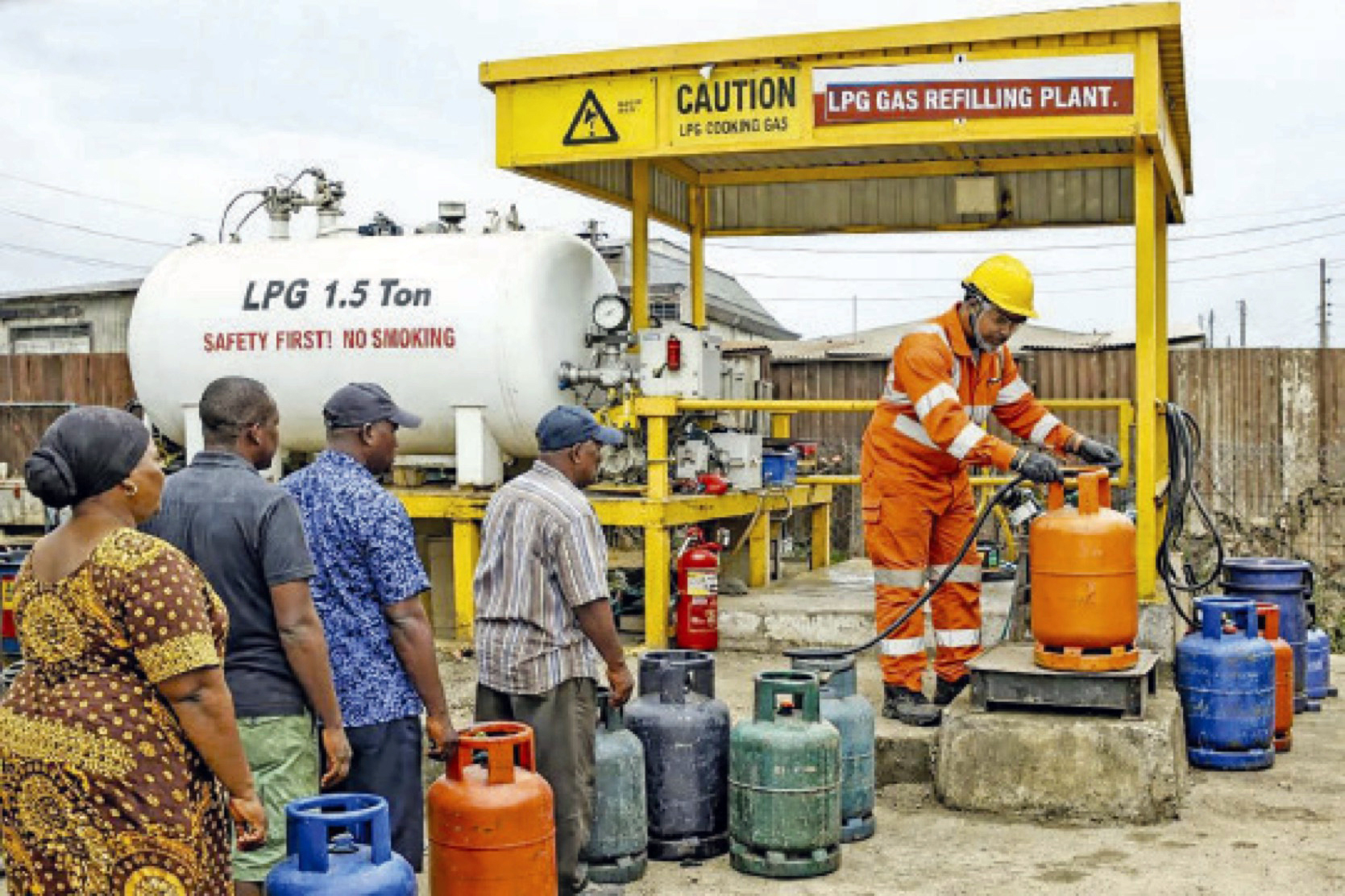
In the heart of Nigeria, a silent crisis is unfolding, one that transcends the mere pangs of hunger. It is a crisis that seeps into the very fabric of daily life, where empty gas cylinders and cold kitchens have become stark symbols of a nation grappling with escalating food prices and the daunting cost of cooking. This is not just a story of empty stomachs; it is a narrative of resilience and struggle, a testament to the unyielding spirit of a people facing adversity.
The Gas Scarcity Dilemma
The scarcity of cooking gas in Nigeria has reached alarming levels, leaving many households in a state of flux. The once-routine task of preparing meals has now become a Herculean challenge, as families navigate the complexities of securing gas cylinders amidst a backdrop of dwindling supplies and soaring prices.

The implications of this gas scarcity are far-reaching, affecting not just the culinary traditions of Nigerian households but also the broader socio-economic landscape. The ripple effects are felt in every corner of the nation, from bustling urban centers to the quietest rural villages.
The Rising Cost of Cooking
As the cost of cooking gas continues to climb, so too does the financial burden on Nigerian families. The once-affordable luxury of a home-cooked meal is now a distant memory for many, replaced by the harsh reality of budget constraints and difficult choices. The rising cost of cooking has forced families to make tough decisions, often sacrificing nutritional needs for the sake of financial survival.

This economic strain is particularly acute in low-income households, where the allocation of resources is a delicate balancing act. The high cost of cooking gas has exacerbated existing inequalities, widening the gap between the haves and the have-nots.
Impact on Food Prices
The scarcity of gas and the rising cost of cooking have had a direct impact on food prices across Nigeria. As the cost of preparing meals increases, so too does the price of food in markets and restaurants. This inflationary pressure has placed additional strain on households already struggling to make ends meet.
The situation is further complicated by the interconnected nature of Nigeria’s economy. The food sector, a critical component of the nation’s economic framework, is intricately linked to other industries. As such, the crisis in the food sector has broader implications for the overall economic health of the country.
Health Implications
The health implications of this crisis are profound. The inability to cook meals at home has led to an increased reliance on street food and other less nutritious options. This shift in dietary habits has raised concerns about the long-term health impacts on the Nigerian population.
Expectant mothers and young children are particularly vulnerable in this scenario. The lack of access to nutritious, home-cooked meals can have lasting effects on maternal and child health, potentially leading to a range of health issues that could burden the healthcare system for years to come.
Community Responses and Adaptations
In the face of this crisis, Nigerian communities have shown remarkable resilience and adaptability. From the use of alternative cooking methods to the establishment of community kitchens, Nigerians are finding innovative ways to cope with the challenges posed by gas scarcity and high cooking costs.
These community-led initiatives are a testament to the strength and ingenuity of the Nigerian people. They highlight the power of collective action and the importance of community support in times of crisis.
The Road Ahead
As Nigeria navigates this complex crisis, the path forward is fraught with challenges. Addressing the issue of gas scarcity and high cooking costs will require a multifaceted approach, one that involves policy interventions, community engagement, and international support.
This African entertainment news report underscores the urgent need for action. It is a call to arms for policymakers, community leaders, and international partners to come together and find sustainable solutions to this pressing issue. The future of Nigeria’s food security and the well-being of its people hang in the balance.
Copyright notice: Images and source material are credited to their respective owners/source (original source where available). If you are the copyright owner and want an image or content removed, please contact us at topix.news/contact-us; we will review and remove it promptly.

Topix News Desk is a digital editorial team focused on delivering clear, timely, and useful news coverage for readers worldwide. Our reporting highlights African news with global context, including politics, business, economy, technology, health, sports, entertainment, travel, and culture. We aim to publish accessible, well-structured, and informative articles that help readers understand the stories shaping Africa and the world.