

President Tinubu assures Nigerians on Eid-el-Kabir that economic reforms are yielding results and the “dark days are over,” promising improved security and Read More:

As the crescent moon of Shawwal rose over Abuja this Eid-el-Kabir, President Bola Tinubu stood before a nation weary but watching, and declared the long night of hardship finally over. His words, delivered with the weight of a leader who has weathered storms both political and economic, carried a promise that resonated far beyond the ceremonial grounds: “The dark days are behind us.” For millions of Nigerians who have endured fuel queues, soaring inflation, and a currency that seemed to slip further with each passing month, the statement was not just rhetoric—it was a lifeline.
From Austerity to Aspiration: The Economic Reckoning
Tinubu’s administration has faced no shortage of critics since taking office. The removal of fuel subsidies, a move hailed by some as necessary surgery and condemned by others as economic malpractice, sent shockwaves through households already stretched thin. Yet, in his Eid address, the president framed the pain as a precursor to progress. “We did not choose this path lightly,” he acknowledged, “but we chose it deliberately, knowing that the alternative was stagnation.” The question now is whether the sacrifices are beginning to yield dividends—or if the road ahead remains treacherous.
The Dangote Refinery, a colossal project that has become a symbol of Nigeria’s industrial ambitions, looms large in this narrative.

Once a distant dream, the refinery’s recent completion has sparked cautious hope that the era of importing nearly all of Nigeria’s fuel may soon end. Industry analysts suggest that if operational at full capacity, the facility could slash the country’s fuel import bill by billions of dollars annually, easing pressure on the naira and reducing pump prices. Yet skeptics warn that bureaucratic bottlenecks and infrastructure gaps could dilute these gains before they materialize.
Security in the Shadows: A Fragile Calm
No economic recovery can take root in a climate of fear. Tinubu’s assurance of improved security came at a time when Nigeria’s battle against insurgency and banditry remains a daily struggle. The deployment of additional security personnel during Eid-el-Kabir, while routine for such occasions, underscored the government’s recognition that stability is the bedrock of progress. Yet the shadows linger. In the northwest, communities still bear the scars of kidnappings and cattle rustling, while the northeast grapples with the lingering threat of Boko Haram splinter groups. The president’s promise of “light” must be measured against the reality on the ground, where security forces are stretched thin and public trust in their efficacy remains fragile.
Meanwhile, political tensions simmer in the Niger Delta, where the delicate balance of power between state and federal authorities has frayed. The recent standoff between Rivers State Governor Siminalayi Fubara and his former political mentor, Nyesom Wike, has raised concerns about the stability of Nigeria’s oil-rich heartland.

While the crisis has not yet spiraled into violence, it serves as a reminder that Nigeria’s unity is not a given—it is a daily negotiation.
The World Bank’s U-Turn: A Cautionary Tale
Tinubu’s tenure has not been without setbacks, and one of the most glaring came in the form of a canceled World Bank loan. Earlier this year, the federal government abruptly withdrew from a $717 million power sector agreement with the World Bank, citing concerns over mismanagement and corruption.

The decision, while popular among anti-corruption advocates, has left a gaping hole in Nigeria’s energy infrastructure plans. With blackouts still a regular occurrence in many states, the question lingers: Can Nigeria’s power sector be overhauled without external funding, or will the darkness return?
Critics argue that the cancellation reflects deeper dysfunction within Nigeria’s governance structures. Proponents, however, see it as a bold stand against graft. Either way, the episode highlights the high stakes of Tinubu’s reforms. Every policy shift, every canceled deal, carries the potential to either stabilize or destabilize the nation’s fragile recovery.
Eid in the Time of Caution
For Nigerians, Eid-el-Kabir is more than a religious observance—it is a barometer of national mood. This year, the celebrations were marked by a mix of relief and restraint. Families gathered in homes and mosques, sharing meals and prayers, but the usual exuberance was tempered by economic realities. In Kano, one of Nigeria’s commercial hubs, traders reported a 15% drop in sales compared to last year, as consumers prioritized essentials over festive spending. In Lagos, the streets were alive with the rhythms of the season, yet the air carried an unspoken tension: the fear that the good times might not last.
The government’s decision to declare a public holiday and deploy extra security forces was a nod to both tradition and pragmatism.
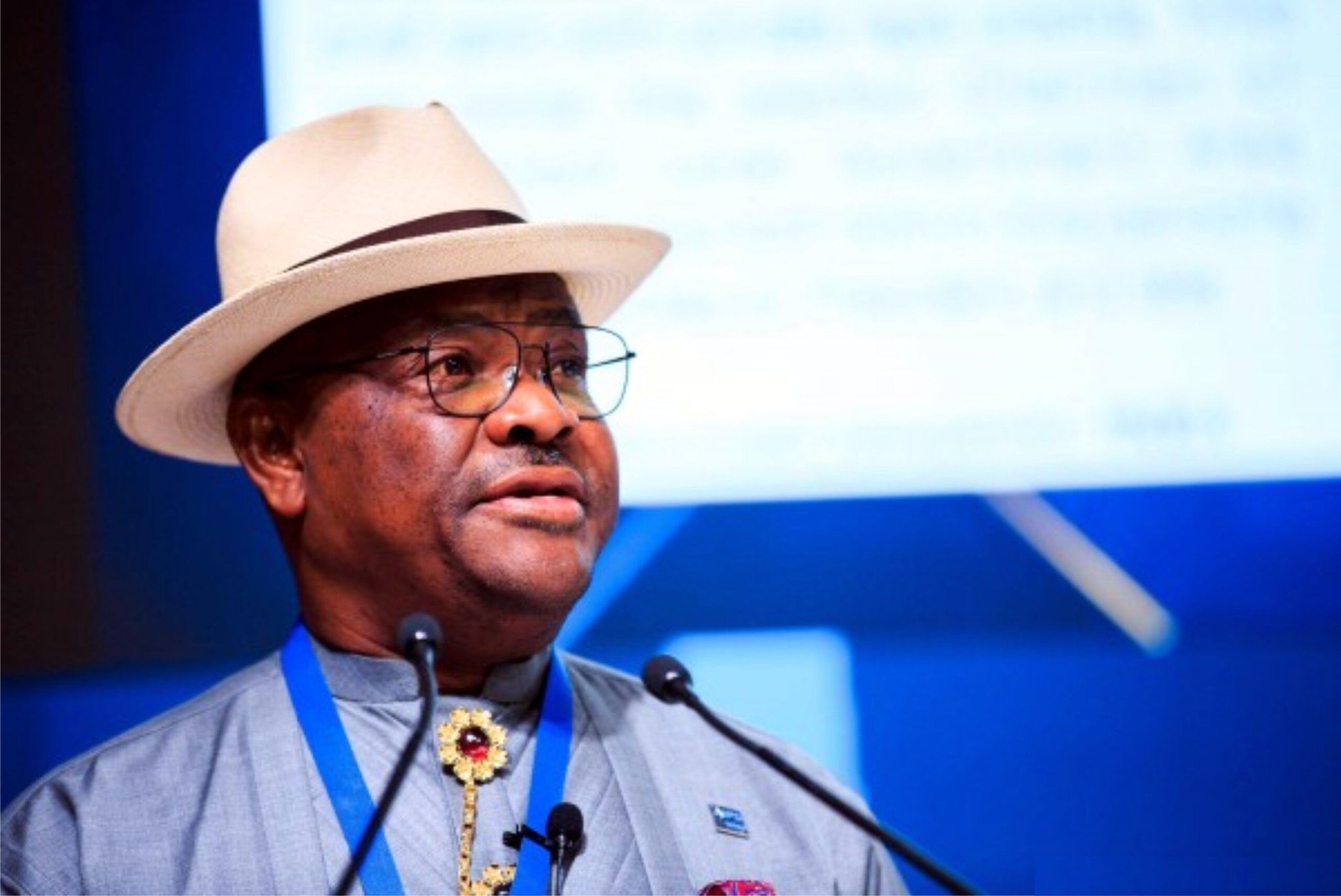
Yet, for many, the sight of armored vehicles patrolling city centers served as a stark reminder of the threats that still lurk. The Eid message, while optimistic, could not erase the memories of past holidays marred by violence—whether from insurgents, bandits, or even state actors.
The Road Ahead: Between Hope and Hard Truths
Tinubu’s declaration that “light is here” is not a guarantee—it is a challenge. Nigeria stands at a crossroads, where the choices made in the coming months could determine whether the current glimmers of progress are sustained or snuffed out. The path forward demands more than rhetoric; it requires tangible results in three critical areas:
- Economic Stabilization: The Dangote Refinery’s success, if realized, could be a game-changer. But it must be accompanied by policies that curb inflation, stabilize the naira, and create jobs for a youthful population desperate for opportunity.
- Security Consolidation: The government must move beyond temporary deployments and address the root causes of insecurity—whether through dialogue, investment in rural communities, or a rethink of the military’s approach to counterinsurgency.
- Governance Transparency: The cancellation of the World Bank loan was a bold move, but it must be followed by concrete steps to improve governance, root out corruption, and restore public trust in institutions.
For now, Nigerians are holding their breath. The president’s words have given them reason to hope, but hope alone cannot fill empty stomachs or protect families from harm. The true test of Tinubu’s leadership will not be measured in speeches, but in the daily lives of the people he serves.

As the sun set on Eid-el-Kabir, casting long shadows across Abuja’s landscape, one thing was clear: Nigeria’s journey from darkness to light is far from over. It is, at best, in its early chapters—a fragile, flickering flame that could either grow into a steady fire or be extinguished by the winds of adversity.
For a nation that has known too many false dawns, the wait for proof continues.
Copyright notice: Images and source material are credited to their respective owners/source (original source where available). If you are the copyright owner and want an image or content removed, please contact us at topix.news/contact-us; we will review and remove it promptly.

Topix News Desk is a digital editorial team focused on delivering clear, timely, and useful news coverage for readers worldwide. Our reporting highlights African news with global context, including politics, business, economy, technology, health, sports, entertainment, travel, and culture. We aim to publish accessible, well-structured, and informative articles that help readers understand the stories shaping Africa and the world.