

A Growing Exodus: Why South Africa’s Immigrant Population Faces Forced Departure

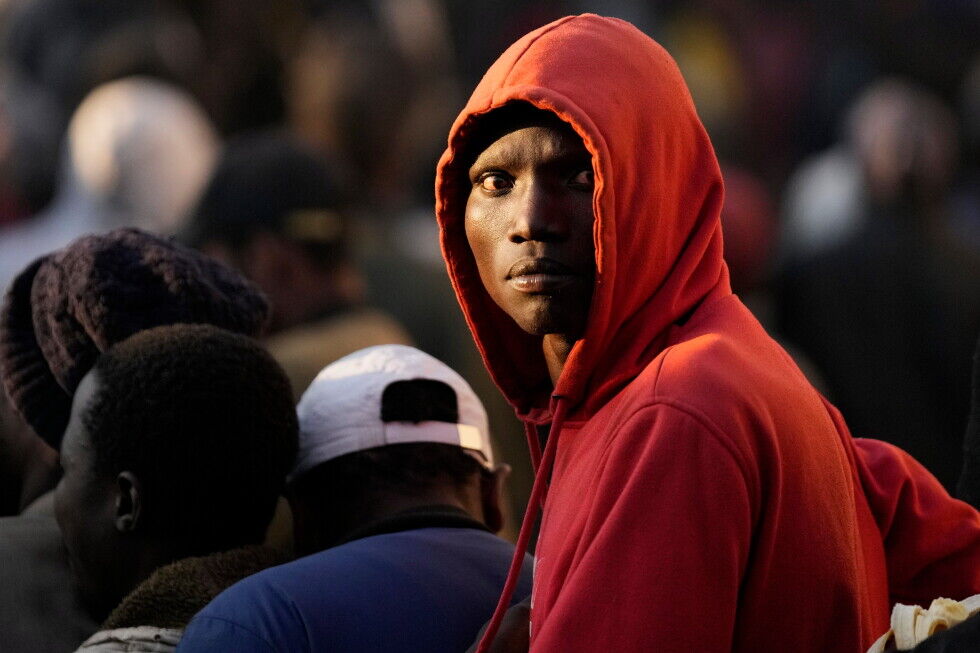
Malawian migrants await deportation at a temporary center in Durban, South Africa, June 19, 2026. (AP Photo/Themba Hadebe)
South Africa, once a beacon of opportunity for African migrants seeking economic stability and better living conditions, now finds itself at the center of a mounting humanitarian crisis. Over the past months, an unprecedented wave of forced departures has swept through the country’s immigrant communities, driven by escalating anti-immigration sentiment, violent attacks, and an impending June 30 deadline set by protest groups. As tensions rise, thousands of foreign nationals—many of whom have lived in South Africa for years—are being pushed toward repatriation, leaving behind lives, livelihoods, and families in a country that once welcomed them.
The situation has reached a critical juncture, with police on high alert, embassies overwhelmed, and neighboring African nations scrambling to evacuate their citizens. Critics warn that without urgent intervention, the crisis could spiral into widespread violence, economic instability, and long-term social fractures. This article examines the root causes of the exodus, the role of political rhetoric, the humanitarian impact, and the broader implications for South Africa’s future.
The Spark: Anti-Immigration Protests and the June 30 Deadline

A Malawian migrant jumps over a barricade as police manage deportation queues in Durban, June 18, 2026. (AP Photo/Themba Hadebe)
The current wave of unrest traces its origins to a series of anti-immigration protests that began in March 2026, sweeping through major cities like Johannesburg, Cape Town, and Durban. Organized by groups such as the African National Congress (ANC) Youth League and smaller far-right factions, these demonstrations have amplified long-standing grievances over unemployment, crime, and public service failures, blaming foreign nationals—particularly those from Malawi, Mozambique, Nigeria, and Zimbabwe—for exacerbating these issues.
The protestors have set a non-negotiable deadline of June 30, demanding that:
– All undocumented immigrants leave South Africa.
– The government strengthen border controls and crack down on illegal entry.
– Compensation and reparations for communities allegedly harmed by migrant labor.
Failure to meet these demands, the groups have threatened, will result in a “national shutdown”—a call that has sent shockwaves through the government and immigrant communities alike.

South Africans protest against illegal migration in Johannesburg, April 29, 2026. (AP Photo/Themba Hadebe)
Police Minister Khehla Simelane has confirmed that authorities are preparing for “large-scale protests” on June 30, with military reinforcements deployed in high-risk areas. The government’s response has been cautious yet firm, acknowledging the legitimacy of some concerns while rejecting the baseless accusations that immigrants are the primary drivers of South Africa’s economic woes.
Violence and Xenophobia: A Pattern of Historical Repression
The recent unrest is not an isolated incident. South Africa has a troubling history of xenophobic violence, with the most devastating outbreak occurring in 2008, when over 60 people—mostly foreign nationals—were killed in coordinated attacks across Johannesburg, Durban, and Pretoria. Those riots, fueled by economic desperation and racial tensions, exposed deep-seated resentment toward migrants who often settled in already impoverished townships, competing for scarce jobs and resources.
Since 2008, sporadic outbreaks of violence have continued, though rarely on the same scale. However, the current wave of attacks suggests a resurgence of hostility, with reports of:
– Arson attacks on immigrant neighborhoods in Port Elizabeth, where over 50 homes were burned down.
– A Malawian man allegedly stoned to death in Gauteng Province during protests last week.
– Two Mozambicans killed in East London, with local authorities confirming widespread looting and destruction in migrant-heavy areas.

Malawian migrants queue for deportation in Durban, June 18, 2026. (AP Photo/Themba Hadebe)
The United Nations has condemned these acts, with UN Secretary-General António Guterres’ spokesperson stating that the organization is “deeply concerned by reports of xenophobic attacks and acts of harassment” against foreign nationals. The African Union (AU) has also urged South Africa to protect its migrant population, warning that unchecked violence could undermine regional stability.
The Humanitarian Crisis: Thousands Flee as Repatriations Accelerate
In response to the escalating danger, African governments are rushing to evacuate their citizens. Over the past month, nearly 2,000 Nigerian and Ghanaian nationals have been repatriated via government-organized flights, with more evacuations planned. Malawi, one of the most affected countries, has facilitated the return of over 8,000 Malawians from Durban’s temporary shelters, though thousands remain stranded, fearing further violence.

Nigerian nationals repatriated from South Africa arrive at Lagos’ Murtala Muhammed International Airport, June 11, 2026. (AP Photo/Sunday Alamba)
Durban’s repatriation centers—set up near the Malawian and Mozambican embassies—have become overwhelmed hubs where migrants wait in crowded, unsanitary conditions, often without food or proper medical care. South African authorities have facilitated some repatriations, but many others are being formally deported for lacking legal documentation.
The human cost of this exodus is staggering. Many migrants have lived in South Africa for decades, contributing to industries like construction, agriculture, and domestic work. Their sudden departure leaves behind orphaned families, abandoned businesses, and communities in disarray.
Government Response: Balancing Security and Diplomacy
South African President Cyril Ramaphosa has attempted to calm the situation through national television addresses, acknowledging government failures in border control while rejecting the political exploitation of the immigration issue.
In a June 2026 speech, Ramaphosa stated:
“Illegal immigration is not the root cause of our social and economic challenges. However, we must address the legitimate concerns of our citizens while ensuring that foreign nationals are treated with dignity and respect.”
Despite these words, critics argue that the government’s response has been too slow. The Home Affairs Ministry reports that over 100,000 undocumented immigrants have been deported in the past two years, and 500,000 others have been turned away at borders. Yet, these figures do not account for those who remain undocumented, living in the shadows.

President Cyril Ramaphosa addresses the nation amid rising tensions over immigration, June 2026.
Opposition parties, including the Democratic Alliance (DA) and the Economic Freedom Fighters (EFF), have criticized the government for failing to protect migrants while also exploiting the crisis for political gain. The ANC Youth League, a key driver of the protests, has linked the issue to broader discontent over corruption, unemployment (currently at 33.5%), and service delivery failures.
Economic and Social Fallout: What’s at Stake?
The mass exodus of immigrants is not just a humanitarian emergency—it has economic and social repercussions that could strain South Africa’s recovery.
- Labor Shortages in Key Sectors
- Migrants fill critical roles in construction, mining, and agriculture, sectors already facing labor shortages.
-
Their sudden departure could disrupt supply chains and increase costs for businesses.
-
Increased Crime and Social Unrest
- Some studies suggest that xenophobic violence itself drives crime, as communities turn on each other in times of economic stress.
-
The burning of immigrant-owned businesses in recent attacks has hurt local economies, particularly in townships and informal settlements.
-
Diplomatic Tensions with Neighboring Nations
- Countries like Nigeria, Ghana, and Mozambique have publicly condemned South Africa’s handling of the crisis, risking regional strain.
-
The African Development Bank (AfDB) has warned that uncontrolled migration policies could hinder economic integration across the continent.
-
Long-Term Brain Drain
- Skilled migrants, including doctors, engineers, and teachers, are among those leaving.
- South Africa risks losing valuable human capital that could have contributed to national development.
A Call for Unity: Can South Africa Avoid Another 2008-Style Crisis?
As June 30 approaches, the question remains: Will South Africa repeat the tragic events of 2008, or can it find a path toward reconciliation?
Experts suggest several potential solutions:
– Strengthening Legal Migration Pathways – A structured visa system could reduce undocumented migration while allowing skilled workers to contribute legally.
– Community-Based Integration Programs – Job training and housing initiatives in migrant-heavy areas could reduce competition for resources.
– Stronger Border Security – Biometric screening and international cooperation could curb illegal entry.
– Public Awareness Campaigns – Debunking myths about immigrants taking jobs from South Africans could reduce xenophobic sentiment.

Malawian migrants queue at a temporary shelter in Durban, June 18, 2026. (AP Photo/Themba Hadebe)
The United Nations Development Programme (UNDP) has urged South Africa to prioritize human rights in its response, emphasizing that forced deportations without due process could violate international law.
For now, the country stands at a crossroads. If the June 30 deadline passes without major violence, it may signal a temporary de-escalation. But if protests turn violent, the consequences could be devastating—not just for migrants, but for South Africa’s fragile democracy and economic stability.
As the clock ticks down, one thing is clear: The fate of thousands of lives hangs in the balance, and the choices made in the coming days will shape South Africa’s future for years to come.

Malawian migrants await deportation in Durban, June 18, 2026. (AP Photo/Themba Hadebe)
