

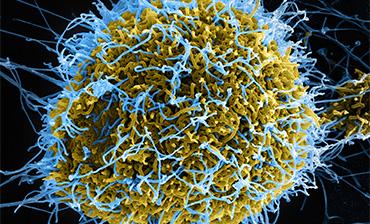
Latest Developments in the 2026 Ebola Outbreak: A Detailed Analysis
As of 26 June 2026, the Bundibugyo strain of Ebola virus disease (EVD) continues to pose a significant public health challenge in the Democratic Republic of the Congo (DRC) and Uganda, with cross-border transmission risks and imported cases emerging in Europe. The European Centre for Disease Prevention and Control (ECDC) has released an updated assessment, highlighting critical developments, geographical distribution, and global preparedness measures.
Current Epidemiological Situation in the DRC and Uganda
Democratic Republic of the Congo (DRC): A Persistent Outbreak
The DRC Ministry of Health reported a total of 1,155 confirmed cases as of 25 June 2026, with 304 confirmed deaths and 385 individuals hospitalized in isolation (data as of 24 June). Since the last ECDC update (25 June, data from 23 June), there have been:
– 37 new confirmed cases
– 5 additional deaths
The outbreak remains highly localized, with three provinces reporting active transmission:
- Ituri Province (Most Affected)
- 1,054 confirmed cases across 22 health zones.
-
No new health zones have been affected since the last update, but intensive surveillance continues to monitor suspected cases.
-
North Kivu Province
- 98 confirmed cases from 11 health zones.
-
While the number of cases is lower than in Ituri, local transmission chains persist, requiring sustained response efforts.
-
South Kivu Province
- 3 confirmed cases in one health zone.
- This province has seen minimal spread, but laboratory confirmation remains critical to prevent underreporting.
Laboratory Confirmation and Surveillance
– Continuous testing of suspected cases ensures real-time updates.
– No new health zones have been declared affected since the previous assessment, but vigilance remains high due to the virus’s potential for rapid transmission.
Uganda: Contained but Monitored
Uganda has reported 20 confirmed Ebola cases, including 2 deaths, with the most recent case detected on 21 June. Since then, no new cases have been identified. The transmission dynamics include:
– 15 cases linked to travel from the DRC (indicating cross-border movement risks).
– 5 cases associated with local transmission, suggesting limited but active spread within Uganda.
Geographical Distribution in Uganda:
– 8 out of 9 cases with known locations were in Kampala, the capital.
– 1 case was reported in the neighboring Wakiso District, raising concerns about urban transmission.
While Uganda has not yet declared an official outbreak, the ECDC emphasizes the need for continued monitoring due to the potential for further spread if containment measures weaken.
First Imported Ebola Case in Europe: France Reports a Confirmed Case
On 24 June 2026, France confirmed its first case of Ebola virus disease in a patient who had traveled from an affected region in the DRC. This follows an earlier case reported on 19 May, involving a U.S. citizen medically evacuated to Germany for treatment.
Key Observations:
– Both cases were imported, meaning they were not locally acquired within the EU/EEA.
– The risk of transmission in Europe remains extremely low, but preparedness measures are being reinforced.
The ECDC assesses the likelihood of sustained community transmission in the EU/EEA as negligible, primarily due to:
– Strict travel restrictions and enhanced screening at airports.
– Rapid medical evacuation of suspected cases.
– High-level biosafety protocols in European healthcare systems.
However, the agency continues to monitor the situation closely and will update risk assessments as new data emerges.
Global Preparedness and Response Efforts
1. Threat Assessment and Risk Mitigation
The ECDC has published a detailed threat assessment brief ( ), outlining:
– Transmission risks in high-density urban areas (e.g., Kampala).
– Vulnerable populations, including healthcare workers and frontline responders.
– Potential scenarios for cross-border spillover, particularly in East African hotspots.
Recommendations for EU/EEA Member States:
– Enhanced surveillance at ports and airports.
– Stockpiling of personal protective equipment (PPE) and antiviral treatments.
– Public health messaging to reduce stigma and encourage reporting of symptoms.
2. Healthcare Professional Guidance
To ensure safe patient management, the ECDC has released specialized Q&A resources for healthcare workers ( and ), covering:
– Diagnostic protocols for suspected Ebola cases.
– Isolation and infection control measures.
– Psychosocial support for healthcare providers treating EVD patients.
Additionally, patient management pathways ( and ) provide step-by-step clinical guidelines for hospitals, including:
– Initial triage and testing procedures.
– Treatment protocols for confirmed cases.
– Contact tracing and quarantine protocols.
3. Laboratory and Communication Resources
To support rapid and accurate diagnosis, the ECDC offers:
– Laboratory guidance (), including diagnostic test protocols and sample handling procedures.
– Communication tools for public awareness campaigns, designed to:
– Dispel myths surrounding Ebola transmission.
– Encourage early reporting of symptoms.
– Provide clear instructions on hygiene and isolation.
4. Preparedness for Imported Cases
Given the first confirmed case in France, the ECDC has scaled up preparedness efforts, including:
– Practical guidance for airport and border control staff ().
– Training programs for emergency response teams.
– Coordination with WHO and regional health authorities to standardize response protocols.
A dedicated section () addresses common questions about the outbreak, ensuring transparency and public trust.
Weekly Epidemiological Updates and Future Projections
The ECDC publishes weekly communicable disease threat reports, including:
– Week 26 (19–26 June 2026) – Latest trends in case numbers and response efforts.
– Week 25 (13–18 June 2026) – Early indicators of transmission patterns.
The next epidemiological update will be released on 29 June 2026, providing real-time adjustments to risk assessments based on new case data.
Key Challenges and Future Considerations
Despite significant progress in containment, several critical challenges remain:
1. Cross-Border Movement: The ongoing travel between DRC and Uganda increases the risk of spillover events.
2. Healthcare System Strain: In Ituri and North Kivu, overwhelmed facilities may hinder effective response.
3. Community Resistance: Stigma and misinformation can undermine surveillance efforts.
4. Global Travel Risks: While Europe remains low-risk, any imported case could trigger panic and disrupt travel.
Long-Term Solutions:
– Strengthened regional collaboration between DRC, Uganda, and neighboring countries.
– Investment in local healthcare infrastructure to improve rapid response capabilities.
– Global stockpiles of Ebola treatments (e.g., monoclonal antibodies) to accelerate containment.
Conclusion: A Call for Continued Vigilance
The 2026 Ebola outbreak remains a serious but manageable public health crisis, with localized transmission in the DRC and contained risks in Uganda and Europe. However, preparedness must remain at the forefront to prevent resurgence or international spread.
The ECDC’s comprehensive resources—ranging from laboratory guidance to public communication tools—provide a framework for effective response. As the situation evolves, international cooperation, rapid data sharing, and community engagement will be critical in curbing this outbreak.
Stay informed with the next update on 29 June 2026.

Threat Assessment Brief – Ebola Disease Outbreak (Bundibugyo Strain) – DRC & Uganda (2026)
Q&A: Addressing Public Concerns About the Current Ebola Outbreak
Q&A for Healthcare Professionals: Clinical Management of Ebola Virus Disease
Public Health Preparedness Resources for Ebola Outbreak Response
Laboratory Protocols and Diagnostic Tools for Ebola Detection
Patient Management Pathway: Ebola in Healthcare Settings (2026)
Ebola Disease Guidelines for Healthcare Workers
Contact Tracing and Isolation Protocols for Imported Ebola Cases
