

As global health priorities shift, China is rapidly expanding its financial and strategic support for HIV/AIDS programs across Africa, filling a critical gap left by the United States’ recent reductions in health aid. Through initiatives like the Health Silk Road, Beijing is not only funding new prevention and treatment projects but also fostering local pharmaceutical manufacturing—a move that could redefine Africa’s long-term capacity to combat the epidemic. Meanwhile, the U.S. withdrawal from its landmark PEPFAR (President’s Emergency Plan for AIDS Relief) bilateral agreements with some African nations has sparked concerns over data sovereignty and healthcare autonomy, leaving a void that China appears determined to address.
China’s Strategic Expansion: Funding and Local Manufacturing
China’s commitment to HIV/AIDS in Africa is being channeled through its Global Development and South-South Cooperation Fund, a key pillar of its broader Health Silk Road initiative. This program, launched in 2021, aims to strengthen healthcare infrastructure, promote medical innovation, and enhance disease prevention across the Global South. Recent announcements indicate that China is prioritizing localized medicine production, a strategy that could reduce dependency on foreign pharmaceutical supplies while ensuring sustainable access to treatments.
A standout example is China’s $3.49 million grant to South Africa in 2023, one of the hardest-hit nations by the HIV/AIDS crisis, with an estimated 8 million people living with HIV. The funding was allocated to prevention programs targeting over 50,000 young people, as well as harm-reduction initiatives for people who inject drugs—a vulnerable population often overlooked in global health efforts. Beyond financial support, China is also investing in capacity-building for African pharmaceutical companies, enabling them to produce essential antiretroviral therapies (ARTs) domestically.
[IMAGE_1]
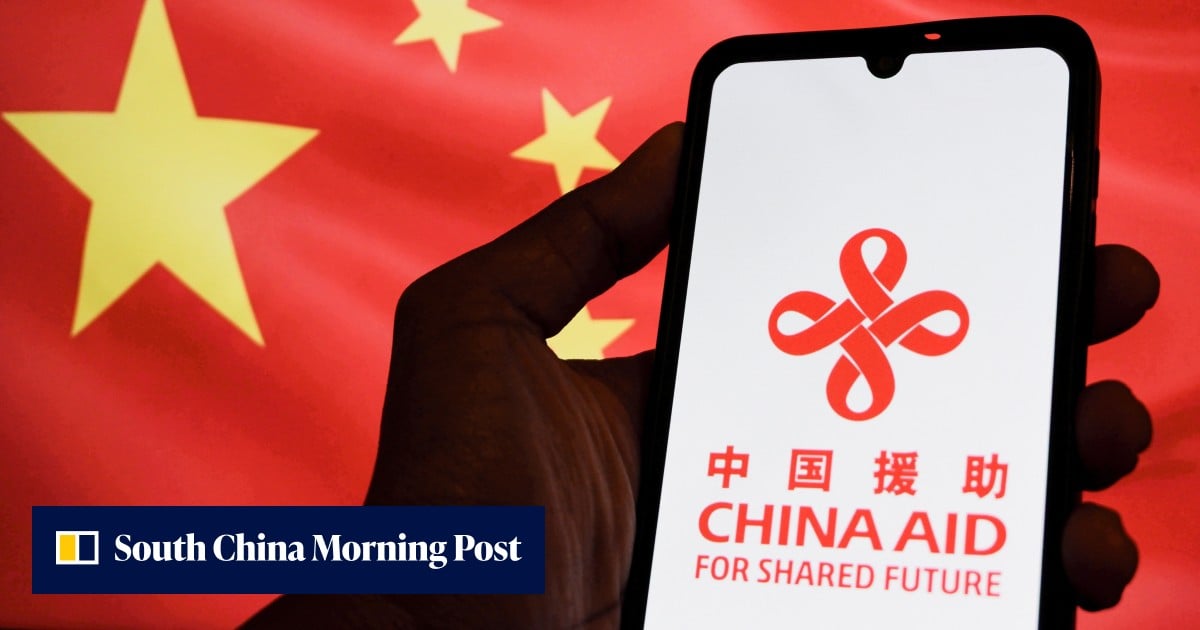
China’s Health Silk Road initiative includes funding for local HIV/AIDS treatment programs and pharmaceutical manufacturing in Africa.
UNAIDS Praises China’s ‘Strong Commitment to Multilateralism’
The shift in global health dynamics was underscored during a recent visit to China by Winnie Byanyima, Executive Director of UNAIDS. In interviews following her trip, Byanyima expressed gratitude for China’s “strong commitment to multilateralism” and its willingness to coordinate with international health bodies to scale up responses. Her remarks highlighted how China’s approach contrasts with the U.S. strategy, which has increasingly relied on bilateral agreements rather than multilateral frameworks.
The U.S. Retreat: Bilateral Deals and Data Sovereignty Concerns
For decades, PEPFAR—the world’s largest global health initiative—has been the backbone of HIV/AIDS treatment in Africa, providing antiretroviral drugs to over 20 million people since its inception in 2003. However, under the Biden administration, the U.S. has shifted toward bilateral health agreements, leaving some African nations wary of data sovereignty risks and unwanted surveillance tied to health information sharing.
Countries like Zambia and Zimbabwe have refused to sign these new U.S. agreements, citing concerns that sensitive health data—including HIV status—could be exploited or shared without consent. This pushback has created a policy divide, with some African leaders preferring sovereign-controlled health systems over U.S.-led initiatives that may impose stringent data-sharing clauses.
China’s Alternative: Decentralized Funding and Autonomy
Unlike the U.S. approach, China’s funding model emphasizes decentralized, country-driven solutions. The Global Development Fund supports projects in Lesotho, Uganda, and Zimbabwe, allowing each nation to tailor interventions to local needs. This flexibility is particularly valuable in regions where stigma, cultural barriers, and limited healthcare infrastructure complicate HIV prevention efforts.
For instance, in Zimbabwe, where HIV prevalence remains high, China’s funding is being used to expand testing and counseling services while reducing barriers for key populations, such as sex workers and men who have sex with men (MSM). By avoiding mandatory data-sharing agreements, China’s model aligns with Africa’s growing demand for healthcare autonomy.
[IMAGE_2]
UNAIDS Executive Director Winnie Byanyima (center) meets with Chinese officials to discuss expanded HIV/AIDS funding in Africa.
The Broader Implications: A Shift in Global Health Power Dynamics
China’s increased involvement in African health represents more than just financial aid—it signals a reconfiguration of global health governance. As the U.S. scales back its commitments, China is positioning itself as a reliable partner for nations seeking equitable, non-conditional support. This shift could have long-term consequences:
- Reduced Dependency on Western Aid – African nations may increasingly turn to non-Western donors for health funding, reducing reliance on conditional aid programs.
- Strengthened Local Pharmaceutical Sectors – By investing in domestic medicine production, China is helping Africa build self-sustaining healthcare systems.
- A New Model for Global Health Cooperation – China’s South-South cooperation approach could become a blueprint for future international health partnerships, emphasizing mutual respect and shared decision-making.
Challenges and Criticisms
Despite its progress, China’s HIV/AIDS strategy faces criticisms and challenges:
– Transparency Concerns – Some African health experts argue that China’s funding decisions lack full public disclosure, raising questions about accountability.
– Long-Term Sustainability – While grants provide immediate support, sustaining local pharmaceutical industries requires ongoing investment and technical expertise.
– Competing Priorities – China’s health initiatives must compete with economic and infrastructure projects, potentially diluting focus on public health.
Conclusion: A New Chapter in Africa’s Fight Against HIV/AIDS
As the U.S. retreats from its traditional role in global health leadership, China’s expanded funding and strategic partnerships in Africa’s HIV/AIDS response are filling a critical gap. By combining financial support with local capacity-building, Beijing is offering an alternative model—one that prioritizes autonomy, sustainability, and multilateral collaboration.
For Africa, this shift could mean greater control over its health destiny, reducing reliance on conditional aid agreements and fostering self-reliant healthcare systems. As the epidemic continues to evolve, China’s approach may well define the future of global HIV/AIDS eradication—one that is inclusive, adaptive, and rooted in mutual trust.
