

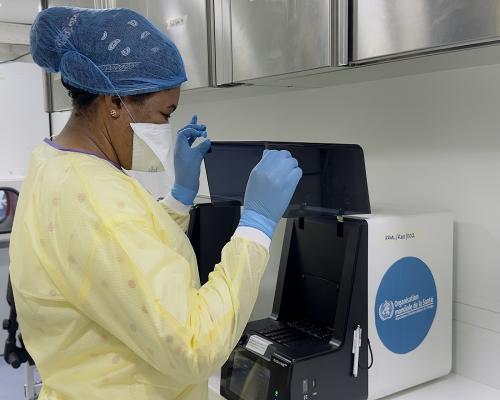
The Democratic Republic of the Congo (DRC) and Uganda have taken a pivotal step in strengthening their response to Ebola by establishing mobile diagnostic laboratories in high-risk border communities. This strategic move, announced by the World Health Organization (WHO) Regional Office for Africa, aims to accelerate early detection, reduce transmission risks, and improve outbreak containment in regions where cross-border mobility remains a significant challenge.
A Critical Shift in Ebola Surveillance
Ebola virus disease (EVD) continues to pose a persistent threat in Central and East Africa, with outbreaks frequently emerging in remote, hard-to-reach areas where healthcare infrastructure is limited. Historically, diagnostic capabilities have been concentrated in centralized treatment centers and reference laboratories, often located far from affected communities. This delay in testing has prolonged response times, allowing the virus to spread undetected before containment measures could be implemented.
The new initiative introduces portable diagnostic units to border towns and transit hubs, including areas along the DRC-Uganda border, one of the most active Ebola hotspots in recent years. By bringing testing closer to the source of potential outbreaks, health authorities can now detect cases within hours rather than days, a critical factor in preventing localized epidemics.
Technological and Logistical Innovations
The deployment of these mobile diagnostic laboratories leverages rapid antigen detection tests (RADTs) and reverse transcription-polymerase chain reaction (RT-PCR) machines, which can provide results in under 24 hours. These tools are designed to be user-friendly, requiring minimal technical expertise, allowing frontline healthcare workers to conduct tests in field settings without relying on centralized labs.
Additionally, the initiative includes:
– Training programs for local health workers on sample collection, testing protocols, and infection control measures.
– Cold chain logistics to ensure the stability of diagnostic reagents in high-temperature environments.
– Community engagement strategies to disseminate accurate information and reduce stigma associated with Ebola testing.
Border Communities at High Risk
The DRC-Uganda border region is particularly vulnerable due to:
– High population mobility, with thousands crossing daily for trade, agriculture, and social activities.
– Limited healthcare access, where many residents rely on traditional healers or informal clinics.
– Historical outbreaks, including the 2018-2020 Ebola epidemic in North Kivu and Ituri provinces, which spread across borders into Uganda.
By establishing testing sites in border towns such as Beni (DRC) and Kasese (Uganda), authorities can intercept cases before they cross into neighboring countries, preventing cross-border transmission—a major concern during past outbreaks.
Collaboration and Funding Support
The initiative is a joint effort between the DRC Ministry of Health, Uganda’s Ministry of Health, WHO, and international partners, including the African Centers for Disease Control and Prevention (Africa CDC) and non-governmental organizations (NGOs) specializing in infectious disease control.
Funding for the project has been secured through global health partnerships, including contributions from bilateral donors, philanthropic organizations, and the WHO’s Emergency Response Mechanism. The long-term goal is to scale this model across other high-risk border regions in Africa, where Ebola and other infectious diseases pose a constant threat.
Challenges and Future Outlook
While the initiative represents a significant advancement, several challenges remain:
– Sustaining funding for continuous operations, as mobile labs require regular supply chain management.
– Ensuring community trust, as misinformation and fear of testing can hinder participation.
– Maintaining data security, given the sensitive nature of Ebola surveillance information.
Despite these hurdles, the success of this pilot program could serve as a blueprint for future outbreak responses, demonstrating how decentralized diagnostics can revolutionize infectious disease control in resource-limited settings.
A Model for Regional Health Security
The DRC-Uganda initiative underscores the importance of regional cooperation in combating transboundary health threats. By integrating mobile diagnostics into border health systems, the two nations are not only protecting their own populations but also contributing to broader African health security.
As the WHO continues to advocate for stronger health systems across the continent, this approach highlights the critical role of innovation, collaboration, and community engagement in overcoming some of the most pressing challenges in global health.
Note: This initiative aligns with the WHO’s Strategic Preparedness and Response Plan for Ebola, emphasizing early detection, rapid response, and equitable access to diagnostics as cornerstones of outbreak control.
