

Understanding the Current Ebola Outbreak: A Comprehensive Overview
The Ebola virus disease (EVD) remains one of the most severe and rapidly evolving public health crises in recent years. As of the latest reports, the outbreak continues to unfold across multiple regions, with health authorities monitoring case counts closely. This article provides an in-depth look at the current situation, the affected areas, and the global response efforts led by organizations such as the Centers for Disease Control and Prevention (CDC).
Geographical Spread and Affected Regions
The Democratic Republic of the Congo (DRC), Uganda, and France have reported confirmed cases of Ebola, marking a significant expansion of the outbreak. Here’s a detailed breakdown of the affected regions:
- Democratic Republic of the Congo (DRC):
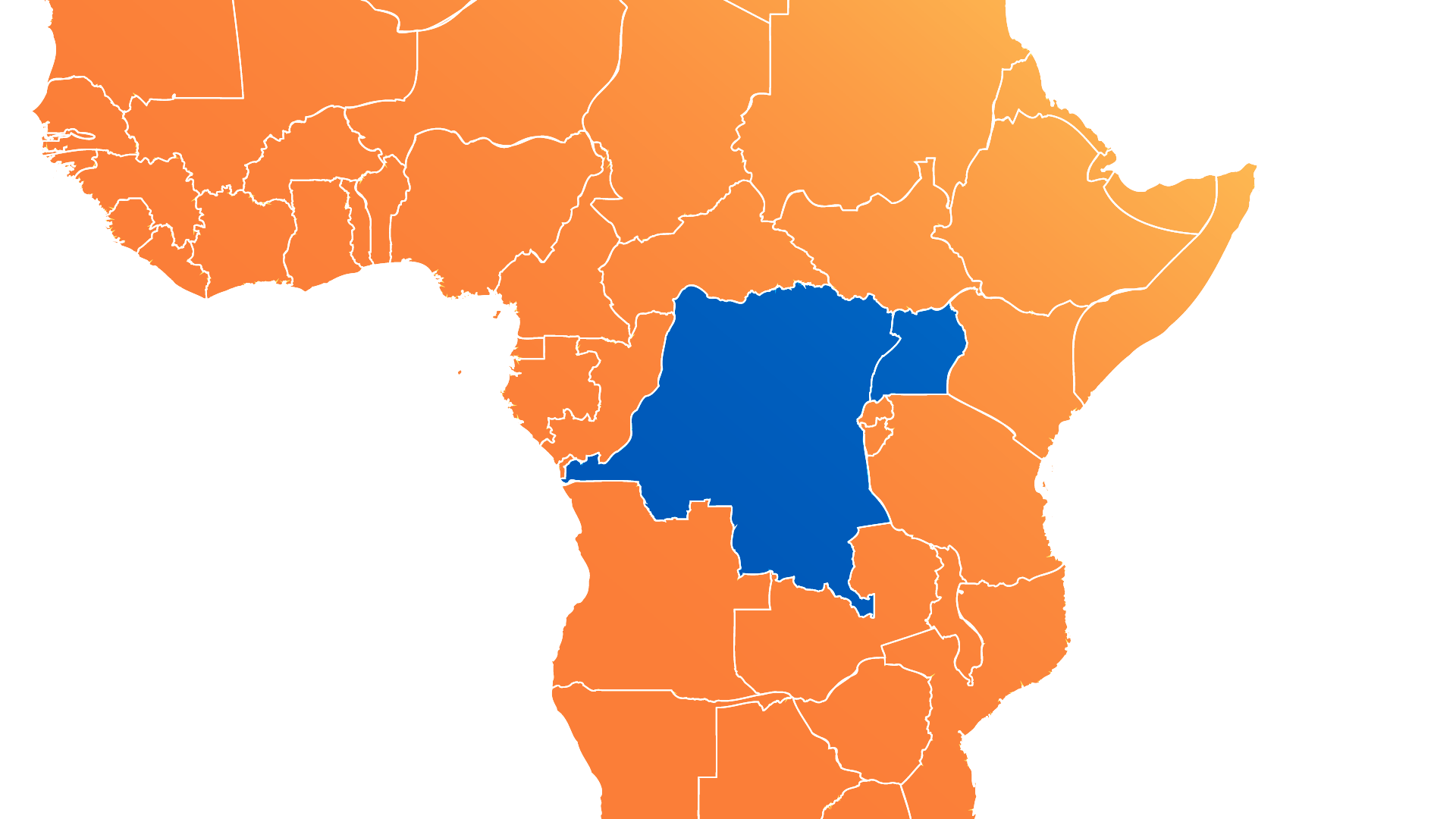
- The outbreak has been confirmed in three provinces: Ituri, Nord-Kivu, and Sud-Kivu.
- These regions have historically faced challenges in healthcare infrastructure, complicating response efforts.
- A map highlighting the affected provinces in the DRC, including Ituri, Nord-Kivu, and Sud-Kivu, where Ebola cases have been detected.
The DRC’s Ministry of Health (MOH) has been at the forefront of containment measures, including contact tracing, quarantine protocols, and vaccination campaigns. However, the remote nature of some affected areas has posed logistical hurdles.
- Uganda:
- Cases linked to the DRC outbreak have also emerged in Kampala, Uganda’s capital city.
- This marks the first time Ebola has been detected in Uganda’s urban center, raising concerns about potential community transmission.
- A visual representation of the cross-border spread of Ebola from the DRC to Uganda, emphasizing the risk of further transmission in Kampala.
Uganda’s Ministry of Health has activated emergency response teams to contain the outbreak, including enhanced surveillance at border crossings and public health awareness campaigns.
- France:
- While France has not reported local transmission, it has confirmed cases among individuals who traveled from the affected regions.
- The country’s health authorities are monitoring these cases closely and implementing quarantine measures for close contacts.
Global Response and CDC’s Role
The Centers for Disease Control and Prevention (CDC) is leading both domestic and international efforts to mitigate the outbreak and prevent its spread to the United States. Key actions include:
- International Deployment:
- Over 400 CDC personnel are actively involved in the response.
-
More than 120 CDC experts have been deployed to the affected countries to provide technical assistance, including:
- Epidemiological surveillance to track case counts and transmission patterns.
- Laboratory support for rapid diagnosis and confirmation of Ebola cases.
- Training for local health workers on infection control, patient care, and safe burial practices.
- Logistical coordination to ensure the delivery of medical supplies, personal protective equipment (PPE), and vaccines.
-
Domestic Preparedness:
- The CDC is working with U.S. airports, healthcare facilities, and public health agencies to detect and manage potential cases.
-
Guidance for travelers who have recently visited affected regions is available, including:
- Symptom monitoring for 21 days post-travel.
- Immediate medical evaluation if fever, fatigue, muscle pain, or other Ebola-related symptoms develop.
- Quarantine protocols for individuals who may have been exposed.
-
Preventive Measures:
- The CDC emphasizes public health precautions, such as:
- Avoiding contact with wild animals and bushmeat, which are known reservoirs for Ebola.
- Practicing strict hygiene, including handwashing and disinfection.
- Isolating and treating suspected cases promptly to prevent further transmission.
What Is Ebola Virus Disease?
Ebola virus disease (EVD) is caused by infection with one of the viruses belonging to the filovirus family, specifically the orthoebolaviruses. These viruses are endemic to sub-Saharan Africa, where they circulate in wildlife populations, particularly fruit bats, before occasionally jumping to humans.
Key Facts About Ebola:
- Transmission:
- Ebola spreads through direct contact with:
- Body fluids (blood, sweat, saliva, feces, urine) of infected individuals.
- Contaminated surfaces or objects (e.g., needles, clothing).
- Burial rituals involving direct contact with the deceased.
-
Not airborne: Ebola is not transmitted through casual contact, such as shaking hands or sharing air.
-
Symptoms:
- Initial symptoms appear 2 to 21 days after exposure and include:
- Sudden onset of fever (often ≥38°C or 100.4°F).
- Severe headache, fatigue, and muscle pain.
- Sore throat, vomiting, diarrhea, and abdominal pain.
- Rash, red eyes, and internal bleeding in advanced cases.
-
Case fatality rates vary but can reach up to 90% in some outbreaks, depending on access to medical care.
-
Diagnosis and Treatment:
- Diagnosis relies on laboratory tests, including:
- PCR (Polymerase Chain Reaction) to detect viral RNA.
- Antibody tests to identify immune response.
- Virus isolation in specialized labs.
- Treatment focuses on supportive care, such as:
- Rehydration (oral or intravenous fluids).
- Pain and fever management.
- Blood pressure support for severe cases.
- Experimental therapies, such as monoclonal antibodies and vaccines, are being tested in clinical trials.
Why This Outbreak Is a Cause for Concern
Several factors contribute to the urgency of the current Ebola outbreak:
- Cross-Border Transmission:
- The spread from the DRC to Uganda’s Kampala highlights the risk of regional transmission, particularly in densely populated urban areas.
-
Weakened healthcare systems in some border regions may exacerbate the crisis.
-
Community Resistance:
- In some affected areas, misinformation and distrust of health authorities have hindered response efforts.
-
Traditional burial practices and cultural beliefs may increase the risk of exposure.
-
Global Travel Risks:
- The international travel network poses a theoretical risk of Ebola reaching new countries.
-
While no cases have been confirmed outside Africa (except in travelers), vigilance is critical.
-
Resource Constraints:
- The DRC and Uganda are already facing humanitarian crises, including conflict and displacement, which strain healthcare resources.
- Donor fatigue and funding gaps may limit the scale of the response.
What Can Be Done to Prevent Further Spread?
Both individuals and governments play a crucial role in containing Ebola:
For Travelers:
- Avoid non-essential travel to high-risk areas, including the DRC, Uganda, and other regions with active outbreaks.
- Follow CDC travel advisories and register with the STEP Program (Smart Traveler Enrollment Program) for emergency alerts.
- Monitor health status for 21 days post-travel and seek medical attention if symptoms develop.
For Public Health Authorities:
- Strengthen surveillance at borders and in high-risk communities.
- Invest in healthcare infrastructure, including training for frontline workers.
- Promote community engagement to address misinformation and build trust.
- Accelerate vaccine distribution, including the Ervebo vaccine, which has shown efficacy in preventing Ebola.
For Global Health Organizations:
- Coordinate cross-border response efforts to prevent localized outbreaks from becoming regional crises.
- Allocate resources to support affected countries in their containment strategies.
- Share best practices in infection control, treatment, and public health messaging.
The Road Ahead: Challenges and Hope
While the current Ebola outbreak presents significant challenges, advances in medicine, surveillance, and global cooperation offer cause for optimism. Key developments include:
- Vaccine Rollout:
- The rVSV-ZEBOV vaccine (Ervebo) has been prequalified by the World Health Organization (WHO), providing a critical tool for ring vaccination strategies.
-
Second-generation vaccines are in development, with potential for broader protection.
-
Improved Diagnostics:
- Rapid diagnostic tests (RDTs) are being deployed in the field to accelerate case confirmation.
-
Genomic sequencing helps track viral mutations and guide public health responses.
-
Innovative Treatment Approaches:
- Monoclonal antibodies (e.g., REGN-EB3) and convalescent plasma therapy are showing promise in clinical trials.
- Supportive care improvements in Ebola Treatment Units (ETUs) are saving more lives.
Conclusion: A Call to Action
The Ebola outbreak in the DRC, Uganda, and beyond remains a dynamic and evolving situation. While progress has been made, prevention, early detection, and rapid response are essential to curb the spread. The CDC, WHO, and local health authorities are leading the charge, but global solidarity is needed to address this crisis effectively.
For the latest updates, monitor official sources such as the CDC, WHO, and national health ministries. Stay informed, follow public health guidelines, and support efforts to protect vulnerable communities from this devastating disease.
Note: This situation is rapidly evolving, and case counts may change. Always refer to real-time updates from trusted health organizations for the most accurate information.
