

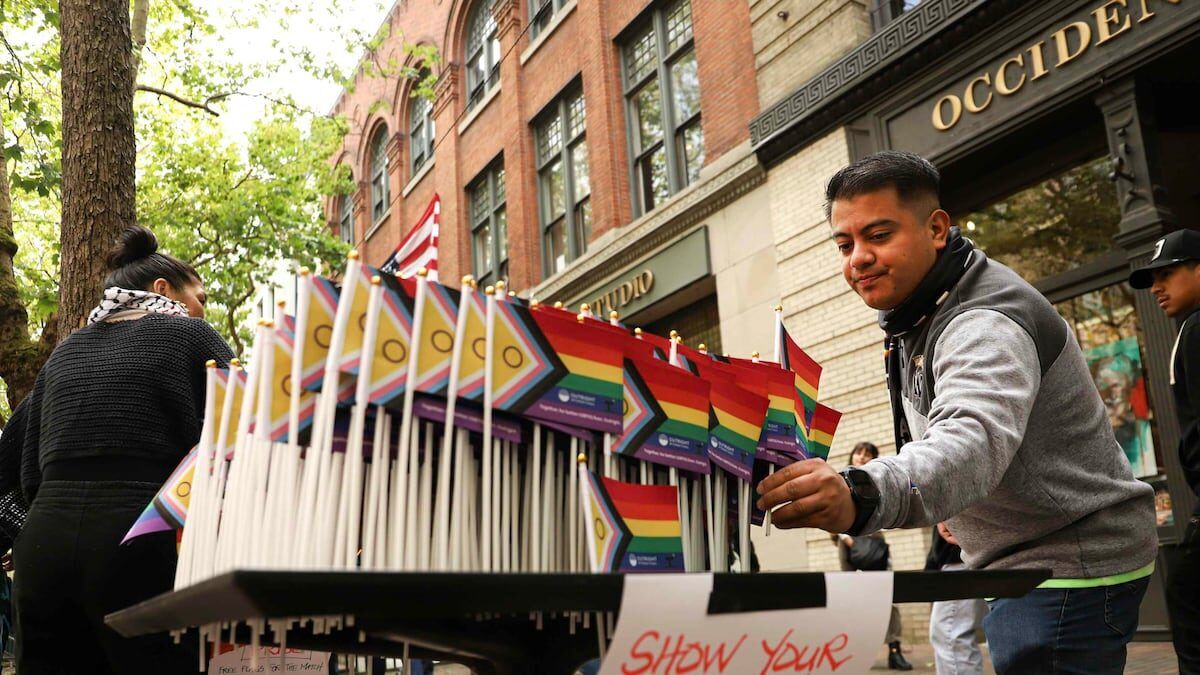
The 2022 FIFA World Cup in Qatar was always destined to be more than just a sporting spectacle. As nations clashed on the field, tensions simmered off it—nowhere more so than in Seattle, where an Egypt-Iran match became a microcosm of geopolitical rivalry, cultural pride, and public protest. The city’s vibrant community, deeply divided yet united in its passion for football, transformed the stadium into a battleground of emotions, where chants of solidarity clashed with slogans of dissent.
A Match Rooted in Historical and Political Tensions
The encounter between Egypt and Iran was not merely a football game; it was a symbolic confrontation between two nations with centuries of complex history. Egypt, a regional powerhouse with deep cultural ties to the Arab world, faced off against Iran, a Shia-majority nation with its own distinct geopolitical ambitions. The rivalry extended beyond the pitch, rooted in historical conflicts, ideological differences, and competing regional influences.
For many in Seattle’s diverse expatriate communities—particularly those of Egyptian, Iranian, and broader Middle Eastern descent—the match was an opportunity to express national identity. Fans arrived with flags, banners, and chants, their voices echoing through the stadium. Yet, the atmosphere was far from uniform. While some supporters celebrated their heritage with pride, others used the occasion to voice political grievances, turning the event into a platform for activism.
Protests and Counter-Protests: The Dual Nature of Public Expression
Seattle’s public spaces, including the stadium and surrounding areas, became arenas for protest. Activists from various backgrounds—including human rights advocates, anti-war campaigners, and supporters of Palestinian causes—took to the streets, demanding attention for issues ranging from Iran’s human rights record to the ongoing conflict in Gaza.
One of the most notable demonstrations occurred outside the stadium, where protesters held signs criticizing Iran’s government. Their messages were clear: calls for democracy, condemnation of repression, and solidarity with marginalized groups within Iran. Meanwhile, counter-protests emerged, with some supporters of Iran’s regime or its allies defending the country’s actions, leading to heated exchanges.
The tension was palpable. Security measures were heightened, with law enforcement monitoring the crowds to prevent escalation. Yet, the protests were not merely disruptive—they were a testament to the power of public dissent in a globalized world. The match, in this sense, became a catalyst for broader conversations about freedom, justice, and the role of sports in politics.
The Role of Diaspora Communities
Seattle’s Middle Eastern and North African (MENA) diaspora played a pivotal role in shaping the event’s dynamics. The city is home to one of the largest concentrations of Egyptian and Iranian expatriates in the U.S., many of whom had migrated for education, work, or political reasons. For these communities, the World Cup match was a rare opportunity to connect with their homeland, even if virtually.
Egyptian fans, in particular, were vocal in their support for their national team, donning green and white attire and singing patriotic songs. Their presence was a reminder of the enduring cultural ties that transcend borders. Similarly, Iranian supporters, though a smaller contingent, brought their own traditions—some wearing black in solidarity with political prisoners, others displaying the colors of the Iranian flag.
Yet, the diaspora’s involvement was not without controversy. Some activists argued that the focus on national pride overshadowed the human rights crises in both countries. Others pointed out the hypocrisy of celebrating football while ignoring the suffering of civilians in war zones. The debate highlighted the complex relationship between identity, politics, and public expression.
Security and Law Enforcement Challenges
The presence of protesters and counter-protesters posed significant challenges for law enforcement. Authorities had to balance the right to free speech with the need to maintain public order. Police were deployed in large numbers, using a mix of surveillance, crowd control tactics, and diplomatic engagement to manage the situation.
One of the key concerns was the potential for violence. In past World Cup events, clashes between opposing fan groups had led to altercations, injuries, and even arrests. Seattle’s organizers took precautions, including restricted access to certain areas and heightened security at entry points. However, the sheer unpredictability of public demonstrations made it difficult to prevent all incidents.
Despite these measures, the event proceeded largely without major incidents. The majority of attendees, whether fans or protesters, did so peacefully, though the underlying tensions remained a constant reminder of the political undercurrents at play.
The Broader Implications: Sports as a Political Stage
The Egypt-Iran match in Seattle was more than a football game—it was a reflection of how global events intersect with local politics. Sports, particularly high-profile tournaments like the World Cup, have long been used as platforms for political messaging. From the 1978 World Cup in Argentina, where the military junta used the tournament to project national unity, to the 2018 FIFA World Cup in Russia, where human rights abuses were often overlooked, the relationship between sports and politics is well-documented.
In Seattle, the match underscored the idea that even in a neutral venue, national rivalries and ideological conflicts cannot be entirely contained. The protesters’ presence forced a reckoning with the ethical responsibilities of hosting such events. Should stadiums be spaces for unbridled nationalistic expression, or should they also serve as forums for dissent and accountability?
Cultural Exchange Amidst Conflict
Despite the tensions, there were moments of unexpected unity. Some fans from opposing nations engaged in respectful dialogue, recognizing that, beneath the political divisions, they shared a love for the game. Others participated in solidarity chants, calling for peace rather than conflict. These instances reminded observers that, even in the most polarized moments, there is always room for human connection.
Additionally, the match provided an opportunity for cultural exchange. Iranian and Egyptian cuisine, music, and traditions were on display, offering a glimpse into the rich heritage of both nations. Food stalls outside the stadium served dishes like koshari (Egypt’s national dish) and kebabs, while live performances of traditional music added to the cultural tapestry.
The Aftermath: Reflections on a Divided but Passionate City
As the match concluded, Seattle’s streets returned to a sense of normalcy—but the conversations it sparked were far from over. The event had laid bare the city’s divisions, yet also its capacity for passionate debate and collective expression.
For many, the experience was a reminder of how deeply sports can intersect with politics. Whether one supported Egypt, Iran, or neither, the match had forced a confrontation with the realities of global conflict. It had also highlighted the importance of using public spaces—even those dedicated to entertainment—as platforms for dialogue, protest, and reflection.
In the weeks that followed, discussions continued online and in community spaces. Some called for greater accountability from governments involved in human rights abuses. Others argued for the need to separate sports from politics entirely. Whatever the outcome, one thing was clear: Seattle’s Egypt-Iran World Cup match would be remembered not just for the score on the field, but for the stories, protests, and emotions that unfolded beyond it.
Conclusion: A Moment of Global Significance
The clash between Egypt and Iran in Seattle was a microcosm of the broader tensions shaping the modern world. It demonstrated how a single sporting event could become a battleground for national pride, political activism, and cultural identity. As the World Cup drew to a close, the lessons from Seattle’s match would linger—reminding us that, in an era of global connectivity, the lines between sports, politics, and public life are increasingly blurred.
For those who witnessed it firsthand, the experience was unforgettable. For those who followed from afar, it served as a stark reminder of how deeply personal and political football can be. In the end, the match was not just about winning or losing—it was about the power of collective expression, the weight of history, and the enduring human desire to connect, protest, and celebrate.
