

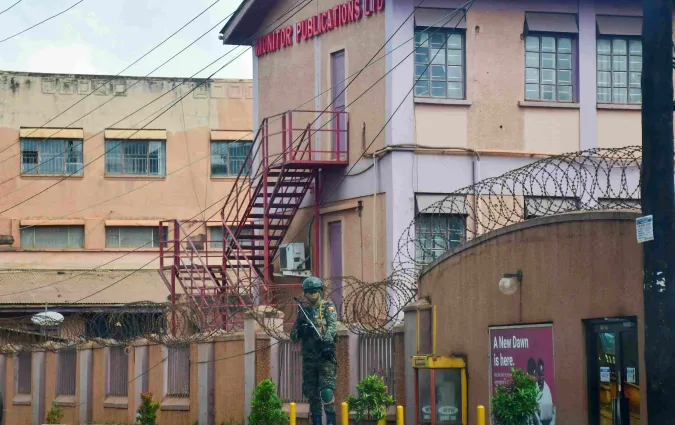
For decades, East Africa’s most prominent newsroom has stood as a cornerstone of investigative journalism, shaping public discourse, holding power to account, and defining the region’s media landscape. However, the recent closure of this institution marks the end of an era—one that has left an indelible imprint on the continent’s political, social, and cultural narratives. The decision, announced after years of financial strain and shifting industry dynamics, signals not only the loss of a vital voice but also the broader challenges facing journalism in a rapidly evolving digital age.
A Legacy of Journalistic Excellence
Founded in the mid-20th century, this newsroom emerged as a beacon of independent reporting in a region where media freedom has long been a contentious issue. Its influence extended far beyond its physical walls, with a reputation for fearless investigative journalism that exposed corruption, human rights abuses, and systemic failures across East Africa. From uncovering high-profile scandals in government circles to documenting the struggles of marginalized communities, the institution became synonymous with accountability.
One of its most enduring contributions was its role in amplifying voices that were often silenced by political elites. During periods of authoritarianism and repression, the newsroom served as a critical counterbalance, ensuring that citizens remained informed despite attempts to suppress dissent. Its reporting on conflicts, elections, and economic policies frequently influenced public opinion and, in some cases, spurred policy changes.
The Financial and Operational Struggles
Despite its historical significance, the institution faced mounting financial pressures in recent years. The decline of print media, coupled with the rise of digital platforms and social media, eroded traditional revenue streams. Advertising budgets shrank as corporations shifted spending to online channels, while subscription models struggled to sustain the high costs of investigative journalism.
Compounding these challenges were operational inefficiencies and leadership transitions that left the organization adrift. A series of editorial and financial missteps, including layoffs and reduced coverage, weakened its once-unassailable position. The COVID-19 pandemic further exacerbated difficulties, as advertising revenue plummeted and staffing levels were slashed to cut costs.
The Impact on East African Journalism
The closure of this newsroom is a stark reminder of the fragility of independent media in the region. East Africa has long grappled with media restrictions, with some governments imposing censorship, harassment, and legal threats against journalists. The loss of such a prominent institution risks creating a media landscape dominated by state-aligned outlets or corporate interests, where critical reporting may be further stifled.
For journalists who once worked under its banner, the closure represents a professional upheaval. Many will seek opportunities elsewhere, but the brain drain could weaken the region’s collective capacity for rigorous journalism. Smaller outlets and independent reporters may struggle to fill the void left by the institution’s departure, particularly in areas where investigative work is most needed.
The Future of East African Media
As the newsroom’s final edition is published, the question remains: What does the future hold for journalism in East Africa? The decline of traditional media does not necessarily signal the end of quality reporting, but it does necessitate innovation. Digital-first models, crowdfunding, and strategic partnerships with international organizations could help sustain independent journalism. However, these solutions require sustained investment and a commitment to media freedom at both the corporate and governmental levels.
Governments in the region must also recognize the vital role journalism plays in democratic societies. Instead of viewing media outlets as adversaries, they should foster an environment where investigative reporting is encouraged—not just tolerated. This includes protecting journalists from harassment, ensuring access to information, and supporting public broadcasting initiatives that prioritize citizen engagement.
A Call to Preserve Journalistic Integrity
The end of this era is not just a loss for East Africa; it is a loss for global journalism. The institution’s legacy reminds us of the power of the press to challenge the status quo and hold those in power accountable. As the media landscape continues to evolve, the lessons from its journey—both its triumphs and its struggles—offer valuable insights for the future.
For now, the region must grapple with the reality of a diminished media voice. Yet, the spirit of investigative journalism lives on in the work of those who follow in its footsteps. The challenge now is to ensure that the torch is passed to a new generation of reporters who are equally committed to truth, transparency, and the public’s right to know.
