

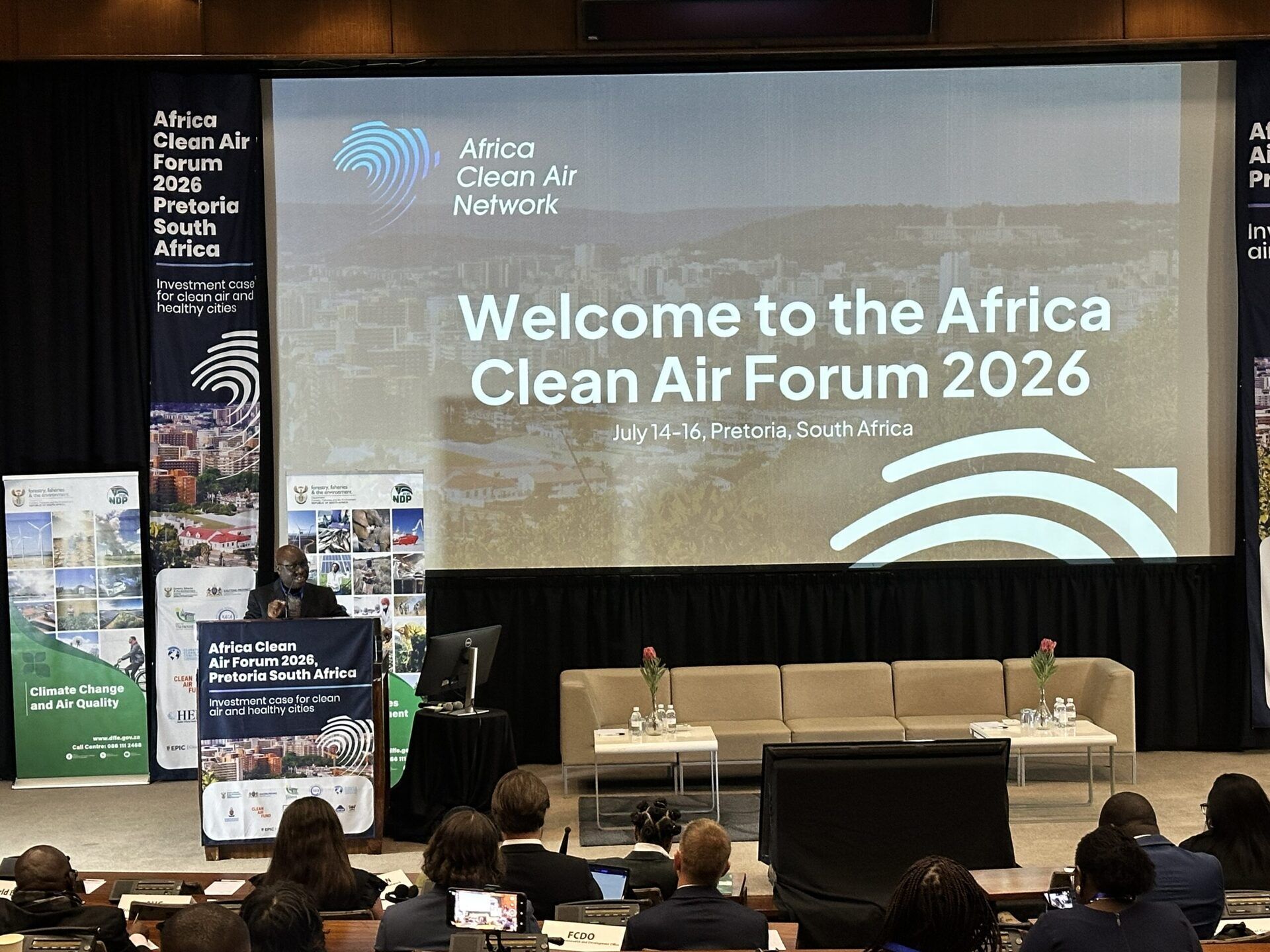
Africa’s Clean Air Revolution: Uniting Nations to Combat a Silent Health Crisis
PRETORIA, South Africa — The Africa Clean Air Forum (ACAF) 2024, convened by the Africa Clean Air Network (AfriCAN), has brought together delegates from 47 African nations for an unprecedented four-day summit focused on clean air and sustainable urban development. Held for the first time in southern Africa, this year’s forum marks the largest gathering of its kind, with over 530 participants, including scientists, city planners, policy experts, and grassroots advocates. The event underscores Africa’s growing commitment to addressing air pollution, a silent yet devastating public health threat that disproportionately affects the continent’s rapidly expanding population.
A Strategic Imperative: Clean Air as a Development Priority
The theme of this year’s forum—“Investment Case for Clean Air and Healthy Cities”—highlights the economic, social, and environmental stakes of improving air quality across the continent. With Africa’s population projected to double from 1.5 billion to 2.5 billion by 2050, the challenge of sustainable urbanization has never been more pressing. Rapid industrialization, vehicular emissions, and traditional biomass cooking—particularly in rural areas—contribute to chronic air pollution, linked to respiratory diseases, cardiovascular illnesses, and premature mortality.
The forum follows the G20’s historic resolution on clean air, proposed by South Africa during its 2023 presidency. This resolution, the first of its kind, acknowledged air pollution as a global health emergency and emphasized the need for transparent air quality data and international collaboration to combat transboundary pollution. However, as Bernice Swarts, South Africa’s Deputy Minister of Forestry, Fisheries and the Environment, noted during the opening session, the resolution’s success hinges on specific, actionable outcomes:
“We cannot afford vague commitments. The collaboration we envision must be measurable, targeted, and aligned with tangible improvements in air quality. The investments we make today will shape the health and prosperity of future generations.”
Despite high-level political endorsement, the forum itself was led by technical experts, city officials, and activists, reflecting the grassroots nature of the challenge. While no Cabinet ministers or heads of state attended, the participation of provincial governors, environmental agency heads, and urban planners underscores the decentralized yet coordinated approach required to tackle pollution at local, national, and continental levels.
Indoor Air Pollution: The Invisible Crisis in Sub-Saharan Africa
One of the most underreported yet devastating forms of air pollution in Africa is indoor air contamination, primarily driven by biomass fuels—wood, charcoal, and dung—used for cooking and heating in over 80% of rural households. The World Health Organization (WHO) estimates that indoor air pollution causes nearly 400,000 premature deaths annually in Africa, with women and children bearing the brunt of exposure.
Xoli Fuyani, a campaigner with Black Girls Rising, a South African non-profit, shared a poignant example of this reality:
“I once visited a traditional mud hut where a fire was lit for tea. The smoke was so thick that I could barely breathe. My hosts dismissed it as ‘normal’—something their grandmothers had always endured. But how long can we accept this as inevitable? Transformation begins when communities see themselves as innovators, not just passive recipients of change.”
Fuyani’s call for community-led air quality management resonates across Africa, where traditional practices often clash with modern health standards. The challenge lies in balancing cultural norms with public health imperatives, requiring behavioral change campaigns, alternative fuel subsidies, and improved ventilation in homes.
South-South Collaboration: Learning from Each Other’s Struggles
While Global North funding and technology remain critical, the forum emphasized the importance of South-South cooperation—where developing nations share lessons, innovations, and best practices without relying solely on external aid. Rebecca Garland, a researcher from the University of Pretoria, warned against over-reliance on Northern donors, cautioning that such partnerships often come with hidden agendas or conditional support that may not align with Africa’s priorities.
Instead, the forum highlighted successful models of regional collaboration:
- Kampala, Uganda’s Hyperlocal Air Quality Monitoring
- Sharifah Buzeki, Executive Director of the Kampala Capital City Authority, presented the city’s real-time air quality tracking system, which uses low-cost sensors, mobile apps, and public digital screens to disseminate pollution data. Officials from Dhaka, Bangladesh—one of the world’s most polluted capitals—visited Kampala to study its transparency-driven enforcement strategies.
-
“Our approach combines data accessibility with public awareness,” Buzeki explained. “By making pollution trends visible to citizens, we hold industries and individuals accountable.”
-
Nairobi, Kenya’s Rapid Expansion of Air Quality Sensors
- Nairobi’s Environmental Management and Coordination Authority (EMCA) transformed its air monitoring network from just two sensors in 2020 to over 130 today, enabling precise pollution mapping. Researchers revealed that peak pollution occurs between 6–9 AM and 6–9 PM, correlating with rush-hour traffic and household activities.
-
The data has led to enhanced enforcement, with authorities now inspecting vehicles, factories, and construction sites based on real-time pollution hotspots. A study of 40 schools found that all exceeded the WHO’s safe limit of 5 µg/m³ for PM2.5 (fine particulate matter), prompting school-based mitigation strategies.
-
Beyond Cities: Rural Innovations in Biomass Alternatives
- Delegates from Ethiopia and Rwanda shared progress in promoting cleaner cooking stoves, such as improved biomass cookstoves and solar-powered heating systems. These interventions, while incremental, reduce indoor pollution by up to 50% and lower deforestation rates.
The Economic Case for Clean Air: Investing in a Healthier Future
The forum’s discussions underscored that clean air is not a luxury—it is an economic necessity. The World Bank estimates that air pollution costs Africa $150 billion annually in healthcare expenses, lost productivity, and reduced economic growth. Conversely, investments in clean energy, public transport, and pollution control yield long-term dividends:
- Healthcare Savings: Reducing PM2.5 exposure by 10 µg/m³ could prevent millions of premature deaths and lower healthcare burdens by billions of dollars.
- Productivity Gains: Cleaner air improves workplace efficiency, particularly in agriculture and manufacturing, where outdoor labor is prevalent.
- Tourism and Investment: Cities with improved air quality (e.g., Cape Town, Johannesburg) attract more foreign direct investment (FDI) and eco-tourism.
Tunde Ajayi, Director of the Lagos State Environmental Protection Agency (LASEPA) and a key AfriCAN leader, framed the urgency:
“This is not just about policy—it’s about saving lives and building economies. The investments we make today in renewable energy, public transport, and industrial regulation will determine whether Africa’s cities become pollution hotspots or global models of sustainability.”
The Path Forward: Policy, Innovation, and Community Engagement
The Africa Clean Air Forum 2024 concluded with five key actionable commitments to guide the continent’s clean air agenda:
- Expanding Air Quality Monitoring Networks
- Goal: Deploy 1,000+ low-cost sensors across African cities by 2026, with real-time public dashboards in major urban centers.
-
Challenge: Secure regional funding pools to sustain long-term data collection.
-
Accelerating Biomass Fuel Alternatives
- Goal: Replace 50% of traditional biomass cooking with cleaner stoves or renewable energy in rural households by 2030.
-
Challenge: Subsidize affordable alternatives while ensuring cultural acceptance.
-
Strengthening Cross-Border Pollution Control
- Goal: Establish regional air quality treaties (e.g., Southern African Development Community (SADC) Clean Air Pact) to address transboundary smoke and industrial emissions.
-
Challenge: Align national environmental laws without stifling economic growth.
-
Integrating Clean Air into Urban Planning
- Goal: Mandate pollution impact assessments in new infrastructure projects (roads, factories, construction sites).
-
Challenge: Train city planners and engineers in low-emission design principles.
-
Empowering Communities as Change Agents
- Goal: Launch grassroots clean air clubs in 100 cities by 2025, where residents monitor, report, and advocate for better air quality.
- Challenge: Sustain local leadership without external dependency.
Conclusion: A Continental Movement for a Healthier Tomorrow
The Africa Clean Air Forum 2024 has set a new benchmark for the continent’s environmental governance, proving that clean air is achievable through collaboration, innovation, and political will. While challenges remain—funding gaps, cultural resistance, and rapid urbanization—the forum’s unprecedented participation signals a shift in Africa’s development narrative.
As Ajayi emphasized:
“Clean air is the foundation of human dignity. It allows children to breathe, workers to thrive, and economies to grow. The investments we make now will not only save lives but also define Africa’s legacy to future generations.”
With policy frameworks in place, regional cooperation strengthening, and grassroots movements gaining momentum, Africa is poised to lead the global fight against pollution—proving that sustainable development is not a distant dream, but a tangible reality.
