

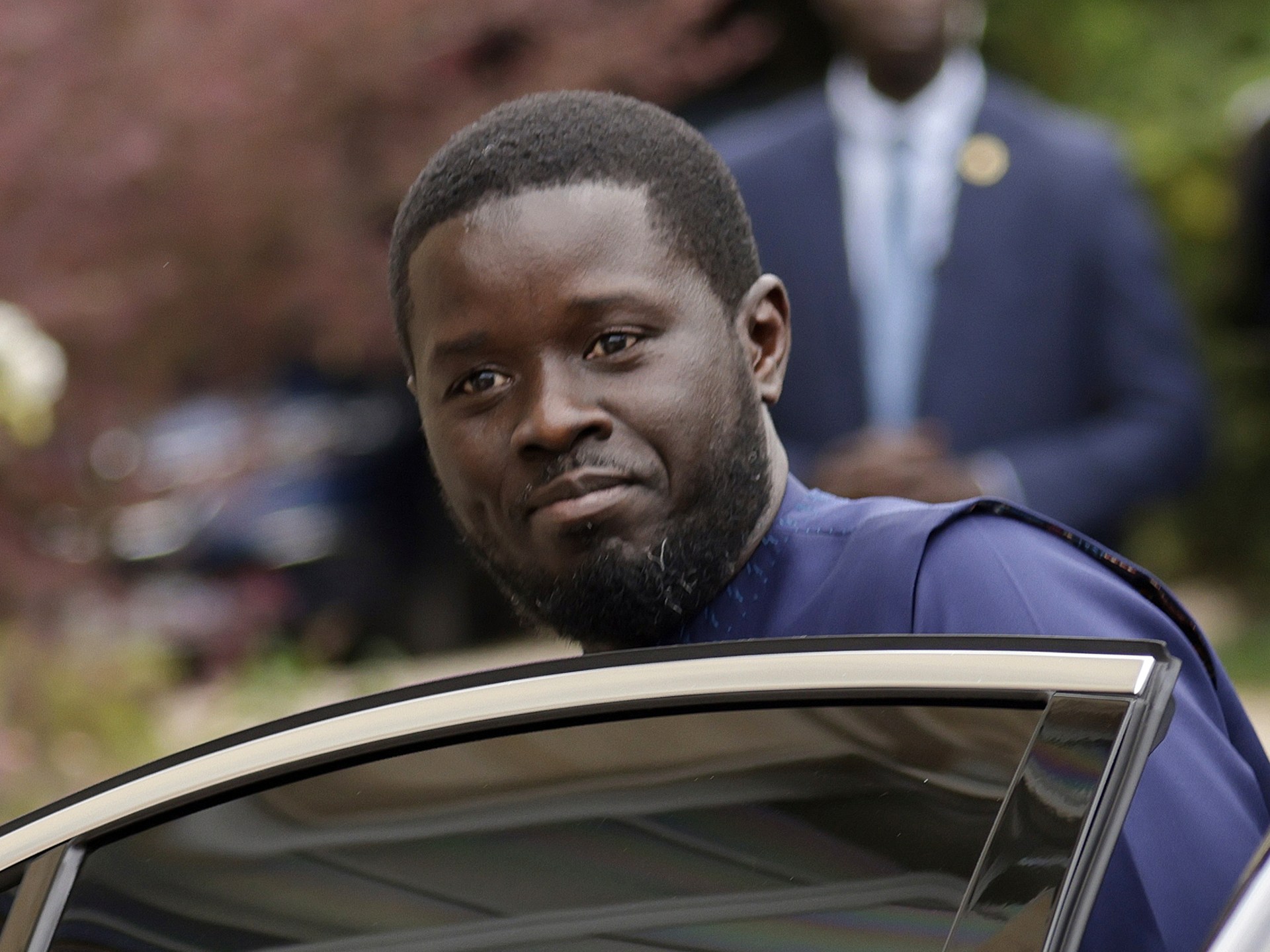
Senegal’s political landscape has undergone a seismic shift following the formal establishment of Kiiraay-The Republican Patriots, a new political movement launched by President Bassirou Diomaye Faye to solidify his break from former ally Ousmane Sonko. The split, rooted in months of escalating tensions over governance, economic policy, and institutional direction, threatens to destabilize the reformist coalition that propelled both men to power in the 2024 presidential election. As Faye consolidates his political base, the consequences of this rupture extend beyond party dynamics, raising critical questions about Senegal’s economic trajectory, regional influence, and democratic stability.
The Genesis of a Political Divide
The fracture between Faye and Sonko traces back to their shared origins within the African Patriots of Senegal for Work, Ethics, and Fraternity (PASTEF), a movement that emerged as a formidable opposition force against the long-standing rule of President Macky Sall. Sonko, a charismatic figure known for his anti-corruption crusade and economic sovereignty rhetoric, became the face of PASTEF’s grassroots mobilization. His arrest in 2023 and subsequent trial—widely perceived as politically motivated—fueled public outrage and bolstered his support among young, disillusioned voters.
When Sonko was barred from running in the 2024 election due to legal constraints, PASTEF strategically nominated Faye, positioning him as the movement’s successor under the slogan “Diomaye is Sonko.” Faye’s victory in a closely contested race marked the beginning of a fragile alliance. Initially, the partnership appeared stable: Faye assumed the presidency, while Sonko was appointed prime minister, tasked with steering the government’s economic and social reforms.
However, cracks in the alliance became apparent almost immediately. Disputes over economic policy, cabinet appointments, and the pace of reform escalated into open conflict. The government’s sudden revelation of previously undisclosed public debt—amounting to billions of dollars—exacerbated tensions. The revelation forced Senegal to confront international lenders and implement austerity measures, a decision that clashed with Sonko’s populist stance on economic sovereignty.
The Final Breaking Point: Dismissal and Dissolution
The political rupture reached its climax in late May 2024, when Faye fired Sonko as prime minister and dissolved the cabinet. The move was framed as a necessity to restructure the government and align policies with fiscal responsibility. However, Sonko and his supporters interpreted it as a betrayal of PASTEF’s principles, particularly its commitment to economic justice and anti-austerity measures.
In response, Sonko announced PASTEF’s withdrawal from the governing coalition, effectively severing the last remnants of the alliance. The dissolution of the cabinet left Senegal without a functional government, plunging the nation into political paralysis just as it grappled with rising inflation, unemployment, and debt servicing pressures.
Kiiraay-The Republican Patriots: A New Political Identity
On Saturday, June 2024, Faye formally launched Kiiraay-The Republican Patriots, positioning it as a non-personality-driven movement rooted in institutional reform. Speaking to supporters in Dakar, Faye emphasized the party’s inclusive, meritocratic ethos, declaring:
“Kiiraay is an open house—it belongs to young people, women, farmers, fishermen, teachers, health workers, the diaspora, and every citizen committed to serving the republic.”
He further stressed that political office should be a duty, not a reward, and that transparency and ethics would underpin the party’s governance. The name Kiiraay (meaning “patriot” in Wolof) symbolizes a return to Senegal’s revolutionary heritage, while “The Republican Patriots” underscores a commitment to constitutional governance.
Yet, the challenge for Faye is immense. Kiiraay’s success hinges on its ability to replicate PASTEF’s grassroots reach, a network that Sonko built over years of activism. Without this foundation, Faye risks alienating the very voters who propelled him to power. Analysts warn that Sonko’s enduring popularity—particularly among youth and urban professionals—could make Kiiraay’s consolidation difficult.
Economic and Regional Implications
The political split arrives at a critical juncture for Senegal’s economy. The government is under intense pressure to:
– Restore investor confidence after the debt revelation.
– Implement structural reforms to attract foreign capital, particularly in oil, gas, and mining sectors.
– Create jobs amid a youth unemployment rate exceeding 20%.
– Negotiate with the IMF and World Bank for debt restructuring while avoiding austerity backlash.
Kabir Adamu, a Sahel security analyst, cautioned that the rupture could have far-reaching consequences, including:
“A legislative deadlock that stifles governance, economic instability, and potential erosion of Senegal’s regional leadership within ECOWAS. The president’s ability to fulfill ECOWAS’s expectations—particularly in stabilizing the Sahel—is now compromised by domestic infighting.”
Similarly, Mubarak Aliyu, a West Africa political risk analyst, highlighted the timing of the split as particularly perilous:
“Senegal is in a debt crisis where hesitation is unaffordable. The policy paralysis between Sonko’s economic sovereignty demands and Faye’s austerity push could paralyze fiscal decision-making at the worst possible moment. This is not just a political fight—it’s a crisis of governance that could derail recovery efforts.”
Sonko’s Counter-Movement: The Loyalty Factor
While Faye seeks to redefine the reformist narrative, Sonko remains a polarizing but influential figure. His decision to lead PASTEF into opposition rather than dissolve it suggests he intends to reposition the movement as the true champion of anti-establishment change.
Sonko’s base—young, urban, and disaffected by traditional politics—continues to view him as the voice of economic justice. His anti-corruption campaigns and populist economic policies resonate deeply, particularly in Dakar and other major cities. Without Sonko, PASTEF risks losing its mobilization edge, but with him, it becomes a direct political opponent to Faye’s administration.
The Stakes for Senegal’s Future
For many Senegalese, the real test of this political schism will not be ideological purity but deliverable results. The 2024 election promises—job creation, anti-corruption, and equitable wealth distribution—remain unfulfilled, and the public is increasingly impatient.
Benjamin Dwomoh-Doyen, executive director of the African Chamber of Content Producers (ACCP), urged leaders to prioritize national unity:
“Senegal has long been a model of democratic stability in West Africa. This rupture risks diverting energy from governance and regional stability. The leadership must ask itself: Is political rivalry worth sacrificing the welfare of the people? The continent needs Senegal to lead by example, not by division.”
A Nation at a Crossroads
The Faye-Sonko split is more than a personal or party feud—it is a test of Senegal’s democratic resilience. The coming months will determine whether:
– Kiiraay can build a sustainable political machine independent of PASTEF’s legacy.
– Sonko’s opposition can sustain momentum without his direct leadership.
– The government can navigate economic reforms without further destabilization.
– Regional and international partners will continue to support Senegal amid domestic turmoil.
One thing is certain: Senegal’s political future will be shaped by how these two factions—once united in their opposition to the old guard—now compete for the hearts and minds of a nation eager for change but weary of division.
