

A Temporary Truce, But Escalation Looms: US Halts Strikes Against Iran Amid Rising Regional Instability
The past week has witnessed a volatile shift in the US-Iran conflict, marked by a sudden pause in military operations, sharp declines in oil prices, and escalating proxy wars across the Middle East. While the United States has reportedly halted its bombing campaign against Iranian targets—following nearly two weeks of near-daily strikes—regional tensions remain dangerously high. Shipping through critical chokepoints like the Strait of Hormuz and Bab al-Mandeb has slowed dramatically, raising concerns about global energy security and economic stability. Meanwhile, Iran-backed militias in Iraq and Yemen have intensified attacks on Saudi Arabia, while Ukraine’s strikes on Iranian vessels in the Caspian Sea have ignited a new front in the broader geopolitical confrontation.
Oil Prices Plummet as Hostilities Pause, But Risks Persist
Global oil markets experienced a 6.7% drop on Monday, with Brent crude trading at $90 per barrel—its lowest level in weeks—as the US and Iran appeared to have paused their military exchanges for the third consecutive day. However, analysts warn that the lull may be fragile, given the prolonged disruptions in shipping lanes and the unresolved threat of proxy conflicts.
Shipping Through Critical Straits Grinds to a Halt
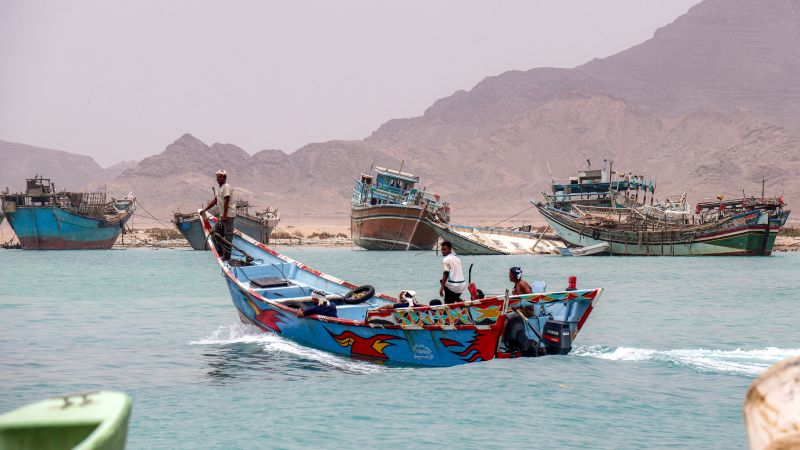
Maritime intelligence firm Marisks reported that all 58 non-Iranian vessels transiting the Strait of Hormuz over the weekend adhered to the Iran-designated northern route, avoiding the US-backed southern corridor near Oman’s coast. Of the 78 total vessels observed, 20 were Iranian-flagged, while no commercial ships used the alternative route promoted by Washington.
“The only movements near the southern side are local UAE craft and offshore support vessels—no international merchant transits,” Marisks stated, highlighting Iran’s de facto control over the world’s most vital shipping lane.
Similarly, Windward, another maritime intelligence firm, confirmed that only seven vessels passed through Hormuz on Sunday, all via the northern route. Iran’s Islamic Revolutionary Guard Corps (IRGC) has repeatedly threatened to intercept ships using the southern corridor, and state media IRIB reported that six vessels were forced to shut off their AIS transponders—a move Iran described as “illegal and unsafe.”
One vessel allegedly suffered an “incident” after deviating from the designated path, though Iran did not specify whether it was damaged or redirected. Meanwhile, 24 tankers remained anchored at Iran’s Kharg Island port, up from 21 the previous day, as the US blockade continues to restrict Iranian oil exports.

Satellite imagery shows the Strait of Hormuz, where nearly all shipping now follows Iran’s designated northern route, avoiding the US-backed southern corridor.
Saudi Arabia Under Fire: Drones, Missiles, and Houthi Escalation
The pause in US-Iran hostilities has not deterred Iran-backed militias from targeting Saudi Arabia. On Monday, the Saudi Defense Ministry confirmed that drones launched from Iraq struck oil facilities in the Eastern Province and Riyadh, marking the latest in a series of attacks since May 2024.
“The kingdom reserves the right to respond at the appropriate time and place,” said Major General Turki Al-Maliki, spokesperson for the Saudi Defense Ministry, in a statement on X (formerly Twitter).
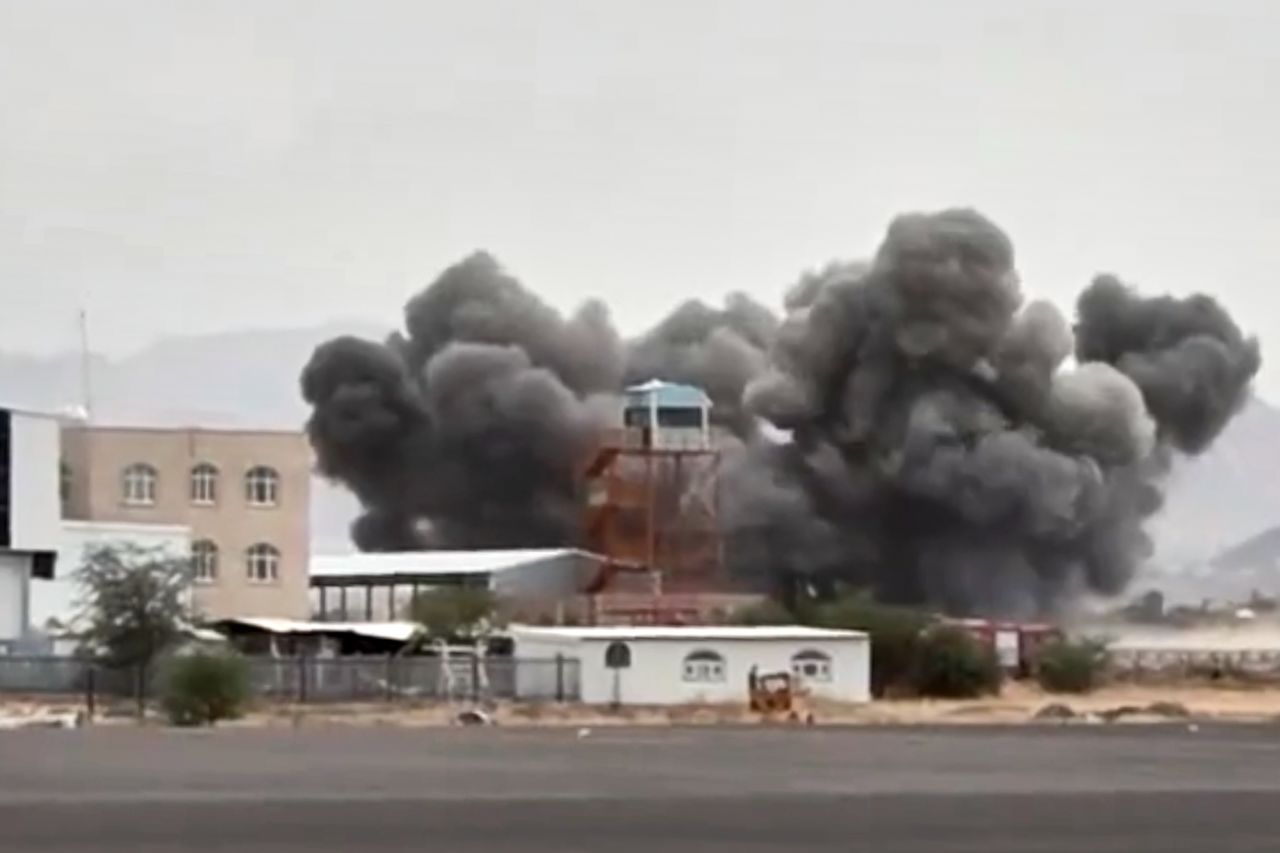
This follows a deadly Houthi strike on Saudi Arabia’s Jazan refinery, where NASA satellite imagery revealed a 200-kilometer smoke plume—likely from a missile or airstrike—after the Houthis claimed responsibility for attacks on Saturday. The Jazan refinery, capable of processing 400,000 barrels per day, remains operational, though Saudi Aramco has not confirmed damage.
The Houthis, who had observed an informal truce with Saudi Arabia for years, have now declared a maritime blockade on the Bab al-Mandeb Strait, a critical route for Saudi oil exports. The group has also claimed to have hit two Saudi tankers, though Riyadh acknowledged only one vessel was struck.
“The Houthis have transformed periods of confrontation into opportunities to consolidate gains,” wrote Yemen experts Nadwa Al-Dawsari and Arman Mahmoudian in a recent analysis for the Middle East Institute, noting that Tehran is coordinating proxy forces to reshape regional dynamics in its favor.
NASA satellite imagery captures the smoke plume from the Jazan refinery strike, indicating potential damage from a Houthi missile attack.
Ukraine-Iran Tensions Spark New Caspian Sea Conflict
The Caspian Sea has become a new battleground after Ukraine struck an Iranian vessel on July 20, killing one crew member and injuring three others. The attack occurred as Iran and Russia deepen their strategic partnership, with Moscow providing targeting intelligence for Iranian strikes on US military facilities in the Middle East.
Ukrainian President Volodymyr Zelensky accused Russia of sharing satellite imagery of US bases in Bahrain, Jordan, and Kuwait with Iran, which then used the data for precision strikes.
“Since July 1, we have observed active Russian surveillance of Gulf countries and US military facilities,” Zelensky stated on X. “These images are later used by Iran for attacks.”
Iran’s Foreign Minister Abbas Araghchi retaliated by calling the Ukrainian strike a “blatant violation of the UN Charter” and warning that Kyiv would “soon understand the cost” of provoking Tehran.
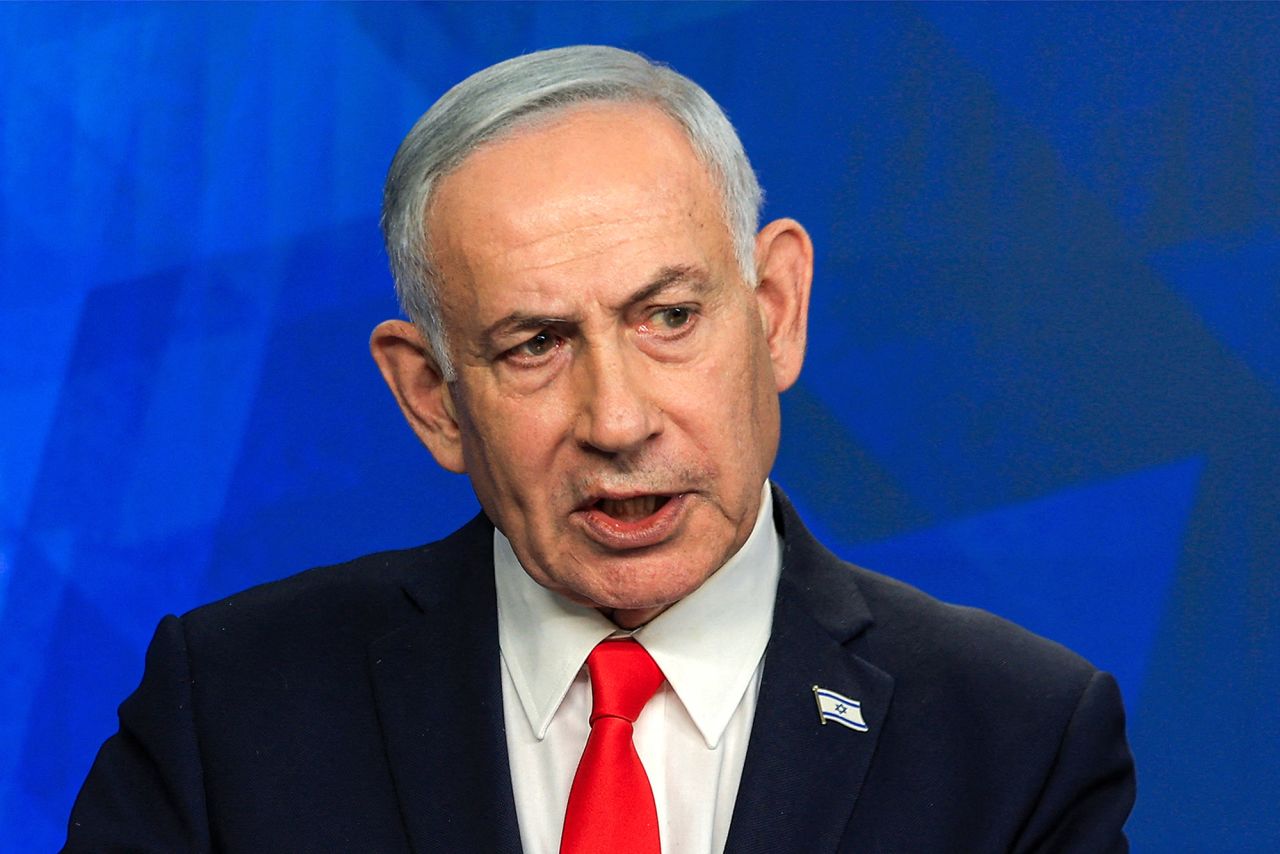
“The U.S. and Israel are well aware of this,” added Ebrahim Azizi, head of Iran’s parliament’s national security committee, suggesting direct US-Israeli involvement in the provocation.

An Iranian vessel in the Caspian Sea, targeted by Ukraine in a strike that killed one crew member and injured three others.
Diplomatic Efforts Stumble as Iran Rejects US Talks
Despite the pause in US strikes, Iran has rejected direct peace negotiations with Washington, calling the current situation a “military aggression” rather than a ceasefire.
“We will never allow the United States to determine the timing of war and peace,” said Esmaeil Baghaei, Iran’s foreign ministry spokesperson, during a televised press conference.
Baghaei also condemned France and the UK for “complicity with the aggressor,” criticizing the new British government for failing to distance itself from US policy.
Meanwhile, Iran and Oman have engaged in bilateral talks in Tehran to manage shipping in the Strait of Hormuz, but Baghaei emphasized that these discussions are separate from US-Iran diplomacy.
“The goal is for Iran and Oman to establish mechanisms ensuring safe shipping while respecting sovereign rights,” he said, though analysts question whether Tehran’s hostile posture toward the US will allow for meaningful progress.
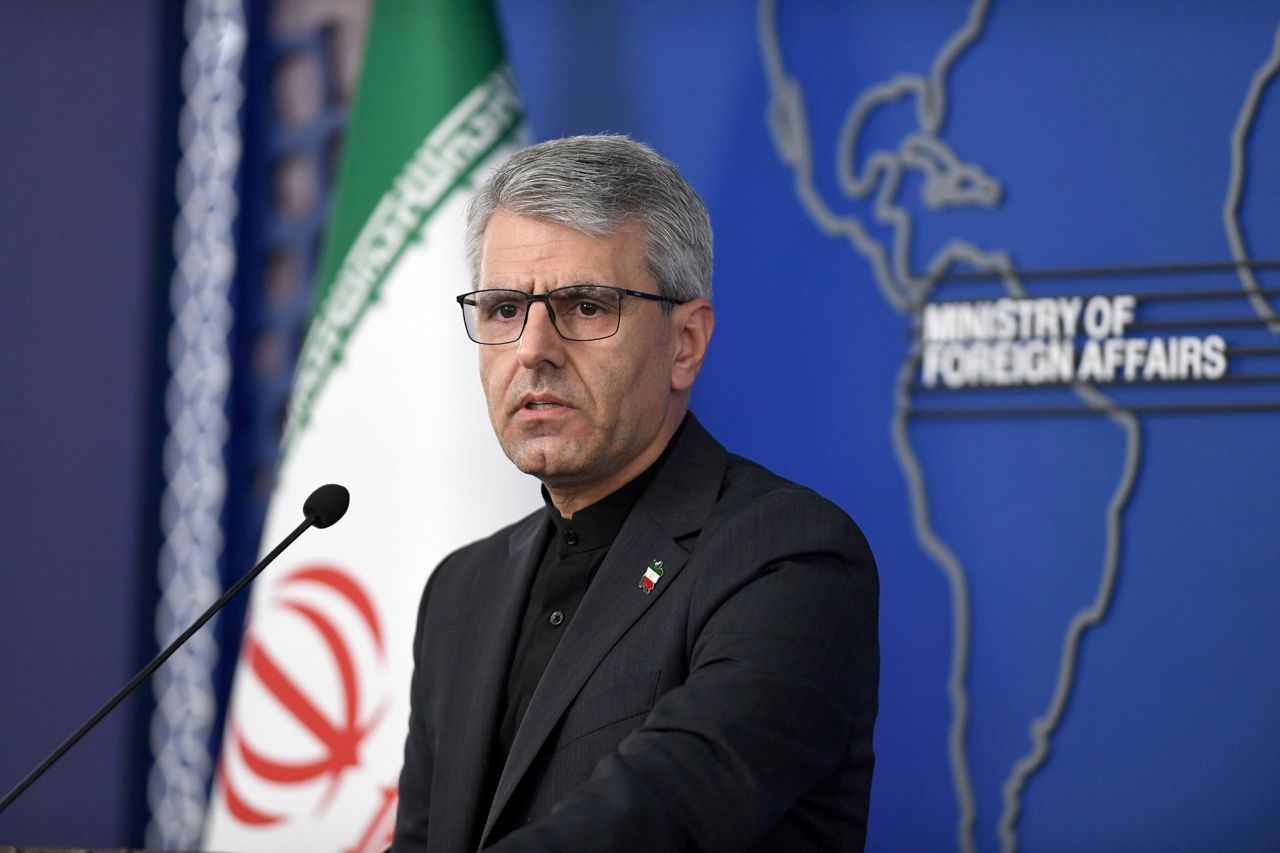
Iranian Foreign Minister Abbas Araghchi addresses a press conference, rejecting US-led diplomatic efforts while continuing proxy conflicts.
Global Markets React: Stocks Rise, But Oil Volatility Lingers
Financial markets showed mixed reactions to the temporary de-escalation, with stocks rising globally as investors sought stability amid uncertainty.
- Asia: Japan’s Nikkei 225 climbed 0.5%, while South Korea’s Kospi and Hong Kong’s Hang Seng both gained 1%.
- Europe: The Stoxx 600 index increased by 0.5%.
- US Futures: The Dow and S&P 500 were up 0.9%, while the Nasdaq surged 1.6%.
However, oil prices remain volatile, with Brent crude at $90/barrel and WTI at $84/barrel—down 6.7% and 6.1%, respectively. Deutsche Bank analysts warned that Houthi attacks on the Bab al-Mandeb Strait could simultaneously disrupt both Gulf and Red Sea export routes, exacerbating supply chain risks.
“There’s a welcome pause, but it’s fragile—especially with side battles ongoing,” the bank noted.
Global oil prices plummet as tensions ease, but analysts warn of persistent risks to shipping and energy markets.
US Munitions Stockpile Under Strain: Can Washington Sustain Prolonged Conflict?
Military analysts warn that the US may be running low on precision munitions, raising concerns about its ability to sustain prolonged hostilities with Iran.
“The Iranians have a vast supply of missiles and drones, while the US is expending high-end precision weapons that could take years to replace,” said Cedric Leighton, a retired US Air Force colonel.
Leighton estimated that Iran still possesses roughly two-thirds of its original arsenal, despite months of US strikes. Meanwhile, US attacks have targeted command-and-control sites, but Iran’s military infrastructure remains operational.
“If the US has used over 1,400 Patriot interceptors, it could leave vulnerabilities elsewhere,” Leighton added, citing concerns raised by Chairman of the Joint Chiefs of Staff Gen. Dan Caine in a White House meeting last week.

A Patriot missile battery in deployment, as analysts warn of US munitions shortages in prolonged conflict with Iran.
Britain’s New PM Burnham Engages Gulf Leaders on De-Escalation
UK Prime Minister Andy Burnham, in his first week in office, has taken a diplomatic offensive in the Gulf, speaking with leaders of Saudi Arabia, UAE, Qatar, and Kuwait to strengthen defense ties and push for de-escalation.
Burnham condemned Iranian attacks on Saudi Arabia and Kuwait, thanked the UAE for protecting British nationals, and welcomed Emirati mediation efforts in US-Iran talks.
“We want to strengthen trade and investment with the region to drive growth,” Burnham stated, signaling a shift toward economic partnerships amid security concerns.

UK Prime Minister Andy Burnham holds discussions with Gulf leaders to de-escalate tensions and boost economic ties.
The Road Ahead: Will Diplomacy Prevail, or Will Proxy Wars Dominate?
As the US-Iran conflict enters a fragile pause, the real battle appears to be unfolding in proxy theaters—from Yemen’s Houthis to Iraq’s militias and Ukraine’s Caspian Sea strikes. The global economy remains at risk, with shipping disruptions, oil price volatility, and geopolitical brinkmanship threatening stability.
Key Questions Moving Forward:
1. Will Iran and the US return to the negotiating table, or will proxy conflicts deepen?
2. Can Saudi Arabia and the Houthis reach a lasting truce, or will the Bab al-Mandeb Strait remain a battleground?
3. How will the US replenish its munitions stockpile without further straining global defense supplies?
4. Will Ukraine’s attacks on Iranian vessels in the Caspian Sea escalate into a full-blown Iran-Ukraine confrontation?
For now, the world watches as diplomacy stalls and regional powers jockey for dominance—with the global economy caught in the crossfire.
