

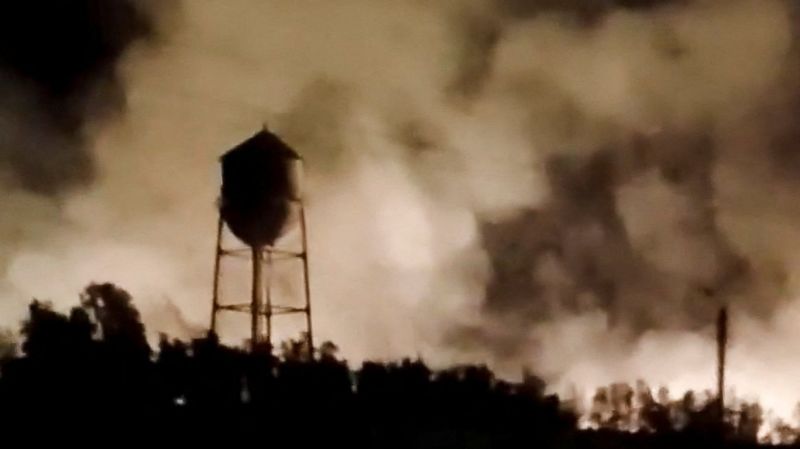
Global Oil Prices Hit Two-Month High as Middle East Tensions Soar
The global oil market experienced a dramatic shift on July 23, 2026, as Brent crude prices surged past $100 per barrel for the first time since May, marking a sharp escalation in geopolitical instability. The spike was directly tied to Yemen’s Houthi rebels, backed by Iran, who launched unprovoked attacks on Saudi shipping routes in the Red Sea, threatening to disrupt another critical oil transit corridor. This development compounded existing risks stemming from the effective blockade of the Strait of Hormuz, a chokepoint for nearly 30% of the world’s seaborne oil exports.
Analysts warn that the dual threat to the Red Sea and Hormuz could exacerbate supply chain disruptions, sending shockwaves through global energy markets. Goldman Sachs and JPMorgan Chase have already revised their price forecasts upward, citing “unprecedented volatility” in the region.  A satellite image of the Red Sea shipping lanes, highlighting key Houthi attack zones.
The International Energy Agency (IEA) has expressed concern over the “cascading risks” to oil supply chains, noting that even a partial blockade could lead to shortages and price spikes in Europe and Asia. Meanwhile, OPEC+ members have convened emergency meetings to assess potential production adjustments, though no immediate decisions have been announced.
US Military Escalation: 13th Consecutive Night of Strikes Against Iran
The United States military completed its 13th consecutive night of airstrikes against Iranian targets, targeting military command centers, drone storage facilities, and coastal surveillance sites in the Strait of Hormuz. The U.S. Central Command (CENTCOM) confirmed the operation in a social media post, stating that the strikes aimed to “diminish the threat Iran poses to civilian mariners and commercial vessels.”
The U.S. response follows a week of escalating attacks by Iran, including missile strikes on Saudi Arabia, Kuwait, and Iraq, as well as Houthi-led assaults on Red Sea shipping. 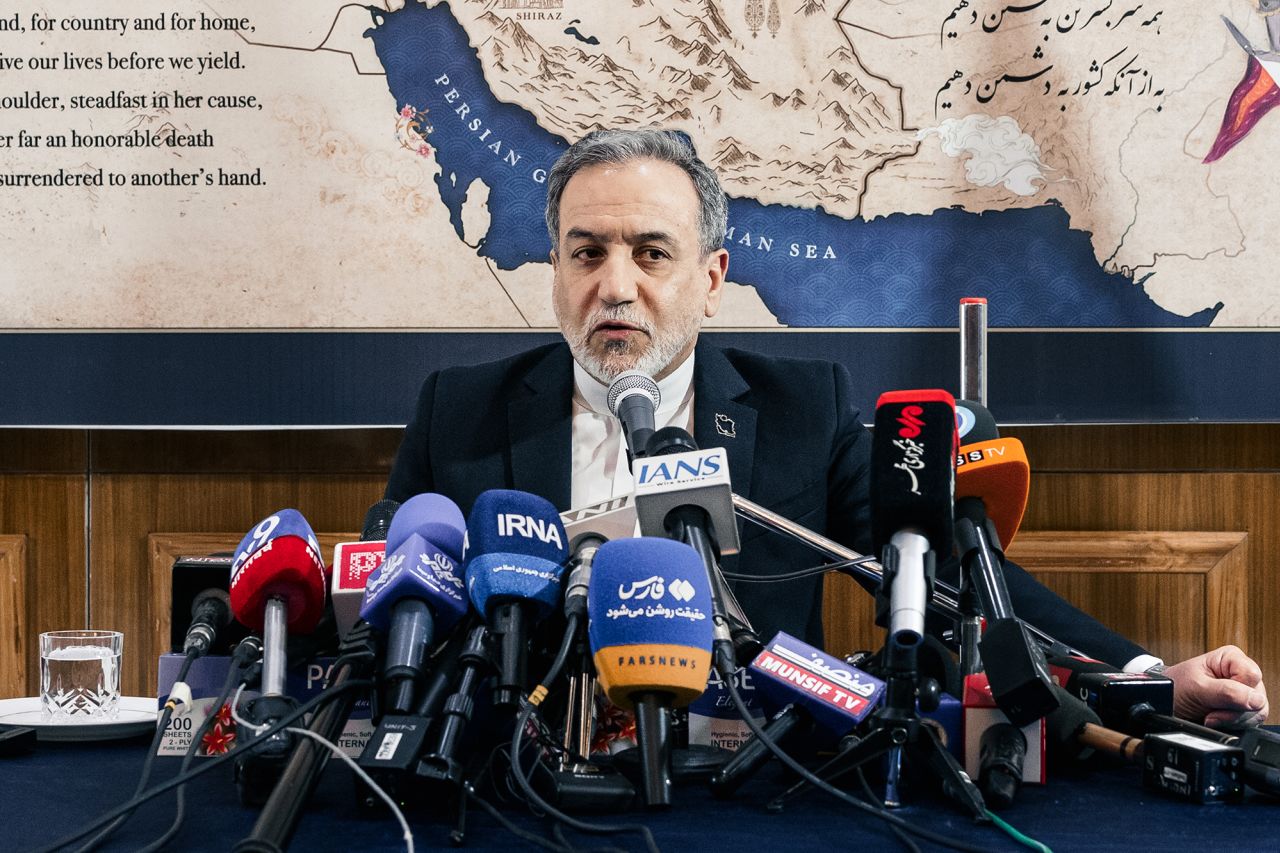 A U.S. military graphic depicting targeted Iranian infrastructure in the Strait of Hormuz.
President Donald Trump has rejected ceasefire negotiations, declaring in a Truth Social post that “Iran is not ready” for a deal. His administration has frozen approximately $124–$167 billion in Iranian assets—a move Tehran has condemned as “illegal and provocative.” Iranian Foreign Minister Abbas Araghchi warned that “seizing another nation’s assets to pay for unrelated claims sets a dangerous precedent,” suggesting that such actions could undermine global financial stability.
Houthi Attacks and the Red Sea Blockade: A New Front in the Proxy War
The Houthi rebels, Iran’s most formidable proxy force, have expanded their campaign beyond Yemen, targeting Saudi commercial vessels in the Bab al-Mandeb Strait—a critical bypass route for oil exports when the Strait of Hormuz is restricted. 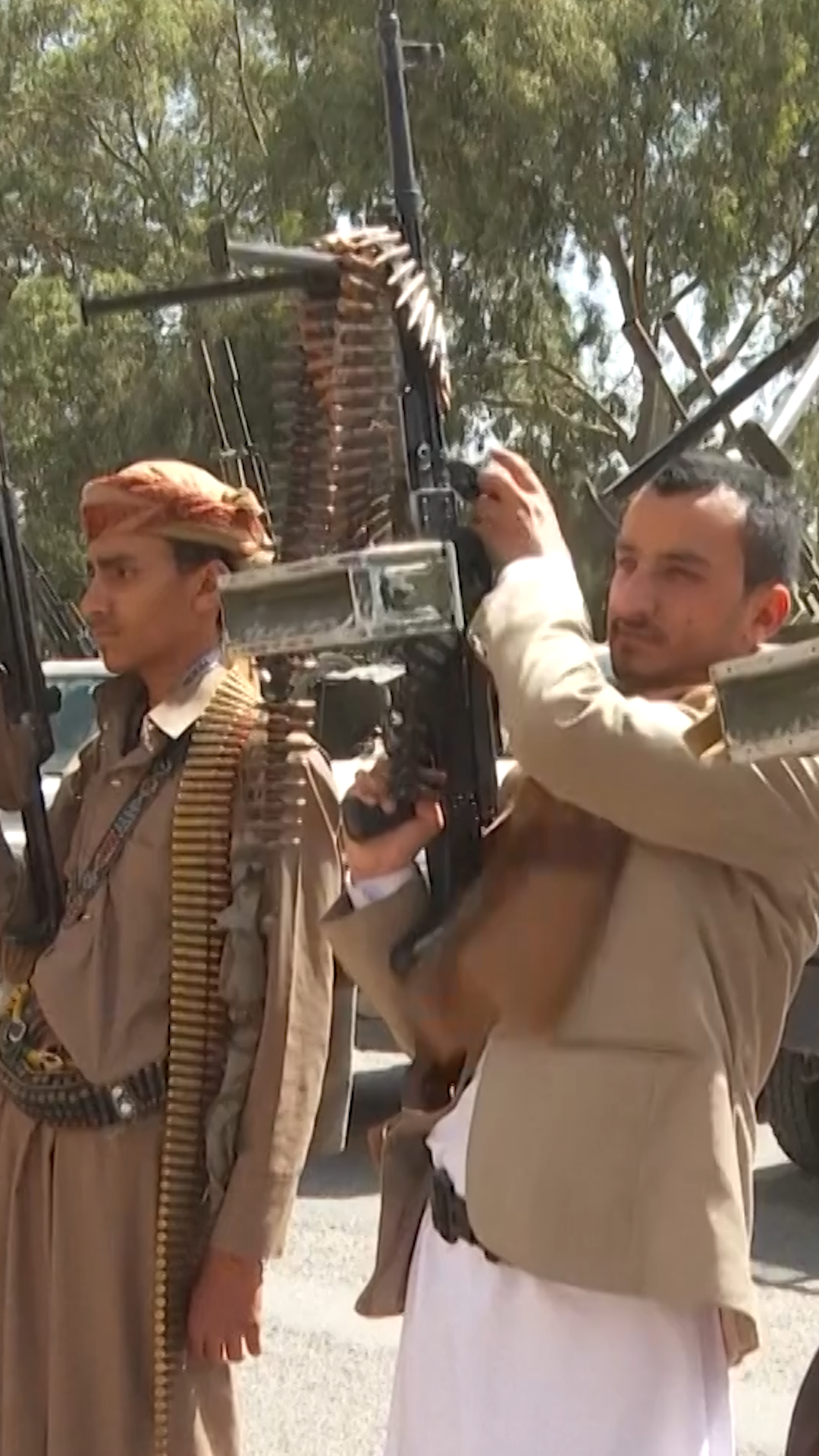 A Houthi missile launch near the Red Sea, captured in a leaked military footage.
CNN’s Nic Robertson explains that the Houthis, backed by Iran’s Islamic Revolutionary Guard Corps (IRGC), have evolved from insurgents into a sophisticated naval threat, capable of disrupting global shipping lanes. The UN’s World Food Programme (WFP) has already halted Red Sea shipments, risking food shortages in East Africa.
The Saudi-led coalition, which has been battling the Houthis since 2015, has scaled up defensive measures, deploying patrol boats and drone countermeasures. However, analysts warn that without a diplomatic resolution, the Red Sea could become a new flashpoint in the U.S.-Iran proxy conflict.
Iran’s Military Response: Strikes on U.S. Allies and Domestic Targets
Iran has not limited its retaliation to naval attacks. Over the past week, Iranian forces launched missile strikes on:
– Khuzestan Province (western Iran): Four deaths reported in Ahvaz, with additional casualties in Andimeshk and Omidiyeh after U.S. airstrikes on Iranian military sites. 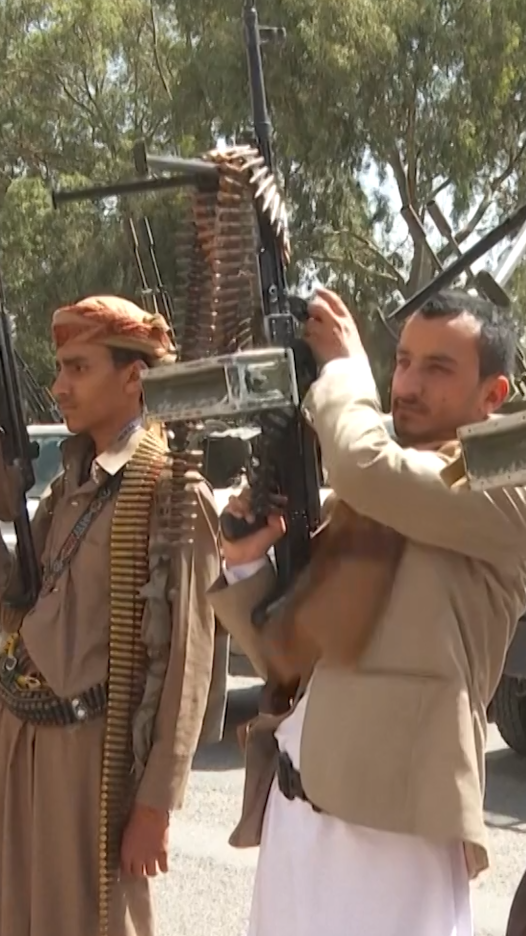 Aerial damage in Ahvaz following a U.S. strike.
– Markazi Province: A command center near Khondab was hit, with casualty assessments still pending.
– Lorestan Province: A projectile struck Khorramabad, causing unknown damage.
– Hormozgan Province: Two wounded in an attack on Bandar Abbas port, a key oil transit hub.
Additionally, Iranian drones raided northern Kuwait, causing material damage at the Abdali border crossing without casualties.  Kuwaiti military responding to a drone attack near the Iraqi border.
Iranian Supreme Leader Ayatollah Khamenei’s military adviser, Mohsen Rezaei, accused the U.S. of “desperation,” suggesting that Trump’s threats to bomb Iranian infrastructure—such as bridges and power plants—are a sign of strategic weakness.
U.S. War Powers Debate: Congress Divided Over Trump’s Military Actions
The U.S. House of Representatives passed a resolution limiting Trump’s war powers, voting to halt military action against Iran without congressional approval. However, the Senate rejected a similar measure (47-49), failing to muster the 60 votes needed for cloture.
Republican lawmakers remain deeply divided—some, like Sen. Susan Collins, voted with Democrats to restrict Trump’s authority, while others, including Sen. Bill Cassidy, have criticized the lack of transparency in the administration’s war strategy.  U.S. Capitol building at dusk, symbolizing congressional gridlock over Iran policy.
Trump, in turn, has dismissed critics as “losers,” arguing that his “unconventional tactics” are necessary to deter Iran. Meanwhile, Pentagon officials have corrected casualty reports, removing four recently killed U.S. soldiers from their public database—raising questions about military transparency.
Israel’s Mossad Exposes Iranian Espionage Network
In a rare public disclosure, Israel’s Mossad spy agency revealed that Iran’s Ministry of Intelligence has been recruiting foreign operatives to assassinate senior Israeli officials. The agency stated that dozens of attack plots were disrupted, saving “numerous lives.”
Mossad’s statement detailed how Iran used “criminal proxies” to infiltrate Israel, collect intelligence, and prepare for targeted killings.  A Mossad security operation in Tel Aviv, illustrating counterterrorism efforts.
Since 2023, at least 60 Israelis have been indicted for spying for Iran, with prosecutors linking some cases to Iranian missile strikes on Israeli sites. The Shin Bet (Israel’s domestic security agency) has intensified surveillance, but analysts warn that Iran’s influence network remains extensive.
UK and U.S. Military Bases Under Threat: Iran’s Long-Range Capabilities
Iran has directly threatened U.S. and UK military bases, including:
– RAF Fairford (UK): A forward operating base for B-1 and B-52 bombers used in recent strikes against Iran.  RAF Fairford runway, a key U.S. airbase in the UK.
– Diego Garcia (Indian Ocean): A joint U.S.-UK base that Iran’s Parliament Chairman Ebrahim Azizi warned could be “lost like other colonies.”
While Iran has not yet demonstrated precision strikes at such distances, its March 2026 missile tests toward Diego Garcia—1,600 km away—suggest growing long-range capabilities.  A simulated Iranian missile trajectory toward Diego Garcia.
The UK government has reaffirmed its defense readiness, stating:
“Our Armed Forces are ready to keep the UK safe from any attack, whether on our soil or from abroad. The UK stands ready 24/7 to defend itself.”
UN Secretary-General Warns of ‘Uncontrollable’ Escalation
UN Secretary-General António Guterres issued a frantic appeal for de-escalation, stating:
“The fighting must stop everywhere. Freedom of navigation must be restored. Diplomacy is the only way forward.”
His warning came as global markets reacted violently to the Red Sea blockade threat, with Brent crude jumping 40% in three weeks.  UN Headquarters in New York, symbolizing global diplomatic efforts.
Saudi Arabia’s Nuclear Deal Hinges on Israel Normalization
In a sudden shift, the White House announced that a previously signed U.S.-Saudi nuclear cooperation deal is “off the table” unless Riyadh normalizes relations with Israel.  Saudi Crown Prince Mohammed bin Salman during a diplomatic visit.
Press Secretary Karoline Leavitt cited Trump’s long-standing push for the Abraham Accords, though she denied Israeli Prime Minister Benjamin Netanyahu’s involvement in the decision. Saudi Crown Prince MBS, however, has reiterated that normalization will only occur with a “clear Palestinian state pathway.”
Conclusion: A Region on the Brink
The Middle East is teetering on the edge of a full-scale conflict, with oil prices at two-month highs, naval blockades looming, and proxy wars intensifying.  A global oil price chart showing the recent surge.
- Iran’s military campaign has escalated beyond Yemen, targeting Saudi Arabia, Kuwait, and U.S. allies.
- The U.S. military continues daily airstrikes, while Congress remains divided on war powers.
- Israel’s Mossad has exposed Iran’s assassination plots, raising fears of direct confrontation.
- The Red Sea blockade could disrupt global shipping, worsening food and fuel shortages.
- The UN’s plea for diplomacy has fallen on deaf ears, as both sides dig in.
As Trump insists on “more of the same,” the risk of miscalculation grows. 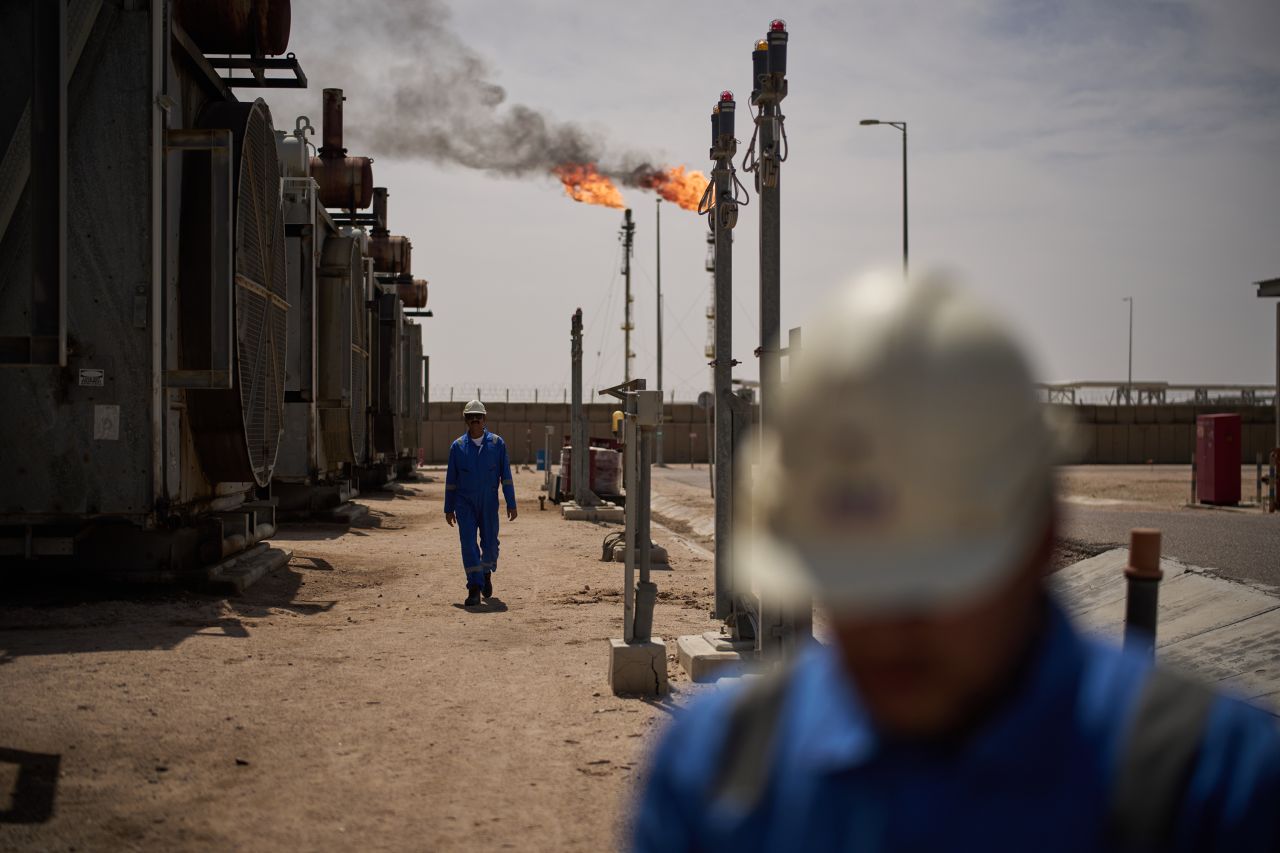 A satellite view of the Strait of Hormuz, a critical global chokepoint.
With no immediate signs of de-escalation, the world watches nervously—as oil prices climb, alliances fracture, and the Middle East hurtles toward an uncertain future.
