

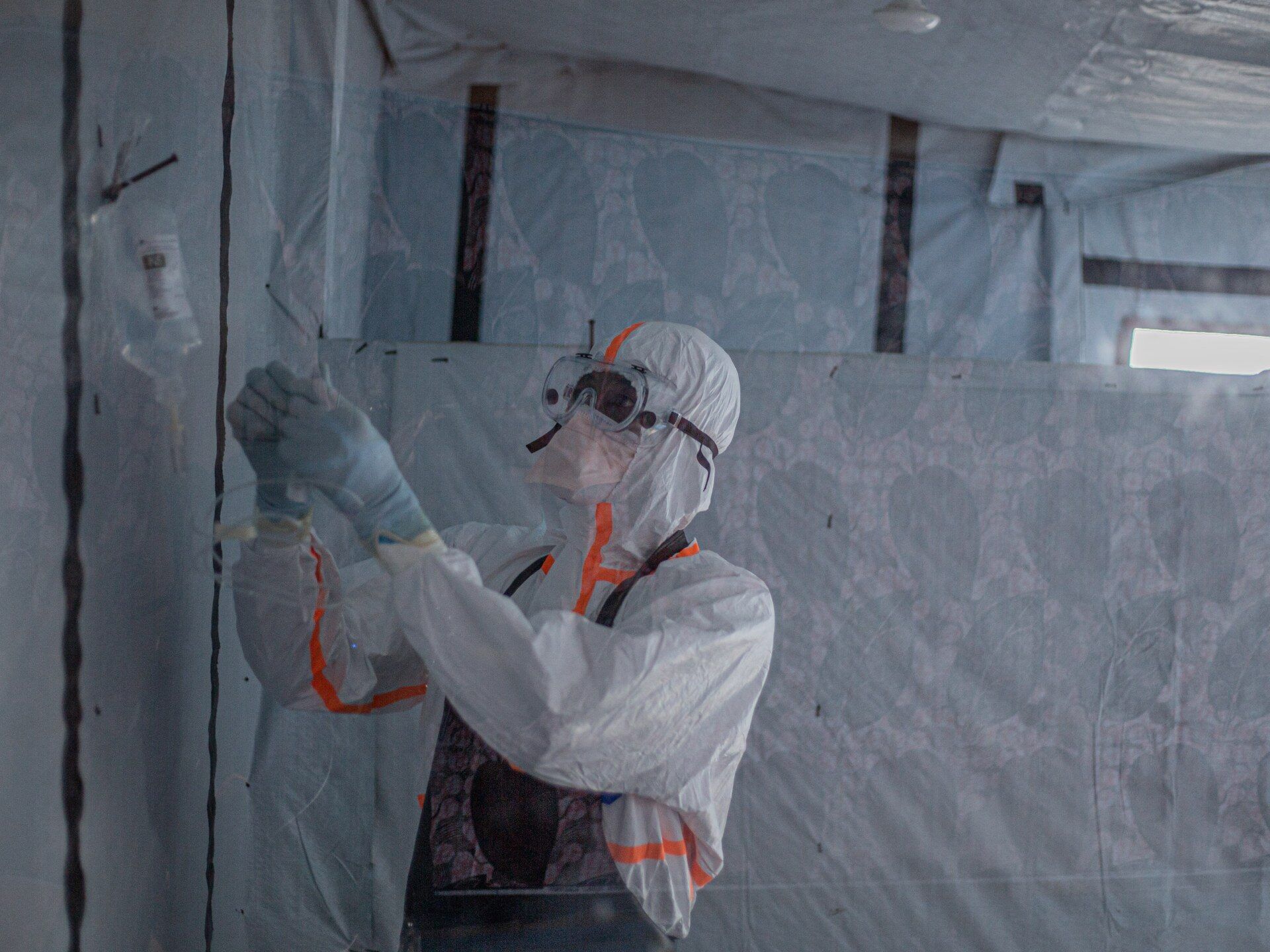
Uganda’s Ministry of Health has formally declared the country free from the Ebola virus disease (EVD), marking the successful conclusion of a rigorous 42-day monitoring period following the last confirmed case. However, as the neighboring Democratic Republic of Congo (DRC) grapples with one of the most severe Ebola outbreaks in history, health officials in Uganda remain vigilant, urging citizens to sustain public health precautions.
A Milestone Achieved, But Caution Remains Critical
On June 16, 2026, Uganda confirmed the discharge of its last locally transmitted Ebola patient—a critical milestone in the nation’s response to the outbreak. Following this, the 42-day surveillance window, a standard period for monitoring potential late-stage infections, concluded without detecting any new cases. Health Minister Chris Baryomunsi announced the official end of the outbreak, emphasizing the Ministry of Health’s “intensive nationwide surveillance” that ensured no further transmissions occurred.
Despite this victory, Baryomunsi issued a strong warning in a subsequent social media statement, urging Ugandans to “remain alert” and continue adhering to public health measures, including hand hygiene, social distancing, and avoiding contact with high-risk individuals or environments.
A Grim Toll in the DRC: The World’s Fastest-Spreading Ebola Outbreak
While Uganda has managed to contain its outbreak, the DRC continues to face an unprecedented crisis, with the Bundibugyo Ebola virus—one of the rarest and most lethal strains—spreading at an alarming rate. As of the latest reports, the DRC has recorded at least 3,262 confirmed infections, with 1,437 fatalities, a death toll nearly identical to the 2018–2020 outbreak, which remains the largest in recorded history for the country.
What makes this outbreak particularly concerning is its unprecedented speed of transmission. The World Health Organization (WHO) has warned that the true scale of the outbreak may be two to four times larger than officially reported, suggesting widespread underreporting due to remote affected areas and limited healthcare access.
The Bundibugyo Strain: A Deadly Variant Without Approved Treatments
The Bundibugyo Ebola virus (EBOV-BDB), one of four known human-infecting strains, is far rarer than the more common Sudan and Zaire variants. Unlike its counterparts, there are currently no approved vaccines or specific treatments for this strain, complicating efforts to curb its spread.
Ebola, in general, is a highly lethal viral hemorrhagic fever characterized by sudden onset of fever, intense headache, muscle pain, weakness, vomiting, diarrhea, and—in severe cases—internal and external bleeding. The virus spreads through direct contact with infected bodily fluids, including blood, saliva, sweat, feces, urine, and semen, as well as through contaminated surfaces and fomites.
Transmission Dynamics and Public Health Challenges
The DRC’s ongoing outbreak has been exacerbated by geographical barriers, conflict zones, and deep-rooted healthcare system vulnerabilities. Unlike previous outbreaks, this one has spread rapidly across multiple provinces, including North Kivu, Ituri, and South Kivu, where mobility, resistance to containment measures, and limited medical infrastructure have hindered response efforts.
In Uganda, the 20 confirmed cases—of which 18 patients recovered—were primarily linked to cross-border travel and healthcare worker exposure. The two fatalities were among travelers from the DRC, highlighting the transnational nature of the threat.
Global Health Concerns and Preparedness
The WHO has classified the DRC outbreak as a Public Health Emergency of International Concern (PHEIC), signaling its potential to spread beyond national borders. While Uganda’s proactive measures have prevented a full-blown domestic resurgence, the lack of a vaccine for the Bundibugyo strain poses a significant challenge.
Health experts warn that delayed detection, weak surveillance, and community resistance could allow the virus to silently spread, particularly in rural and conflict-affected regions. The lack of a targeted vaccine means that prevention relies heavily on strict infection control, contact tracing, and public education—efforts that require sustained funding and international support.
Lessons from Past Outbreaks and Future Risks
The 2014–2016 West Africa Ebola epidemic, which killed over 11,000 people, demonstrated the devastating consequences of delayed responses and resource shortages. Uganda’s swift action in isolating cases, enhancing border controls, and maintaining vigilant surveillance serves as a model for regional preparedness.
However, the Bundibugyo strain’s lethality and the absence of a vaccine underscore the urgent need for global research and investment in broad-spectrum antiviral treatments and rapid diagnostic tools. Without these advancements, future outbreaks—especially in high-risk regions—could escalate into uncontrollable crises.
Conclusion: Vigilance and Collaboration Are Key
While Uganda’s declaration of an Ebola-free status is a significant public health achievement, the ongoing catastrophe in the DRC serves as a stark reminder of the persistent and evolving nature of infectious disease threats. Health authorities in Uganda and across the region must maintain heightened alertness, ensuring that public health protocols remain robust to prevent resurgence.
For now, the Bundibugyo Ebola outbreak in the DRC remains one of the most challenging public health emergencies in decades, demanding immediate, coordinated, and sustained global action to curb its spread and protect vulnerable populations. The lessons from Uganda’s response—rapid containment, transparent communication, and community engagement—must be scaled up and replicated in high-risk zones to mitigate future outbreaks before they spiral out of control.
