

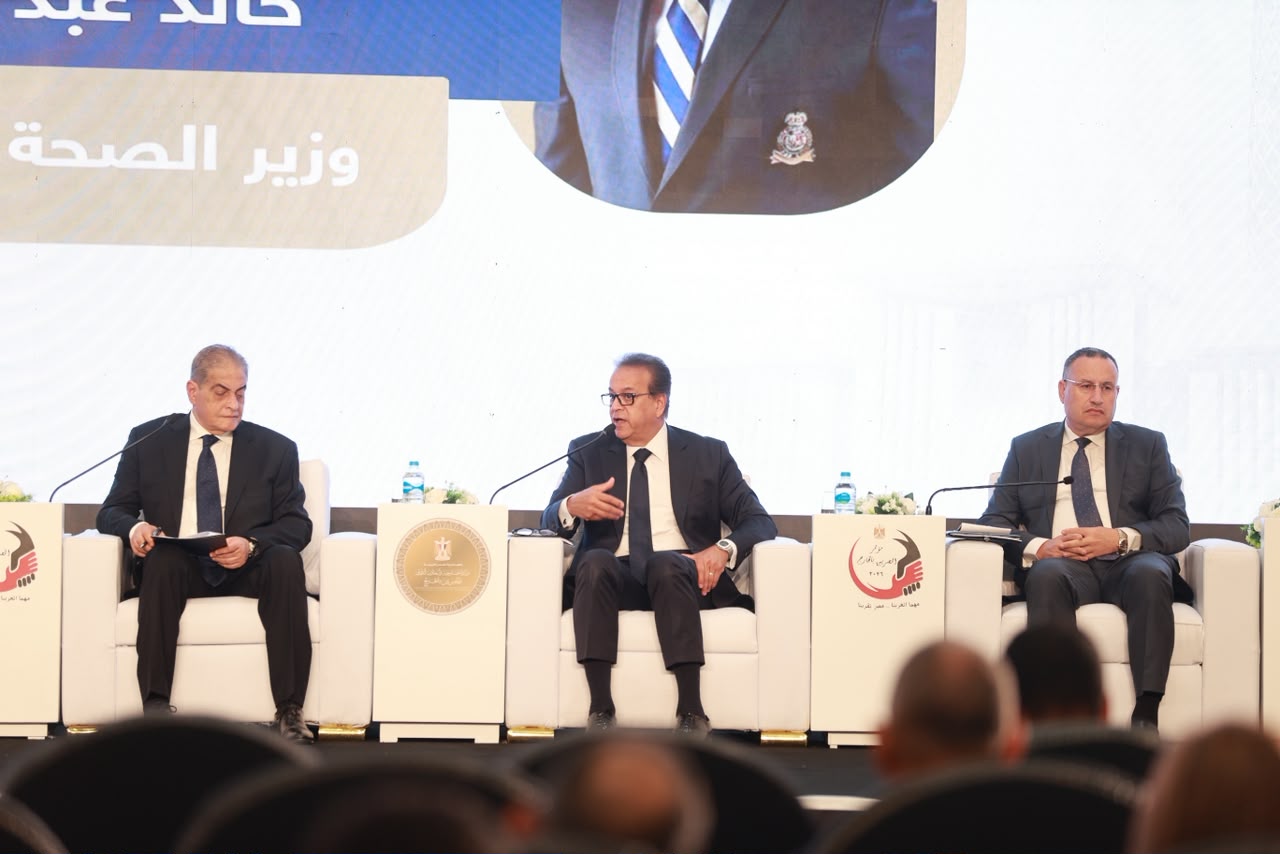
Egypt is accelerating its efforts to enhance healthcare accessibility for its vast expatriate community while reinforcing its domestic pharmaceutical industry—a strategic move aimed at reducing reliance on imports and positioning the country as a leading regional hub for medical tourism. Minister of Health and Population Khaled Abdel Ghaffar outlined these initiatives during a high-profile panel discussion at the seventh annual Conference for Egyptians Abroad, where government officials and industry leaders convened to explore collaborative opportunities.
Expanding Healthcare Services for Expatriates
One of the most significant developments is the expansion of healthcare services tailored for Egyptians residing abroad during their visits to Egypt. Abdel Ghaffar emphasized that expatriates—who contribute substantially to Egypt’s economic growth through remittances and professional expertise—play a pivotal role in the nation’s development. Many Egyptian doctors and medical specialists working overseas have long been instrumental in supporting Egypt’s healthcare sector, whether through returning to perform high-complexity procedures, training local healthcare professionals, or sharing specialized knowledge.
To institutionalize this collaboration, the Ministry of Health and Population is actively engaging with overseas-based Egyptian medical professionals, aiming to systematize their contributions and maximize their impact on Egypt’s healthcare infrastructure. This includes structured partnerships for knowledge transfer, clinical consultations, and capacity-building initiatives within Egyptian hospitals and clinics.
A cornerstone of these efforts is the “Your Treatment in Egypt” program, designed to streamline access to medical services for expatriates visiting the country. The initiative focuses on reducing waiting times, improving patient coordination, and ensuring seamless integration between international patients and Egypt’s healthcare providers. By leveraging Egypt’s growing network of world-class hospitals and specialized clinics, the program seeks to attract medical tourists while offering expatriates a high-quality, efficient healthcare experience upon their return visits.
Complementing this is the launch of the “Tour 4 Cure” platform, a national medical tourism portal that serves as a centralized digital marketplace connecting international patients with Egypt’s top healthcare facilities. The platform facilitates direct bookings, pre-consultation services, and post-treatment follow-ups, further solidifying Egypt’s reputation as a preferred destination for medical tourism in the Middle East and North Africa (MENA) region.
Strengthening Domestic Pharmaceutical Production
Beyond enhancing healthcare accessibility, Egypt is also reinforcing its pharmaceutical sector to ensure long-term medical security. The country’s pharmaceutical industry is a robust and diversified ecosystem, comprising over 180 factories and more than 1,000 production lines—a testament to its capacity to meet the majority of domestic demand. A staggering 91% of Egypt’s medicine requirements are now produced locally, a figure that underscores the nation’s progress in reducing dependence on imports.
The remaining 9% of pharmaceutical needs are imported, primarily for specialized medications, high-end medical devices, or products not yet manufactured domestically. While this import dependency is relatively low compared to global standards, Abdel Ghaffar dismissed claims of a widespread drug shortage, asserting that temporary supply disruptions for specific products are industry-wide challenges and not indicative of a systemic crisis.
To further bolster pharmaceutical resilience, the government is investing heavily in local manufacturing, with a focus on expanding production capabilities for critical and high-demand medications. This strategic shift aligns with Egypt’s broader Universal Health Insurance System (UHIS), which is being implemented in phases to ensure universal healthcare coverage for all citizens. By strengthening domestic production, Egypt aims to minimize supply chain vulnerabilities, lower healthcare costs, and enhance the overall efficiency of its public health system.
A Vision for Medical Tourism and Healthcare Excellence
Egypt’s healthcare sector is undergoing a transformative evolution, driven by infrastructure expansion, digital innovation, and strategic partnerships with overseas professionals. The country’s phased rollout of the UHIS, combined with its growing medical tourism infrastructure, positions Egypt as a regional leader in accessible, high-quality healthcare.
For expatriates, this means faster, more efficient medical services upon their visits, while for the broader population, it translates to greater pharmaceutical security and improved public health outcomes. Abdel Ghaffar’s remarks during the conference underscored a clear commitment to leveraging both domestic and diaspora expertise to build a resilient, self-sustaining healthcare ecosystem—one that not only meets current demands but also anticipates future challenges with strategic foresight.
As Egypt continues to expand its medical tourism sector and fortify its pharmaceutical industry, the nation is poised to set a new benchmark for healthcare excellence in the region, ensuring that both its citizens and expatriates benefit from a world-class medical landscape.

Minister of Health and Population Khaled Abdel Ghaffar addresses the seventh annual Conference for Egyptians Abroad, highlighting initiatives to enhance healthcare services for expatriates and strengthen domestic pharmaceutical production.

A snapshot of Egypt’s modern healthcare facilities, showcasing the infrastructure supporting the “Your Treatment in Egypt” program and medical tourism initiatives.

Egyptian pharmaceutical factories and production lines, illustrating the country’s 91% self-sufficiency in medicine manufacturing and its commitment to reducing import dependency.
