
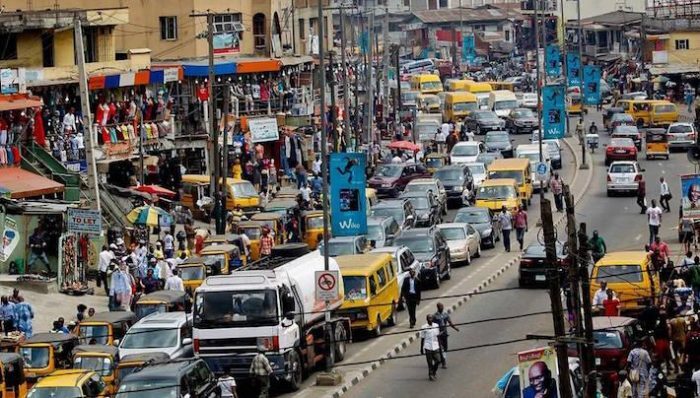
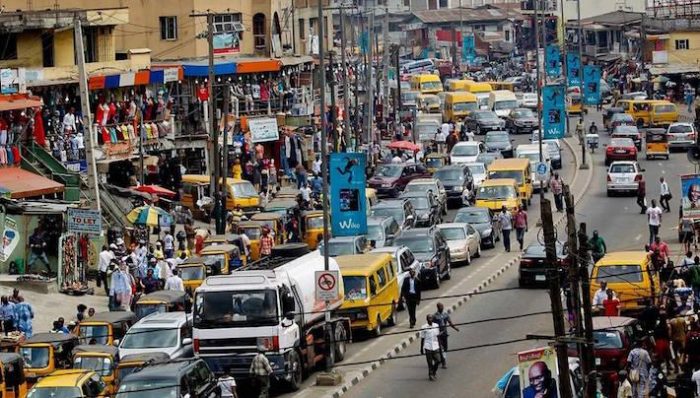
The African business landscape in mid-2026 resembles a high-wire act—exhilarating progress on one side, stomach-churning instability on the other. While headline growth figures in some corners of the continent paint a picture of cautious optimism, the reality on the ground tells a different story. For entrepreneurs from Dakar’s teeming markets to Johannesburg’s gleaming towers, the challenges are mounting: spiraling costs, relentless security threats, and a labyrinth of overlapping tax regimes that seem designed to stifle rather than stimulate. Yet, against these odds, pockets of innovation and adaptation are emerging, offering a glimmer of hope in an otherwise turbulent economic climate.
When confidence collides with cold hard reality
Recent surveys suggest that business leaders across the continent are cautiously upbeat about their prospects. Optimism, however, is a fragile thing when confronted with the daily grind of operating in Africa’s most volatile markets. In Nigeria, where the government’s economic recovery plan touts a 3.5% GDP growth projection for 2026, entrepreneurs are grappling with a paradox: rising confidence in the macroeconomic outlook clashes sharply with the microeconomic pressures of doing business. The central bank’s aggressive tightening cycle has pushed borrowing costs to decade-high levels, while a resurgence of armed banditry in the northwest and persistent separatist tensions in the southeast have turned logistics and supply chains into minefields.
In Cameroon, the story is equally fraught. The country’s agricultural sector, a backbone of its economy, is reeling under the weight of separatist violence in the Anglophone regions. Farmers who once supplied cocoa and coffee to global markets now face extortion demands from armed groups controlling key transit routes. Meanwhile, the government’s push to diversify revenue has led to a proliferation of local taxes—some legitimate, others less so—each adding another layer of complexity to an already burdensome regulatory environment.
South Africa’s business community, meanwhile, is caught between the promise of structural reforms and the harsh reality of load shedding. Despite President Ramaphosa’s bold pledges to overhaul state-owned enterprises and attract foreign investment, rolling blackouts continue to cripple manufacturing and retail operations. The energy crisis has already cost the economy an estimated $20 billion in lost productivity this year alone, a figure that dwarfs the gains from any tax incentives or investment promotions.
The tax maze: A burden or a necessary evil?
Taxation in Africa is not a new challenge, but its current form is pushing many businesses to the brink. In Ghana, for instance, the government’s ambitious revenue mobilization strategy has introduced digital tax stamps and an expanded VAT base, which, while aimed at curbing evasion, have left small and medium-sized enterprises (SMEs) drowning in compliance paperwork. The Ghana Revenue Authority’s aggressive audits, though justified in theory, have become a source of frustration for businesses already struggling with currency volatility and high import duties.
In Uganda, the story takes a different twist. The government’s decision to levy a 1% tax on mobile money transactions—a lifeline for millions of unbanked citizens—has sparked outrage among business owners who rely on this system for daily cash flow. While the tax is intended to fund public services, its implementation has been so abrupt and poorly communicated that it has disrupted trade in rural markets, where mobile money is the primary financial tool. For small traders in Kampala’s bustling Owino Market, the tax is just one more expense in a long list of challenges, from unreliable electricity to police roadblocks demanding unofficial “fees.”
The irony is that many of these taxes are not inherently unreasonable. In theory, they could fund infrastructure, education, and healthcare—services that would ultimately benefit businesses. But in practice, the system is fragmented, inconsistent, and often opaque. In Senegal, for example, the government has rolled out a series of tax incentives to attract investment in renewable energy, yet local entrepreneurs complain that the application process is so convoluted that only well-connected firms can navigate it. The result? A two-tiered economy where formal businesses struggle under the weight of compliance, while informal operators thrive in the shadows, avoiding taxes entirely but also missing out on the benefits of formalization.
Security: The invisible tax on African enterprise
If taxes are a visible burden, insecurity is the silent killer of African businesses. In Ethiopia, the ongoing conflict in the Tigray region has displaced thousands of farmers and disrupted the country’s once-thriving textile industry. Factories in industrial zones like Hawassa, which supplied global brands like H&M and PVH, have seen production plummet as workers flee or are conscripted into the war effort. The government’s state of emergency, while necessary for stability, has also given security forces sweeping powers to detain civilians, creating an atmosphere of fear that extends far beyond the conflict zones.
In Mozambique, the insurgency in Cabo Delgado has not only claimed thousands of lives but has also shattered the region’s nascent liquefied natural gas (LNG) sector. TotalEnergies’ $20 billion investment in the Afungi Peninsula, once hailed as a game-changer for the country’s economy, now sits idle as the company evacuates staff and contractors. The ripple effects are devastating: local fishermen can no longer access their traditional fishing grounds, while small traders who supplied the project with goods and services have seen their revenues collapse. The Mozambican government’s response—a mix of military crackdowns and promises of development—has done little to reassure investors or restore confidence.
Even in relatively stable countries like Botswana, businesses are not immune to security threats. The country’s diamond mines, a cornerstone of its economy, have faced a surge in artisanal mining activities in recent months. While small-scale miners argue that they are simply trying to eke out a living, large-scale operators claim that illegal mining is draining their resources and exposing them to theft and violence. The government’s heavy-handed response—including arrests and equipment seizures—has done little to address the root causes of the problem, leaving businesses caught between a rock and a hard place.
Borrowing costs: The double-edged sword of monetary policy
The continent’s central banks are walking a tightrope. On one hand, they must tame inflation, which has been fueled by global supply chain disruptions and local currency devaluations. On the other, they must avoid choking off the very businesses that drive economic growth. In Kenya, the Central Bank’s decision to hike interest rates to 13%—the highest in a decade—has left manufacturers gasping for air. The textile industry, already reeling from cheap imports from Asia, now faces higher loan repayments that could push struggling firms into insolvency. The irony is that the same central bank that is trying to curb inflation is also stifling the productive sectors that could help stabilize prices in the long run.
In Egypt, the story is slightly different but no less painful. The government’s decision to float the pound in 2022 was meant to attract foreign investment and stabilize the economy. Instead, it triggered a currency crisis that has sent borrowing costs soaring. For Egyptian businesses, especially those reliant on imports, the situation is dire. The cost of raw materials has skyrocketed, while the availability of credit has plummeted. The government’s attempts to cushion the blow—such as subsidized loans for SMEs—have been woefully inadequate, leaving many entrepreneurs with no choice but to downsize or shut down entirely.
The broader lesson here is clear: monetary policy in Africa is increasingly becoming a blunt instrument. While higher interest rates may curb inflation in the short term, they also suffocate the very businesses that could drive long-term growth. The challenge for policymakers is to find a balance—one that addresses inflation without strangling the private sector.
Innovation in the face of adversity
Despite the gloom, there are signs that African businesses are adapting in creative ways. In Rwanda, for example, the government’s push to digitize the economy has given rise to a thriving fintech sector. Companies like KLab, a tech incubator in Kigali, are nurturing startups that are finding solutions to some of the continent’s most pressing challenges. One such startup, Andela, has revolutionized the way African businesses access skilled talent by connecting them with remote developers across the continent. For firms struggling with high labor costs and talent shortages, this model offers a lifeline.
In Morocco, the agribusiness sector is undergoing a quiet revolution. Faced with water scarcity and unpredictable weather patterns, farmers are turning to precision agriculture and drought-resistant crops. The government’s support for research and development in this area has paid off, with exports of high-value crops like strawberries and tomatoes reaching record levels. Meanwhile, in Ivory Coast, cocoa farmers are experimenting with blockchain technology to ensure fair pricing and traceability, giving them a competitive edge in global markets.
Even in conflict zones, pockets of resilience are emerging. In Somalia, despite decades of instability, a burgeoning tech scene in Mogadishu is providing a glimmer of hope. Startups like Hormuud Telecom and Dahabshiil, a money transfer service, have become lifelines for both businesses and individuals. Their success is a testament to the power of innovation in even the most challenging environments.
These examples underscore a critical truth: Africa’s business landscape is not uniformly bleak. While the challenges are real and daunting, they are also spurring a wave of creativity and adaptation that could redefine the continent’s economic future. The question is whether policymakers and investors will recognize and nurture this potential before it’s too late.
A call for smarter policies—and a dose of realism
The struggles of African businesses in 2026 are not just a matter of bad luck or poor management. They are the result of systemic issues that demand systemic solutions. The first step is to address the fragmentation in tax policies. A continent-wide effort to harmonize tax regimes—while ensuring that they are fair, transparent, and supportive of growth—could go a long way toward reducing the burden on businesses. This doesn’t mean slashing taxes across the board; it means designing systems that are efficient, predictable, and aligned with the realities of operating in Africa.
Security is another area where bold action is needed. Governments must move beyond military solutions and invest in community-based approaches that address the root causes of conflict. This includes job creation, education, and infrastructure development in marginalized regions. The cost of inaction is simply too high—both in human terms and in economic losses.
Finally, central banks must recalibrate their monetary policies to strike a better balance between inflation control and economic growth. This could involve targeted interventions, such as subsidized credit for SMEs or incentives for businesses that invest in renewable energy or digital transformation. The goal should be to create an environment where businesses can thrive—not just survive.
For African businesses, the road ahead is undeniably tough. But history has shown that when faced with adversity, African entrepreneurs are nothing if not resourceful. The challenge now is to ensure that their resilience is met with policies that empower rather than entangle. The future of Africa’s economy may well depend on it.
Key takeaways for African businesses in 2026
- Diversify revenue streams: Relying on a single market or product is a recipe for disaster. Businesses should explore new geographies, products, or services to spread risk.
- Leverage technology: From fintech to blockchain, digital tools can help businesses cut costs, improve efficiency, and access new markets.
- Build resilience: Whether through supply chain diversification, energy self-sufficiency, or community partnerships, businesses must prepare for the unexpected.
- Engage with policymakers: Advocacy matters. Business associations should push for reforms that reduce the tax burden, improve security, and create a more enabling environment for growth.
- Prioritize talent development: In a competitive global market, skilled workers are an asset. Investing in training and upskilling can give businesses a critical edge.
As the sun sets on another challenging year for African businesses, the message is clear: the road to recovery will be long and winding. But with the right policies, the right mindset, and a healthy dose of innovation, there is every reason to believe that the continent’s entrepreneurs will not only weather the storm but emerge stronger than ever.
Copyright notice: Images and source material are credited to their respective owners/source (original source where available). If you are the copyright owner and want an image or content removed, please contact us at topix.news/contact-us; we will review and remove it promptly.

Topix News Desk is a digital editorial team focused on delivering clear, timely, and useful news coverage for readers worldwide. Our reporting highlights African news with global context, including politics, business, economy, technology, health, sports, entertainment, travel, and culture. We aim to publish accessible, well-structured, and informative articles that help readers understand the stories shaping Africa and the world.