

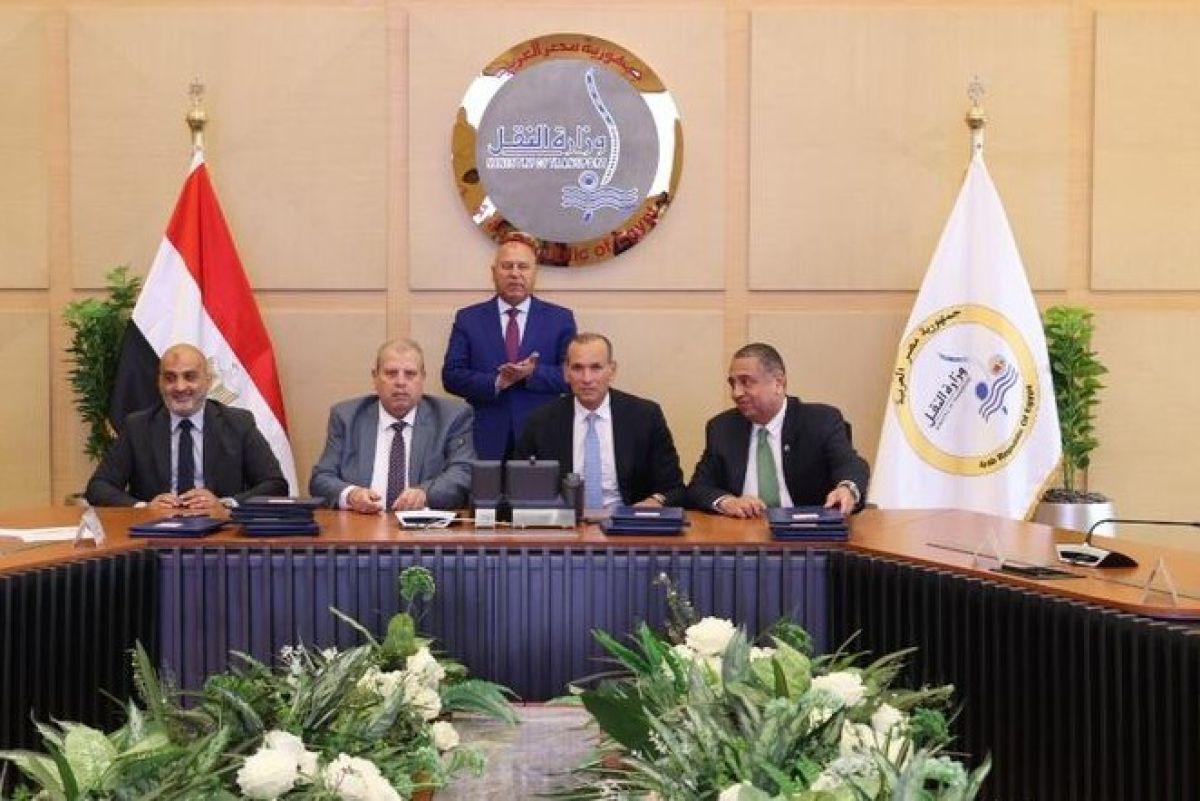
Egypt’s ambitious rail modernization program has taken a significant stride forward with the signing of four major contracts valued at €690 million, led by Alstom in collaboration with Rowad Modern Engineering and Concrete Plus. The agreements, finalized with the Egyptian National Railways (ENR), aim to transform two critical railway corridors—6th of October–Alexandria and Belbes–10th of Ramadan—through advanced digital systems, enhanced infrastructure, and operational efficiency improvements.
Alstom’s Strategic Role and Financial Commitment
Alstom, a global leader in rail solutions, will contribute approximately €300 million to the projects, underscoring its pivotal role in Egypt’s broader rail development strategy. The consortium’s work spans digital railway systems, telecommunications, power supply, civil engineering, and track rehabilitation, ensuring a holistic upgrade of Egypt’s rail network.
The 6th of October–Alexandria corridor, the largest of the four projects, represents €550 million of the total contract value, with Alstom’s share estimated at €240 million. This corridor, stretching between Egypt’s 6th of October City and Alexandria, is a vital economic artery connecting the Nile Delta to the Mediterranean coast. The modernization efforts will be executed in three distinct implementation phases, with a primary focus on reducing travel time by nearly 80 minutes across the entire route. This enhancement will not only improve passenger comfort but also boost freight logistics, supporting Egypt’s economic growth.
Key Innovations and Technological Upgrades
The 6th of October–Alexandria corridor will undergo a comprehensive digital transformation, integrating signaling systems, train control, and real-time monitoring to enhance safety and operational efficiency. Additionally, the project includes:
– High-capacity electrification to support faster, more reliable train services.
– Track rehabilitation to ensure smooth operations and extended asset lifespan.
– Advanced telecommunications infrastructure for seamless communication between rail operators and control centers.
The Belbes–10th of Ramadan corridor, valued at €140 million, with Alstom’s share at €60 million, serves as a critical link in Egypt’s eastern logistics corridor. This project will improve rail connectivity to the 10th of Ramadan Industrial Zone, a major economic hub, facilitating smoother movement of goods between dry ports, industrial facilities, and seaports. The upgrades will include:
– Track modernization to accommodate higher freight volumes.
– Enhanced signaling and safety systems to prevent delays and accidents.
– Power supply optimization to ensure uninterrupted operations.
Alignment with Egypt’s National Rail Development Vision
These contracts are part of Egypt’s long-term strategy to strengthen its rail infrastructure, particularly in supporting industrial zones, logistics hubs, and port connections. The Egyptian government has prioritized rail modernization as a key pillar of its economic diversification and infrastructure development plans, aiming to reduce reliance on road transport and improve cross-country connectivity.
Alstom’s CEO, Patrick Boivin, emphasized the significance of the project, stating:
“This partnership reflects our commitment to advancing Egypt’s rail network and supporting its vision for sustainable economic growth. By integrating digital innovation with robust infrastructure, we are not only enhancing efficiency but also setting a new standard for rail safety and reliability in the region.”
Expected Economic and Operational Benefits
The modernization initiatives are projected to deliver multi-faceted advantages, including:
1. Reduced Travel Times – The 6th of October–Alexandria corridor will see a near-80-minute reduction in journey times, benefiting both passengers and freight operators.
2. Increased Capacity – Enhanced track and signaling systems will allow for higher train frequencies, accommodating more passengers and cargo.
3. Improved Safety and Reliability – Advanced digital systems will minimize human error, reduce accidents, and ensure 24/7 operational monitoring.
4. Logistical Efficiency – The Belbes–10th of Ramadan corridor will strengthen Egypt’s eastern logistics network, facilitating faster and more cost-effective goods transportation.
5. Job Creation and Local Economic Impact – The projects will generate thousands of employment opportunities, both directly and indirectly, supporting local businesses and skilled labor.
Technical and Implementation Challenges
While the scope of the projects is ambitious, Alstom and its partners have outlined a structured implementation roadmap to address potential challenges:
– Civil Works and Track Reconstruction – Requires precise coordination to avoid disruptions to existing rail services.
– Digital System Integration – Ensuring seamless compatibility between legacy and new technologies.
– Supply Chain Logistics – Managing the procurement of high-tech equipment and materials from global and local suppliers.
– Training and Workforce Development – Preparing Egyptian rail personnel for advanced systems and safety protocols.
To mitigate these challenges, the consortium has engaged local subcontractors and training programs to build capacity within Egypt’s rail workforce, ensuring long-term sustainability beyond the project’s completion.
Broader Implications for Egypt’s Rail Sector
This €690 million investment marks one of the largest single contracts in Egypt’s rail history, signaling a shift toward large-scale infrastructure development. The success of these projects will serve as a blueprint for future rail expansions, potentially including:
– High-speed rail links between major cities.
– Intermodal transport hubs connecting rail, road, and port networks.
– Smart rail solutions leveraging AI and IoT for predictive maintenance and traffic optimization.
Conclusion: A Milestone in Egypt’s Rail Modernization Journey
The Alstom-led consortium’s contracts represent a landmark achievement in Egypt’s efforts to transform its rail infrastructure into a modern, efficient, and globally competitive network. By combining cutting-edge technology, strategic partnerships, and long-term planning, these projects will not only boost economic productivity but also position Egypt as a regional leader in rail innovation.
As the first phase of implementation begins, stakeholders—including government officials, private investors, and international rail experts—will closely monitor progress, with expectations of significant operational improvements within the next few years. This initiative underscores Egypt’s determination to leverage rail as a catalyst for sustainable growth, reinforcing its role as a hub of connectivity and economic activity in North Africa and beyond.
(Word count: ~650)
