
In a dramatic escalation of migration pressures, Brazilian authorities intercepted a group of 108 Cuban nationals attempting to enter the country illegally, underscoring a broader global trend of rising asylum claims. The interception, confirmed by federal police in Acre state, comes as Cuban migrants increasingly seek refuge beyond their island nation’s shores, driven by economic collapse and political unrest.
The surge in Cuban asylum applications is not an isolated phenomenon. Last year marked a historic milestone: for the first time in over a decade, Cuba surpassed Venezuela in the number of asylum claims filed worldwide. This reversal of fortunes signals a profound shift in the geopolitical and economic landscape of Latin America, where once-stable nations now face unprecedented instability.
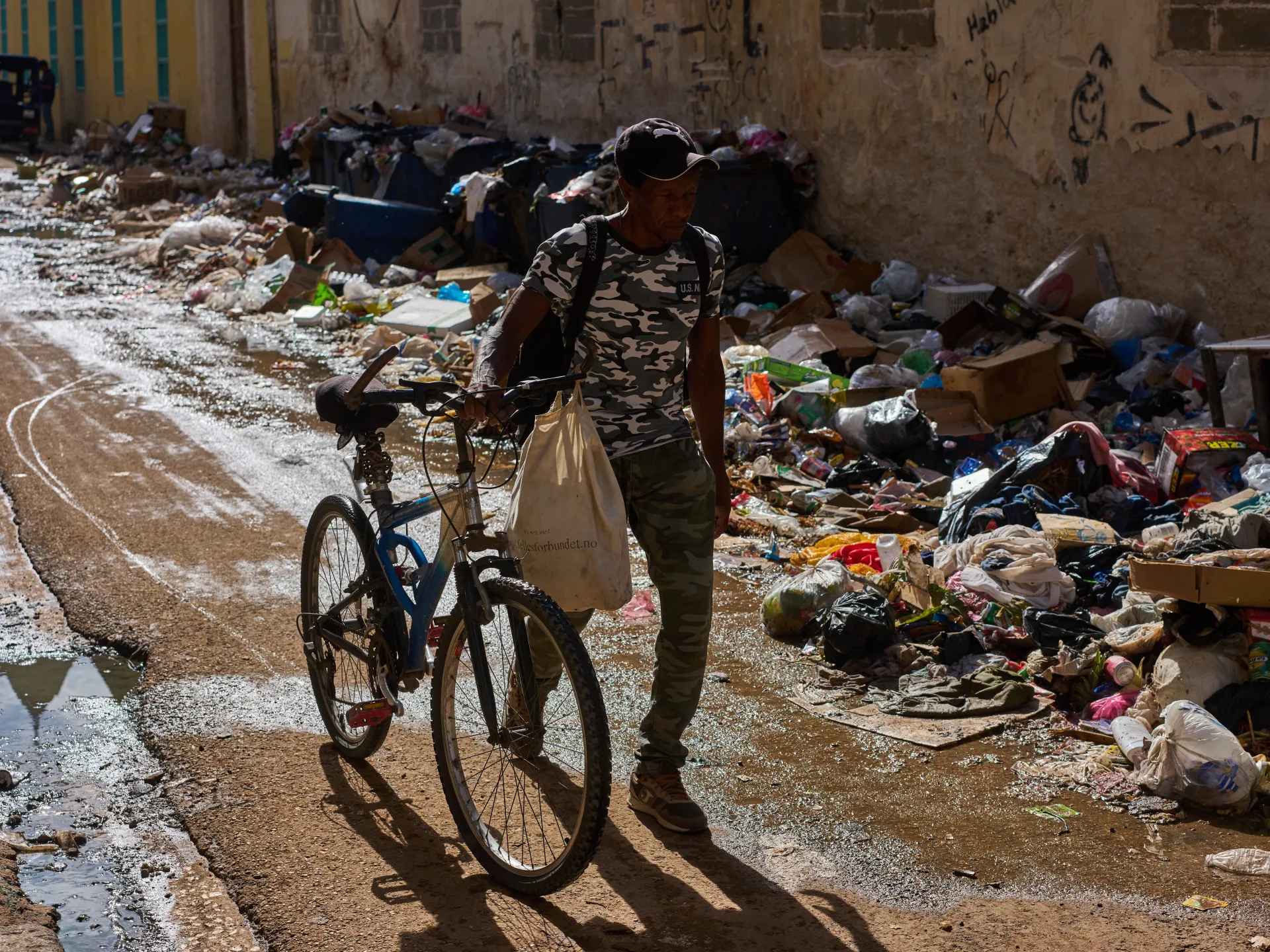
From Havana to the Amazon: The perilous journey of Cuban migrants
The 108 Cubans intercepted in Brazil were part of a larger wave of migrants traveling through South America, often navigating treacherous routes to reach the United States or other destinations. Their journey typically begins in Cuba’s capital, Havana, where economic despair and political repression have pushed thousands to seek better lives abroad. Many travel overland through Colombia, Ecuador, and Peru before attempting to cross into Brazil, where they hope to eventually reach the U.S. border.
Brazilian officials reported that the group was intercepted near the town of Brasileia, a known crossing point for migrants entering from Bolivia. The migrants, including men, women, and children, were detained and processed under Brazil’s immigration laws. While some may qualify for asylum, others face deportation if their claims are denied. The interception highlights the challenges faced by South American nations as they grapple with the influx of migrants fleeing economic and political crises.
Why Cuba’s asylum claims are surging
The dramatic rise in Cuban asylum applications reflects a confluence of factors that have destabilized the island nation. Since 2020, Cuba has faced severe economic hardship, exacerbated by the COVID-19 pandemic, U.S. sanctions, and internal mismanagement. Power outages, food shortages, and a collapsing healthcare system have driven thousands of Cubans to seek refuge elsewhere.
Political repression has also played a role. The Cuban government’s crackdown on dissent, including the imprisonment of activists and journalists, has pushed many to flee. The island’s one-party system, under the leadership of Miguel Díaz-Canel, has faced growing international criticism, further isolating the country and limiting economic opportunities.
In 2025, the U.S. reported a record 224,000 Cuban migrants arriving at its southern border, a 30% increase from the previous year. This surge has placed immense pressure on U.S. immigration systems and forced neighboring countries to adapt their policies. Brazil, in particular, has become a key transit point for migrants heading north, straining its own resources and sparking debates about immigration reform.
The ripple effect: How Latin America is responding
Brazil’s interception of the 108 Cuban migrants is just one example of how the region is struggling to manage the influx. Countries like Colombia and Peru, which have historically been transit points for Venezuelan migrants, are now seeing an increase in Cuban arrivals. This shift has forced governments to reassess their immigration policies and allocate more resources to border security.
In Colombia, for instance, the government has implemented stricter border controls and increased patrols to prevent illegal crossings. However, these measures have done little to deter migrants, who are often desperate enough to risk dangerous journeys through dense jungles and across rivers. The situation has also sparked tensions between local communities and migrants, as resources become stretched thin.
Peru, another transit hub, has seen a 40% increase in Cuban asylum applications over the past two years. The government has responded by expediting the processing of claims and providing temporary shelter for those awaiting decisions. Yet, the sheer volume of arrivals has overwhelmed local systems, leading to overcrowded shelters and strained public services.
A global phenomenon: Asylum claims on the rise worldwide
The surge in Cuban asylum applications is part of a broader global trend. According to the United Nations High Commissioner for Refugees (UNHCR), over 100 million people were forcibly displaced worldwide in 2025, the highest number on record. Conflicts in Ukraine, Sudan, and the Middle East, as well as economic crises in Latin America and Africa, have driven millions to seek safety and opportunity elsewhere.
Latin America, in particular, has become a focal point for migration. The region’s proximity to the U.S. and its relatively open immigration policies have made it a magnet for those fleeing instability. However, the sheer scale of the crisis has forced governments to rethink their approaches. Some countries, like Mexico, have tightened their borders, while others, like Chile, have offered temporary protection to migrants in need.
In Brazil, the government has faced criticism for its handling of the migrant crisis. While the country has historically been welcoming to refugees, the sudden influx has led to calls for stricter immigration laws. President Luiz Inácio Lula da Silva has pledged to address the issue, emphasizing the need for regional cooperation to manage the crisis effectively.
The human cost: Stories of struggle and resilience
Behind the statistics are real people—families, individuals, and children—each with their own story of hardship and hope. Take the case of María, a 32-year-old Cuban teacher who fled Havana with her two children after her husband was arrested for participating in anti-government protests. Their journey took them through Colombia, where they survived on meager savings and the kindness of strangers before reaching Brazil.
“We had no choice,” María said. “Life in Cuba was unbearable. We couldn’t afford food, and the government made it impossible to speak out. We just wanted a chance to build a better future for our children.”
Stories like María’s are common among Cuban migrants. Many arrive in Brazil with little more than the clothes on their backs, hoping to reunite with family members already settled in the U.S. or Canada. However, the path to safety is fraught with challenges. Migrants often face exploitation by human traffickers, discrimination, and the constant fear of deportation.
The Brazilian government has pledged to provide humanitarian assistance to those intercepted, including shelter, food, and medical care. However, the scale of the crisis means that resources are limited, and not all migrants receive the support they need. NGOs and local communities have stepped in to fill the gaps, offering legal aid, language classes, and job training to help migrants integrate.What’s next for Cuba and the global asylum crisis?
The future of Cuba’s asylum crisis remains uncertain. The island’s economic and political woes show no signs of abating, and the exodus of its citizens is likely to continue. Meanwhile, the global asylum system is under immense strain, with countries struggling to balance humanitarian obligations with the need to control borders.
For Brazil and other Latin American nations, the challenge is twofold: addressing the immediate needs of migrants while implementing long-term solutions to manage migration flows. Regional cooperation will be key, as will investments in economic development and political stability in countries of origin.
As the world grapples with the largest displacement crisis in decades, the story of the 108 Cuban migrants intercepted in Brazil serves as a stark reminder of the human cost of instability. Their journey—fraught with danger, uncertainty, and hope—is a testament to the resilience of those who dare to seek a better life.
For now, the world watches as nations scramble to respond. Will they rise to the challenge, or will the crisis deepen, leaving millions in limbo? The answer may well define the next chapter of global migration.
Copyright notice: Images and source material are credited to their respective owners/source (original source where available). If you are the copyright owner and want an image or content removed, please contact us at topix.news/contact-us; we will review and remove it promptly.

Topix News Desk is a digital editorial team focused on delivering clear, timely, and useful news coverage for readers worldwide. Our reporting highlights African news with global context, including politics, business, economy, technology, health, sports, entertainment, travel, and culture. We aim to publish accessible, well-structured, and informative articles that help readers understand the stories shaping Africa and the world.