

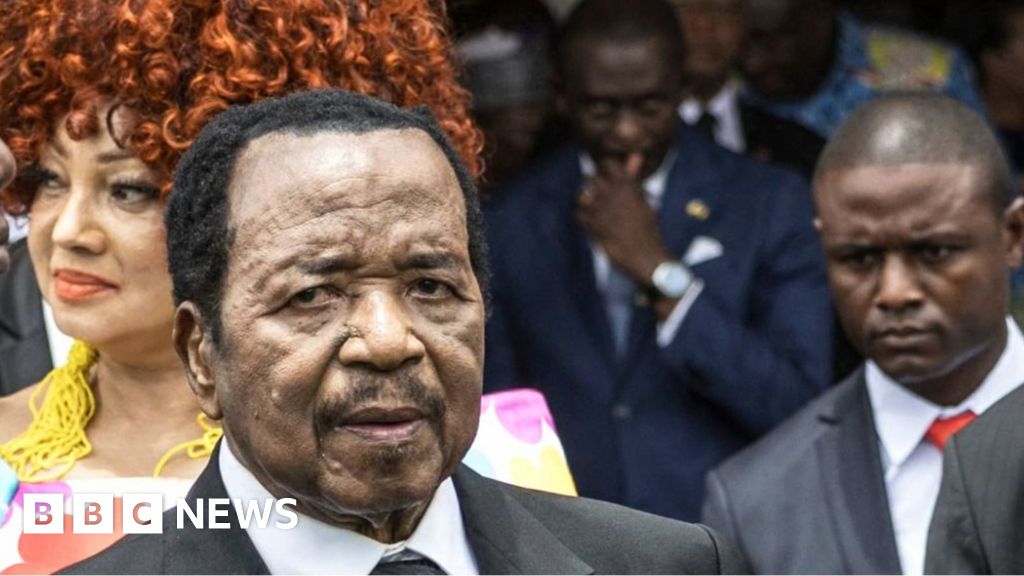
Cameroon’s long-serving President Paul Biya, who has remained out of public view for nearly two months, has undertaken a significant military reshuffle amid mounting public unease over his extended absence in Switzerland. The 93-year-old leader, who has not been seen in person since departing Cameroon on June 7, issued decrees from Geneva appointing key officials to critical military roles and promoting five colonels to the rank of brigadier general.
The latest personnel changes come as Cameroon grapples with institutional uncertainty, with critics questioning the legitimacy of governance during Biya’s prolonged foreign stay. The elite presidential guard, responsible for the president’s security, has seen continuity in leadership, as Raymond Jean Charles Beko’o Abondo—who has held the position since 2013—was reappointed following his promotion.
A Pattern of Military Reorganization Under Biya’s Rule
Such high-level military adjustments are not unprecedented under Biya’s 40-year presidency. Historically, the government has employed strategic reshuffles during periods of heightened political tension or perceived instability. The most notable precedent occurred after Gabon’s 2019 coup, which toppled the Bongo dynasty and sent shockwaves through Central Africa. Cameroon’s military leadership was swiftly overhauled to reinforce stability.
Similarly, in 2023, as Biya contested a controversial eighth term in the presidential election, the top ranks of the armed forces were restructured to consolidate power. Just this June, additional promotions within the defense and security apparatus were announced, further solidifying Biya’s control over Cameroon’s military apparatus.
Unanswered Questions Surrounding Biya’s Swiss Stay
The timing and circumstances of the latest military appointments have fueled public speculation and debate, particularly on social media platforms. Biya’s decrees were issued from Geneva, where he has remained since his departure, with his administration citing a “brief private stay” as the reason for his absence.
Cameroonians have expressed frustration over the lack of transparency, as the government has provided minimal updates on the president’s whereabouts or the expected duration of his trip. Biya had previously promised to form a new cabinet following the 2023 election, yet no such announcement has been made. Additionally, the vice-presidency position, created in April 2024, remains vacant, deepening concerns about governance gaps.
During his over 60-day absence, Biya has signed multiple decrees, including those authorizing his government to negotiate loan agreements with international financial institutions. While these moves suggest continued administrative activity, they have done little to alleviate fears about the stability of Cameroon’s leadership.
Health Concerns and Government Denials
Biya’s prolonged absence has reignited speculation about his health, with some reports suggesting he may be hospitalized or incapacitated. However, Cameroon’s Communication Minister, René Emmanuel Sadi, dismissed these claims in an interview with RFI, stating that the president is “alive and well” and expected to return soon.
Press freedom advocates have condemned the government’s restrictions on media coverage of Biya’s health, citing a 2022 decree that banned reporting on the president’s condition. Critics argue that such measures undermine transparency and contribute to public distrust in the government’s handling of the situation.
Opposition Calls for Immediate Return
The Cameroon Renaissance Movement (CRM), a prominent opposition party, has vehemently criticized Biya’s absence, describing it as a “glaring institutional vacuum.” CRM Vice-President Mamadou Mota argued that executive authority cannot be effectively exercised from abroad, stating:
“Executive power is exercised at the heart of the nation, not through smoke signals or telepathy from hotel suites on the other side of the world.”
The opposition’s stance reflects broader concerns among Cameroonians about the legitimacy of governance during Biya’s prolonged foreign stay, particularly as the country faces economic challenges, political unrest, and regional tensions.
Broader Implications for Cameroon’s Stability
As Cameroon navigates internal divisions and external pressures, Biya’s continued absence raises questions about the future of the nation’s leadership. While the military reshuffle may signal an attempt to reassert control, it has also heightened political volatility, with some analysts warning of potential institutional instability if Biya’s return is delayed further.
The situation underscores the urgency of clarifying Biya’s health status and restoring public confidence in Cameroon’s governance. Without transparency, the risk of social unrest, military intervention, or succession disputes looms large, particularly as the country prepares for future elections and regional challenges.

Cameroon’s President Paul Biya has remained out of public view since June, prompting military reshuffles and public speculation.

Military promotions, including the reappointment of the presidential guard commander, signal ongoing efforts to stabilize Cameroon’s leadership.

Critics argue that Biya’s prolonged absence creates an institutional void, undermining governance and public trust.
