

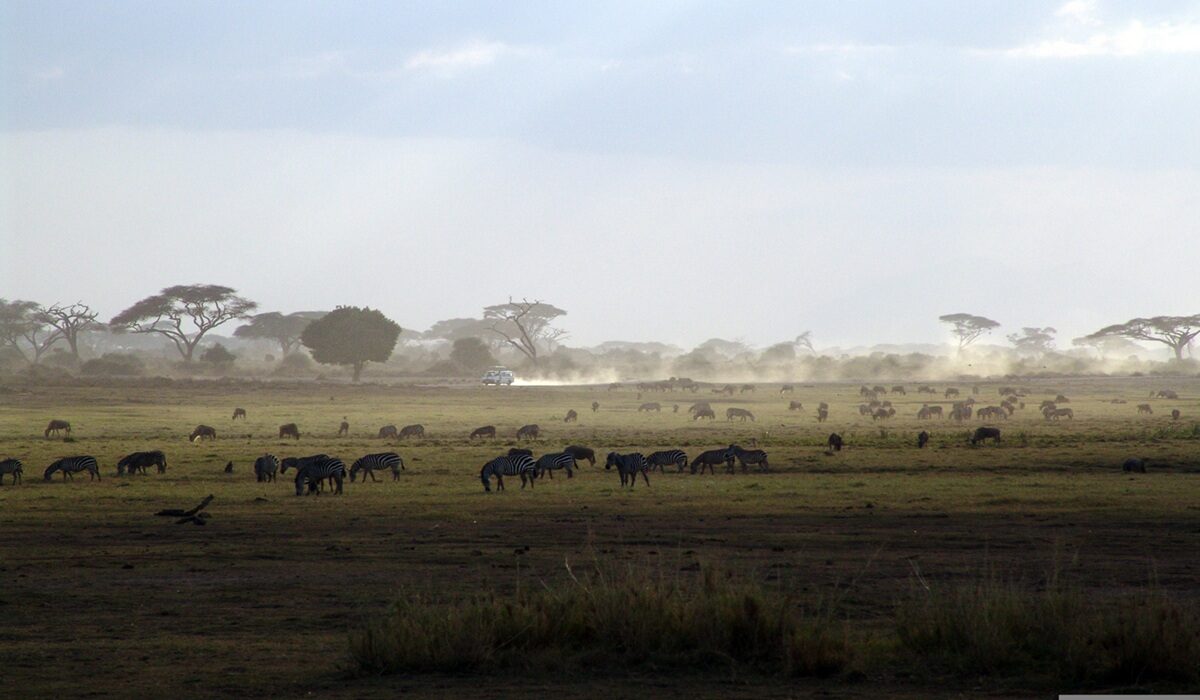
The ecological landscape of East Africa is undergoing one of the most profound transformations in modern conservation history. As human settlement expands, climate patterns destabilize, and wildlife populations face unprecedented pressures, traditional models of protected-area conservation are proving insufficient. In Kenya and its neighboring territories, a radical rethink of environmental governance is emerging—one that prioritizes collaborative stewardship, technological innovation, and legal safeguards to reconcile human development with the survival of iconic species. Recent ecological disruptions, including mass wildlife mortalities and the collapse of migration corridors, have accelerated this shift, positioning East Africa as a global leader in adaptive conservation strategies.
The Collapse of Isolationist Conservation: Why Fences Are No Longer Enough
For decades, East Africa’s conservation efforts relied on exclusionary strategies, where vast tracts of land were fenced off to create isolated sanctuaries for wildlife. While this approach protected species like elephants, lions, and wildebeest within national parks, it failed to account for the natural mobility of herbivores or the expanding human footprint encroaching on their historic ranges. Today, agricultural expansion, urban sprawl, and climate-induced droughts have fragmented these corridors, forcing animals into overcrowded, resource-depleted pockets where disease, starvation, and conflict with humans become inevitable.
The consequences are stark. In recent years, unprecedented wildlife die-offs—particularly among migratory species—have been linked to water scarcity, habitat degradation, and human-wildlife clashes. These crises have exposed a critical flaw in the old paradigm: wildlife cannot thrive in isolated pockets when their survival depends on vast, interconnected ecosystems. The solution now lies in expanding conservation beyond park boundaries, integrating human communities as active partners rather than obstacles.
The Rise of Community-Led Conservancies: Economic Incentives for Ecological Protection
A groundbreaking shift in East Africa’s conservation approach is the decentralization of land management, where local communities are no longer seen as threats but as essential custodians of the land. This model, known as community conservancies, operates on three core principles:
-
Shared Revenue from Sustainable Tourism
Local pastoralists and farmers receive direct financial benefits from eco-tourism, wildlife monitoring, and carbon credit programs. Unlike traditional park fees that often bypass local populations, conservancies distribute profits equitably, ensuring that protecting wildlife becomes economically viable for communities. -
Predator-Proof Infrastructure and Livestock Security
To mitigate human-wildlife conflict—particularly the predation of livestock by lions and hyenas—conservancies provide subsidized fencing, early warning systems, and compensation programs. These measures reduce retaliatory killings while encouraging coexistence. -
Land-Use Planning with Wildlife Corridors in Mind
Instead of treating protected areas as rigid boundaries, conservancies designate dynamic migration routes that allow wildlife to move freely between grazing lands. This approach ensures that elephants, zebras, and other herbivores can access seasonal resources without being trapped in shrinking habitats.
The results have been transformative. In Maasai Mara, Serengeti, and the Amboseli ecosystem, conservancies have reduced poaching by up to 70% while improving local livelihoods. By turning conservation into a shared economic priority, these initiatives prove that human prosperity and biodiversity conservation are not mutually exclusive.
Technology as a Force Multiplier: Data-Driven Conservation in Real Time
The integration of cutting-edge technology has further revolutionized East African conservation, enabling proactive rather than reactive wildlife management. Key innovations include:
-
Satellite and GPS Telemetry
Wildlife researchers now track herd movements, water sources, and disease hotspots in real time using collared animals and drone surveillance. This allows for immediate intervention when droughts or epidemics threaten populations. -
Automated Environmental Sensors
IoT (Internet of Things) devices monitor soil moisture, vegetation health, and temperature trends, providing early warnings of ecological stress before it becomes catastrophic. -
AI-Powered Disease Surveillance
Machine learning algorithms analyze wildlife health data to predict outbreaks of anthrax, rinderpest, and other deadly pathogens, allowing authorities to vaccinate at-risk herds preemptively.
These technological advancements are particularly crucial in an era of accelerating climate change, where unpredictable weather patterns can rapidly degrade ecosystems. By combining local knowledge with data analytics, conservationists are adapting strategies in real time—a necessity for survival in an age of rapid environmental change.
Legal Protections: Courts as Guardians of Wildlife Corridors
The success of community conservancies has been reinforced by regional legal frameworks that prioritize ecological integrity over short-term development. In recent years, East African courts have issued landmark rulings that:
- Invalidate illegal land encroachments into critical wildlife migration zones.
- Mandate environmental impact assessments for large-scale infrastructure projects (e.g., dams, highways) that could disrupt ecosystems.
- Uphold indigenous land rights, ensuring that traditional pastoralist communities retain control over their ancestral territories.
One notable case involved the Kenya High Court’s 2022 ruling against a commercial farm encroaching on the Serengeti-Mara ecosystem. The court ordered its immediate relocation, citing the constitutional right to a healthy environment and the ecological necessity of unbroken migration corridors. Such legal victories have strengthened conservation efforts by providing institutional backing against speculative development.
The New Reality: Most Wildlife Lives Outside Parks
A seismic shift in conservation thinking has emerged from a hard truth: Over 60% of Kenya’s native wildlife resides outside formally protected national parks. Unlike the static boundaries of reserves, wild herds naturally disperse across vast pastoral rangelands in search of seasonal forage and water. This means that the survival of species like the African elephant and wildebeest depends entirely on the permeability of non-protected lands.
To address this, hundreds of thousands of hectares have been designated as community-managed conservancies, effectively expanding the protective umbrella of conservation beyond government-controlled borders. These decentralized networks ensure that wildlife can move freely, reducing the risks of inbreeding, disease, and starvation that plague isolated populations.
The success of this model is evident in the Maasai Mara’s Great Migration, where millions of wildebeest and zebras traverse private ranches and communal lands without barriers. By aligning pastoralist interests with wildlife conservation, these initiatives demonstrate that traditional land-use practices can coexist with megafauna—if managed collaboratively.
A Blueprint for Global Conservation?
East Africa’s evolutionary approach to conservation offers a scalable model for other regions facing climate change, urbanization, and biodiversity loss. The key lessons include:
✔ Community engagement is non-negotiable—local populations must be financially and legally empowered to protect wildlife.
✔ Technology must complement traditional knowledge—data-driven monitoring enhances, rather than replaces, indigenous ecological expertise.
✔ Legal frameworks must evolve—courts play a critical role in balancing development with ecological preservation.
✔ Conservation must extend beyond parks—wildlife survival depends on permeable, interconnected landscapes.
As East Africa navigates this new era of ecological stewardship, the continent is not just preserving its wildlife—it is redefining the very relationship between humans and nature. The question now is whether the rest of the world will follow suit before it is too late.
