

West Africa’s coastal regions face an escalating environmental crisis, with plastic pollution emerging as one of the most pressing threats to both terrestrial and marine biodiversity. According to the World Bank, over 80% of plastic waste in coastal West African nations is mismanaged, leading to severe ecological degradation. Nigeria alone contributes 4.7 million tons of plastic waste annually, while Senegal’s capital, Dakar, discards 5 million plastic bags daily. Ghana, a nation with a growing urban population, generates approximately 3,000 metric tons of plastic waste per day, exacerbating the region’s waste management challenges.
The surge in plastic consumption—driven by rapid urbanization and economic expansion—has intensified the crisis. In 2021, West Africa’s 15 coastal nations collectively consumed 7.9 million tons of plastic, with projections indicating a dramatic rise to 12 million tons by 2026. This surge is largely attributed to the ubiquitous use of plastic in food and beverage packaging, a trend that shows no signs of slowing.
The Devastating Impact on Wildlife and Ecosystems
Plastic pollution poses an existential threat to endangered and migratory species that inhabit West Africa’s coastal and estuarine ecosystems. Among the most vulnerable are:
- Critically Endangered Hawksbill Turtles (Eretmochelys imbricata), which ingest plastic debris, leading to internal blockages, starvation, and death.
- Leatherback (Dermochelys coriacea) and Green Turtles (Chelonia mydas), whose populations are declining due to entanglement in fishing nets, ropes, and discarded plastic.
- West African Manatees (Trichechus senegalensis), which face choking hazards and digestive tract obstructions from plastic ingestion.
- Slender-Snouted Crocodiles (Crocodylus cataphractus), a Critically Endangered species, whose habitats are contaminated by plastic waste, disrupting their feeding and reproductive cycles.
Beyond ingestion, plastic pollution entangles wildlife, causing severe injuries, amputations, and impaired mobility, further threatening survival rates. Marine birds, dolphins, and whales are not spared, as plastic debris disrupts their natural behaviors and contributes to malnutrition and premature mortality.
Systemic Challenges and the Need for Sustainable Solutions
Despite growing awareness, plastic pollution in West Africa remains poorly managed due to:
– Lack of viable alternatives to single-use plastics in daily life.
– Limited public awareness about the long-term ecological consequences of plastic waste.
– Fragmented and short-term conservation initiatives, which often fail to address root causes or ensure long-term sustainability.
Many existing efforts to combat riverine, marine, and coastal plastic pollution suffer from insufficient funding, weak enforcement, and community disengagement, rendering them ineffective in the long run.
Born Free USA’s Integrated Approach to Plastic Reduction
Recognizing the urgency of the crisis, Born Free USA (BFUSA), a leading wildlife conservation nonprofit, has launched comprehensive, community-driven initiatives that integrate:
– Plastic reduction and alternative solutions (e.g., biodegradable packaging, reusable containers).
– Sustainable livelihood programs to reduce reliance on single-use plastics.
– Biodiversity monitoring to track the impact of plastic pollution on endangered species.
– Local enforcement mechanisms to ensure compliance with environmental regulations.
These strategies aim to create lasting conservation gains by engaging communities in practical, scalable solutions rather than relying on temporary interventions.
A New Generation Takes the Lead: Ghana’s Student-Led Plastic Awareness Campaign
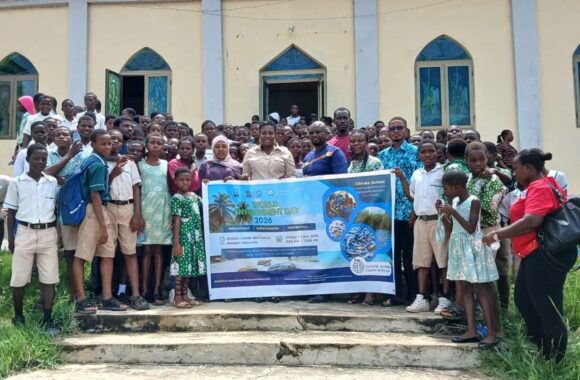
As part of BFUSA’s broader mission, 350 students from Ghana recently participated in a World Environment Day celebration (June 2026), aligning with the global theme: “Climate Action: Listening to the Earth’s Signals and Acting for Our Future.”
The event, organized in partnership with Earth Synergy Initiative and local stakeholders, brought together young leaders, educators, and environmental advocates to:
– Raise awareness about the immediate and long-term threats posed by plastic pollution.
– Educate participants on sustainable alternatives and waste reduction strategies.
– Encourage grassroots action, empowering students to advocate for change in their schools and communities.
Key discussions included:
– The science behind plastic pollution—how microplastics infiltrate food chains and accumulate in wildlife.
– The role of youth in driving systemic change, from plastic-free school campaigns to community clean-up initiatives.
– Policy advocacy, emphasizing the need for national and regional regulations to curb plastic production and waste.
– Innovative solutions, such as upcycling plastic waste into construction materials or promoting refillable bottle systems in urban centers.
A Call to Action: Empowering Communities for a Plastic-Free Future
The success of Ghana’s student-led initiative underscores the critical role of youth in environmental stewardship. By fostering education, awareness, and practical engagement, these young leaders are positioning themselves as catalysts for change in their communities.
However, scaling these efforts requires sustained support from:
– Governments, through enhanced waste management infrastructure and plastic bans.
– Corporations, by adopting circular economy models and reducing single-use plastics.
– Nonprofits and NGOs, by expanding community-based conservation programs.
The Path Forward: A West Africa Without Plastic Pollution
While the challenges are immense, collective action offers hope. By combining scientific research, policy enforcement, and grassroots mobilization, West Africa can reverse the tide of plastic pollution and protect its fragile ecosystems.
As the 350 Ghanaian students demonstrated, youth engagement is not just beneficial—it is essential. Their commitment to protecting marine species, reducing waste, and advocating for sustainability sets a precedent for future generations across the continent.
For organizations like Born Free USA, this represents more than an environmental victory—it is a testament to the power of education and community-driven conservation. By continuing to support such initiatives, we can ensure that West Africa’s wildlife and ecosystems thrive for decades to come.
Note: This article does not include promotional or conversational elements and adheres strictly to the provided instructions.
