

South Africa’s mining industry stands at a critical juncture, where technological advancements—particularly artificial intelligence (AI) and digital transformation—are redefining operational efficiency, safety standards, and long-term sustainability. Despite persistent challenges such as policy delays, underinvestment in exploration, and global competition, the sector is increasingly adopting cutting-edge tools to mitigate decline, extend mine lifespans, and unlock new economic opportunities. According to industry experts, the integration of AI and fourth industrial revolution (4IR) technologies is no longer a futuristic aspiration but a tangible reality reshaping how mines operate.
AI as a Catalyst for Smarter, Safer, and More Productive Mining
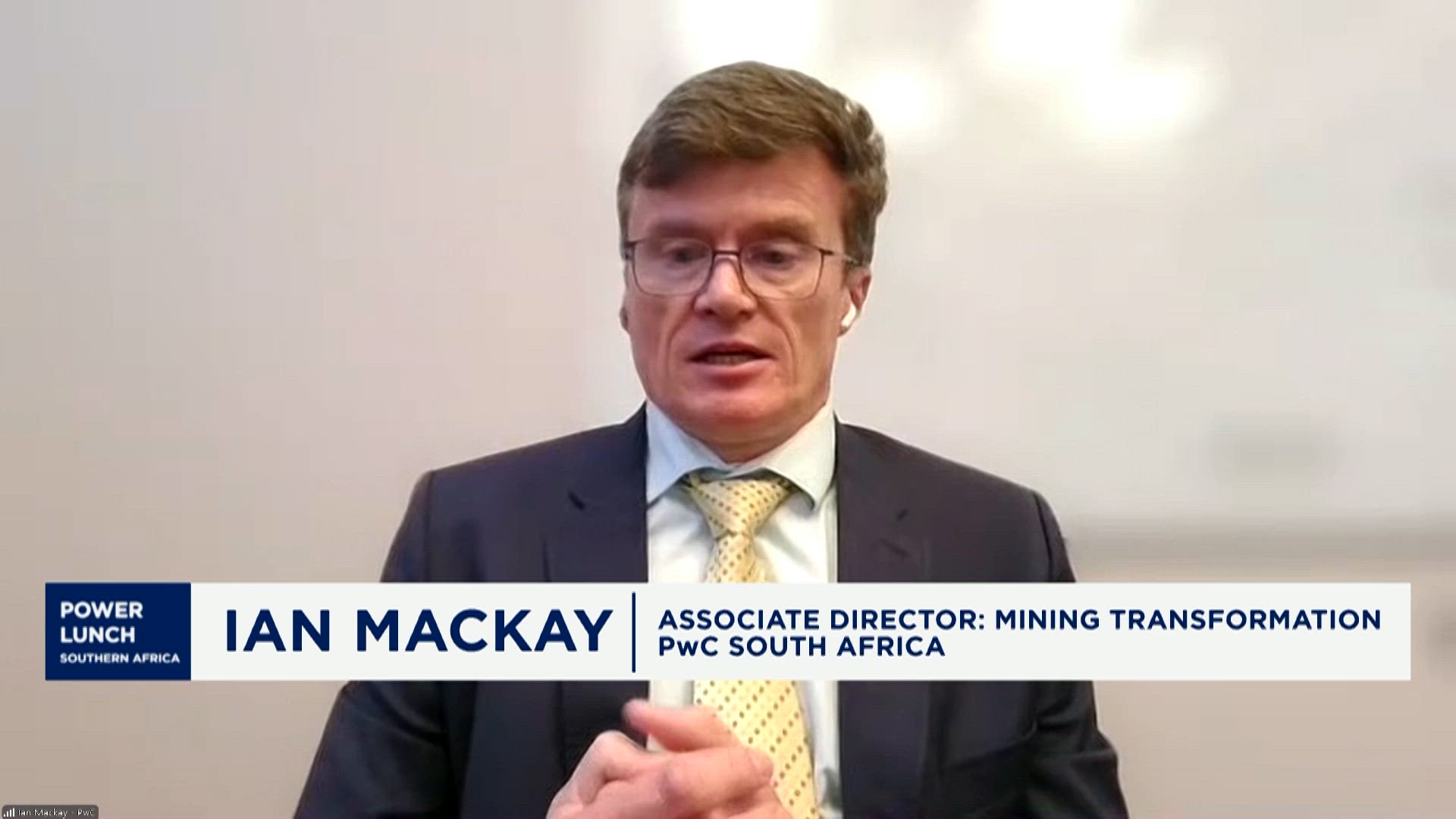
Ian Mackay, associate director for mining transformation at PwC South Africa, emphasizes that AI has transitioned from theoretical experimentation to a practical, high-impact solution across core mining functions. Companies are leveraging AI-driven systems for predictive maintenance, enabling proactive repairs before equipment failures occur, thereby reducing downtime and maintenance costs. Real-time safety monitoring is another critical application, where AI-powered sensors and drones detect hazards—such as gas leaks, structural weaknesses, or unauthorized personnel—before incidents escalate. Geological analysis has also been revolutionized, with AI models processing vast datasets to identify high-value ore deposits with unprecedented precision, while energy optimization tools minimize waste and operational expenditures.
A recent study commissioned by the Minerals Council South Africa underscores this shift, revealing that while South Africa’s mining sector is adopting digital tools at a rapid pace, it still lags behind global peers in sustained innovation ecosystems. Mackay highlights that the real breakthrough lies in measurable returns from AI implementations. While not every pilot project succeeds, the growing number of successful deployments is reshaping operational paradigms, proving that technology can deliver tangible value—from cost reductions to extended asset lifespans.
The Exploration Crisis and AI’s Potential to Unlock New Deposits
One of the most pressing structural challenges facing South Africa’s mining industry is the collapse of exploration activity. Over the past two decades, exploration expenditures have plummeted to approximately 4% of historical levels, severely limiting the discovery of new mineral deposits. This decline has left the sector with fewer large-scale projects in the pipeline, exacerbating economic dependence on aging mines and deepening concerns about long-term sustainability.
Mackay argues that AI could reverse this trend by enabling more efficient and data-driven exploration strategies. A compelling example comes from KoBold Metals, which used AI to analyze centuries of geological data in Zambia, leading to the discovery of a major copper deposit that traditional methods might have overlooked. This case demonstrates how digital tools can augment human expertise, uncovering hidden opportunities in vast, under-explored datasets.
For South Africa, the implication is clear: digital capability must extend beyond operational efficiency to include prospecting and discovery. By integrating AI into exploration workflows, the industry could attract new investment, revive employment opportunities, and restore its economic significance. However, Mackay cautions that technology alone cannot solve systemic issues—coordinated policy support and regulatory reform are equally essential.
Policy and Regulatory Bottlenecks: The Weakest Link in South Africa’s Mining Revival
While South Africa possesses many of the technological and human capital assets needed for a mining renaissance, policy execution remains the critical bottleneck. Comparative analysis with Australia and Canada—two of the world’s most competitive mining jurisdictions—reveals that their success stems from aligned ecosystems where government, industry, and academia collaborate seamlessly. In these markets, policy, regulation, and investment conditions evolve in tandem, creating an environment conducive to exploration, project development, and technological innovation.
Mackay identifies three key areas where South Africa falls short:
1. Licensing and Application Processing Delays – Over 5,000 outstanding applications for mining permits and exploration licenses create uncertainty and deter investment. Slow administrative processes stifle decision-making, forcing potential investors to reconsider South Africa in favor of jurisdictions with faster approvals and clearer regulatory frameworks.
2. Lack of Transparent Mineral Cadastre Systems – Investors require real-time visibility into mineral rights, environmental assessments, and project feasibility. South Africa’s fragmented and opaque systems make it difficult for foreign capital to assess risks, while competitors like Zambia, Namibia, and Zimbabwe offer more streamlined processes.
3. Inconsistent Policy Coordination – For AI and digital tools to maximize impact, they must be supported by progressive legislation that encourages innovation while addressing social and environmental concerns. Without predictable regulatory environments, even the most advanced technologies struggle to gain traction.
Mackay stresses that administrative speed is non-negotiable. “We cannot afford a situation where applications languish for years,” he states. “Investors need clear timelines, transparent processes, and efficient dispute resolution to proceed with confidence.”
Extending Mine Life Through Data-Driven Optimization
Beyond exploration, AI and digital tools are prolonging the viability of existing mines by enabling more efficient extraction and processing. Many of South Africa’s mines operate on aging infrastructure, with deeper ore bodies and lower-grade deposits making traditional extraction methods economically unviable. However, AI-driven real-time monitoring and adaptive processing allows operators to:
– Tailor extraction techniques to the unique characteristics of each ore body, maximizing metal recovery.
– Optimize energy and water usage, reducing operational costs in a high-input industry.
– Predict equipment failures before they disrupt production, minimizing unplanned downtime.
Mackay highlights that these advancements shift mining from reactive maintenance to proactive optimization, ensuring that mines operate at peak efficiency even as ore quality declines. “It’s about getting the best possible yield from what you already have,” he explains. “Instead of relying on historical norms, decisions are now data-driven, leading to smarter, more sustainable operations.”
The Human Factor: AI as an Augmentor, Not a Replacer
A persistent concern surrounding AI adoption is its potential to displace jobs. However, Mackay dismisses this narrative, arguing that mining remains a highly specialized and labor-intensive industry where human expertise is irreplaceable. Instead of replacing workers, AI is augmenting their capabilities, allowing miners to focus on higher-value tasks while reducing exposure to dangerous conditions.
“AI doesn’t replace the miner—it enhances their performance,” Mackay states. “Workers use the technology to complete tasks 60% faster, then spend the remaining time analyzing results and improving methods.” This shift not only improves safety but also uplifts the skill sets of the workforce, preparing them for more complex roles in a digitalized industry.
The Path Forward: Balancing Technology and Policy
The future of South Africa’s mining sector hinges on two parallel tracks:
1. Accelerating Digital Transformation – Continued investment in AI, IoT (Internet of Things), and automation to enhance productivity, safety, and exploration capabilities.
2. Reforming Regulatory Frameworks – Streamlining licensing processes, improving transparency in mineral rights, and aligning policy with global best practices to attract investment.
Without cohesive policy action, even the most advanced technologies will struggle to deliver sustained growth. Mackay warns that if South Africa fails to match its technological momentum with regulatory reform, AI and digital innovation may remain band-aid solutions rather than catalysts for a true economic revival.
For now, the industry is at a pivotal moment. If the right conditions are created—faster approvals, clearer investment signals, and a supportive innovation ecosystem—South Africa could position itself as a leader in Africa’s mining renaissance. The question is no longer whether technology will transform the sector, but how quickly policy can keep pace.
