

UNESCO and Egypt Collaborate to Elevate Technical Education, AI, and Digital Media Across Africa
CAIRO, 6 August 2026 — In a landmark meeting at the Cabinet Headquarters in New Alamein City, UNESCO Director-General Khaled El-Enany and Egyptian Prime Minister Mostafa Madbouly announced a comprehensive strategic partnership aimed at transforming technical education, artificial intelligence (AI), and digital media in Egypt and beyond. The collaboration also extends to pan-African initiatives, positioning Egypt as a regional leader in education, cultural preservation, and technological innovation.
Key Focus Areas of the UNESCO-Egypt Collaboration
1. Enhancing Technical Education and Workforce Development
One of the primary objectives of the partnership is to strengthen Egypt’s technical education sector by modernizing curricula, upgrading vocational training programs, and empowering educators with cutting-edge pedagogical tools. UNESCO will assist in:
– Developing industry-aligned technical programs to meet the demands of Egypt’s rapidly evolving job market.
– Strengthening teacher training initiatives to ensure instructors possess up-to-date expertise in emerging technologies, including AI-driven learning platforms.
– Establishing regional training hubs to support African nations in adopting best practices in technical and vocational education (TVET).
“Technical education is the backbone of sustainable economic growth,” El-Enany emphasized. “By equipping students with practical, future-ready skills, we can bridge the gap between education and industry, ensuring a skilled workforce for the digital age.”
2. Integrating Artificial Intelligence into Education and Industry
AI is emerging as a game-changer in education, and UNESCO’s collaboration with Egypt will focus on:
– Implementing AI-powered educational tools to personalize learning experiences and improve student engagement.
– Developing ethical AI frameworks to ensure responsible adoption in both education and industry.
– Launching pilot programs in Egyptian schools and universities to integrate AI-assisted teaching methodologies.
Prime Minister Madbouly highlighted Egypt’s proactive stance in AI development, stating:
“Egypt is committed to leveraging AI not just for economic growth but also for social transformation. This partnership with UNESCO will help us scale AI applications in education, ensuring no student is left behind in the digital revolution.”
3. Revitalizing Digital Media and Cultural Heritage
Beyond technical education, the collaboration will promote digital media literacy and preserve Africa’s cultural heritage through:
– Supporting digital archiving projects to document and safeguard ancient manuscripts, artifacts, and intangible cultural traditions.
– Developing multimedia training programs for journalists, filmmakers, and content creators to enhance digital storytelling and media production skills.
– Transferring Egypt’s expertise in heritage conservation—such as the Grand Egyptian Museum project—to African nations to protect and promote their own cultural landmarks.
“Cultural heritage is a shared legacy,” El-Enany remarked. “By sharing Egypt’s methodologies in museum development and digital preservation, we can ensure that Africa’s historical narratives are accessible, preserved, and celebrated for future generations.”
4. Expanding Pan-African Educational and Cultural Initiatives
The partnership extends beyond Egypt’s borders, with UNESCO and Egypt coordinating pan-African projects to:
– Standardize technical education curricula across African nations to foster regional economic integration.
– Revive traditional crafts and artisan skills through digital and vocational training programs.
– Establish cross-border educational exchanges to promote cultural diplomacy and knowledge sharing.
Prime Minister Madbouly reaffirmed Egypt’s leadership role in African cooperation, stating:
“Egypt is not just a partner in this initiative—we are a bridge connecting UNESCO’s global expertise with Africa’s rich cultural and educational potential. Together, we can transform education systems and empower the continent’s youth.”
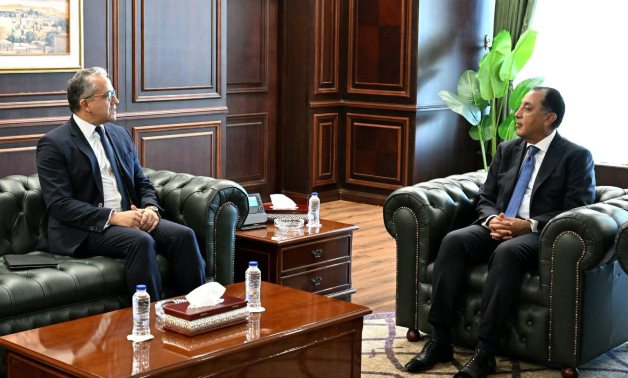
UNESCO Director-General Khaled El-Enany (L) and Prime Minister Mostafa Madbouly (R) discuss strategic collaboration during their meeting in New Alamein City, 6 August 2026.
The high-level dialogue underscored Egypt’s commitment to UNESCO’s mission, particularly in education, science, and culture, while positioning the country as a regional hub for innovation.
A conceptual illustration of AI-driven education tools being integrated into Egyptian classrooms as part of the UNESCO-Egypt partnership.
The initiative aims to democratize access to advanced learning technologies, ensuring that rural and underserved communities benefit from AI-enhanced education.
Egyptian students participating in a vocational training workshop, showcasing hands-on technical skills developed through UNESCO-supported programs.
The focus on hands-on, industry-relevant training is designed to reduce youth unemployment by aligning education with market demands.
The Grand Egyptian Museum as a model for heritage conservation and digital archiving, which UNESCO plans to replicate in African nations.
By sharing Egypt’s expertise in museum development, the partnership seeks to preserve Africa’s historical treasures while boosting tourism and cultural exchange.

A digital media workshop in Cairo, where journalists and content creators are trained in modern multimedia techniques under UNESCO’s guidance.
The program emphasizes digital literacy and ethical journalism, ensuring that African media professionals can compete globally while maintaining cultural authenticity.
Prime Minister Madbouly addressing a panel discussion on Africa’s education future during the UNESCO-Egypt collaboration summit.
The meeting highlighted key challenges and opportunities in technical education, AI adoption, and digital media, with Egypt pledging financial and logistical support for African projects.
A side event featuring Egyptian and African educators discussing best practices in teacher training and curriculum development.
The exchange of pedagogical strategies aims to improve teaching quality across the continent, ensuring equitable access to quality education.
A digital archive project in an African nation, modeled after Egypt’s heritage preservation techniques, supported by UNESCO funding.
The initiative will digitize ancient texts, artifacts, and oral histories, making them available online for researchers and students worldwide.
Students in a rural Egyptian village using AI-powered learning tools, demonstrating the partnership’s reach beyond urban centers.
The program ensures that geographical barriers do not hinder access to modern education, particularly in remote and underserved regions.
UNESCO and Egyptian officials signing a memorandum of understanding (MoU) formalizing the strategic collaboration in technical education and AI.
The legally binding agreement outlines specific milestones, funding commitments, and joint project timelines, ensuring accountability and transparency.
A futuristic classroom equipped with AI and digital media tools, representing the vision for Egypt’s next-generation education system.
The partnership envisions smart classrooms where AI tutors, virtual reality (VR) simulations, and interactive digital content enhance learning outcomes.
African youth participating in a vocational skills training program, funded by the UNESCO-Egypt collaboration.
The program focuses on high-demand sectors such as renewable energy, software development, and digital marketing, preparing students for global job markets.
A cultural exchange event where Egyptian and African artists collaborate on a digital heritage project, blending traditional and modern techniques.
The initiative promotes cultural synergy, ensuring that African traditions are preserved while adapting to digital innovation.
A Vision for Africa’s Educational Future
The UNESCO-Egypt partnership is more than a bilateral agreement—it is a blueprint for Africa’s educational and technological transformation. By combining Egypt’s expertise in heritage conservation, AI, and digital media with UNESCO’s global standards, the collaboration aims to:
✅ Equip millions of African students with future-ready skills.
✅ Preserve and digitize the continent’s cultural heritage.
✅ Bridge the digital divide through accessible, high-quality education.
✅ Position Africa as a leader in innovation and sustainable development.
As El-Enany concluded:
“This partnership is a testament to Egypt’s leadership in Africa and its commitment to UNESCO’s mission. Together, we are not just shaping education—we are redefining the future.”
© 2026 Topix GlobalWire
