
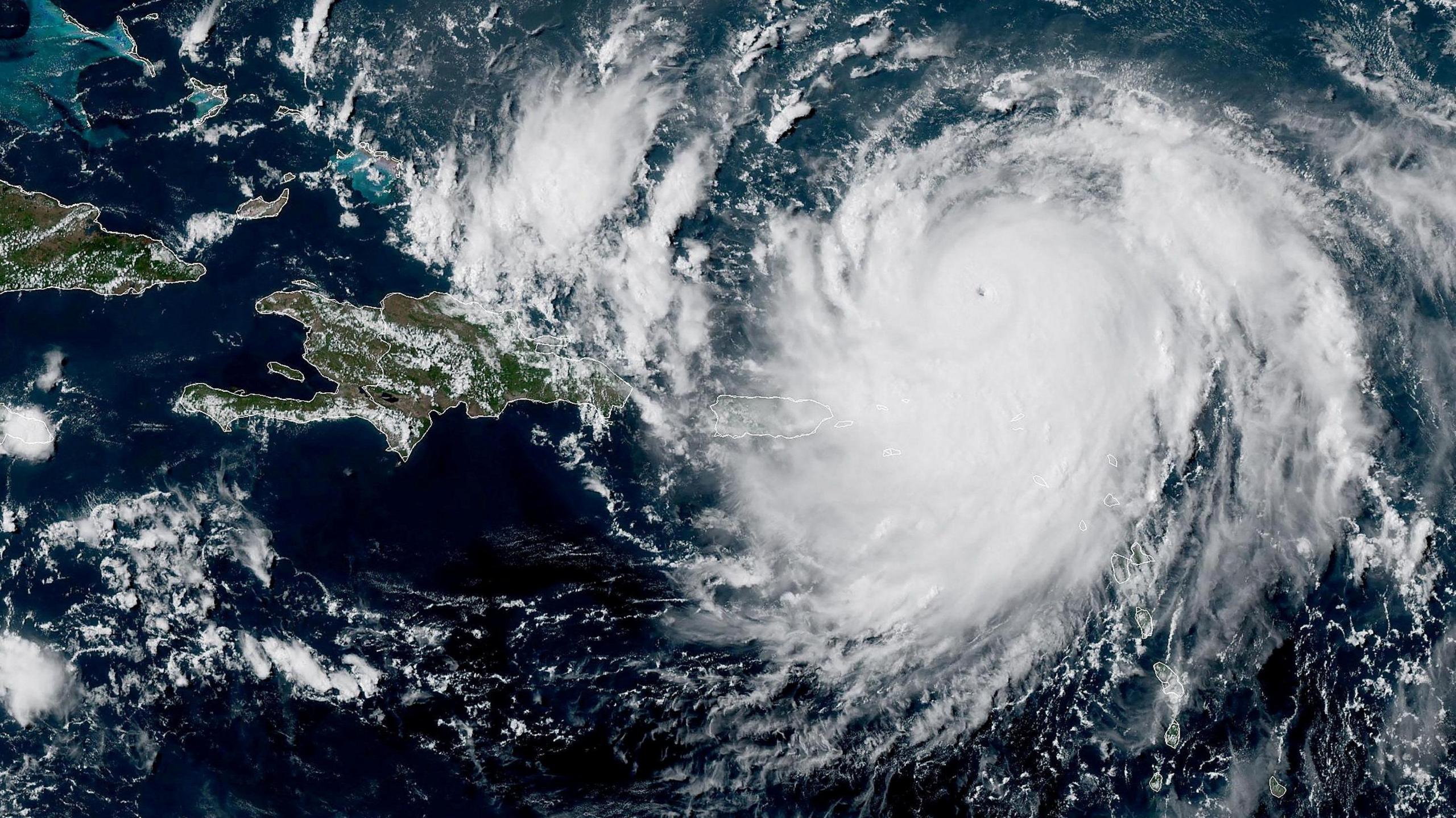
Forecasters are already turning their attention to the 2026 Atlantic hurricane season, and the early signals suggest it could be less active than usual. Yet, as history has repeatedly shown, even a single storm can reshape coastlines, uproot communities, and leave scars that linger for years. The National Oceanic and Atmospheric Administration (NOAA) and other leading meteorological agencies have released preliminary outlooks, painting a picture of a season that may defy the dramatic escalation seen in recent decades. While the numbers matter, the real question isn’t just how many storms will form—it’s whether any of them will make landfall.
The Science Behind the Forecast: What’s Driving the Prediction?
Several key atmospheric and oceanic factors are converging to suggest a milder 2026 season. Forecasters point to the expected development of La Niña conditions in the Pacific, which typically reduce wind shear over the Atlantic. Wind shear—the change in wind speed and direction with altitude—can tear apart developing storms before they strengthen. A weaker shear environment often allows tropical systems to organize more efficiently, but this year, the opposite may occur. Additionally, sea surface temperatures in the tropical Atlantic are projected to be slightly cooler than average, depriving potential storms of the warm water fuel they need to intensify.
Yet, these same factors that suppress storm formation also create a paradox. Cooler ocean temperatures can lead to more stable air masses, reducing the likelihood of widespread thunderstorm activity—the very engine that drives hurricane development.
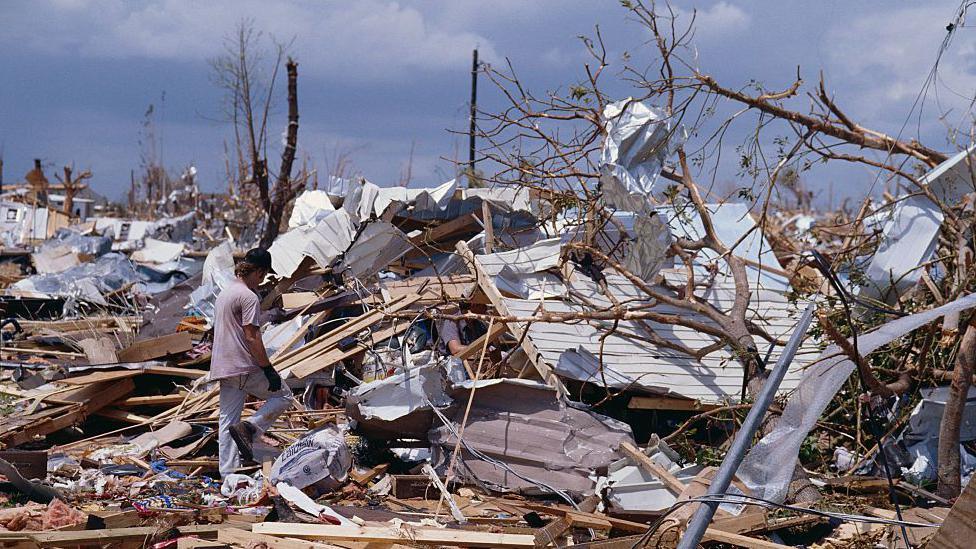
This delicate balance means forecasters are hedging their bets; while the overall number of named storms may fall below the historical average, the intensity of any individual system remains unpredictable. The Atlantic basin has seen seasons with fewer storms produce some of the most destructive hurricanes on record, including Hurricane Andrew in 1992, which formed during a relatively quiet year.
Historical Context: Quiet Seasons with Catastrophic Outcomes
The 1992 Atlantic hurricane season serves as a stark reminder that headline numbers don’t tell the full story. With just seven named storms, it was one of the least active seasons in decades. Yet, when Hurricane Andrew made landfall in South Florida as a Category 5 storm, it became the costliest natural disaster in U.S. history at the time, causing $27 billion in damages (adjusted for inflation) and leaving 65 people dead. The storm’s rapid intensification from a tropical depression to a major hurricane in less than 36 hours underscored the danger of underestimating even a seemingly modest season.
More recently, the 2010 season produced 19 named storms, yet none made direct landfall in the United States. In contrast, the 2017 season, which saw 17 named storms, included Harvey, Irma, and Maria—three of the most destructive hurricanes in modern history. The lesson is clear: the absence of a busy season doesn’t guarantee safety. Forecasters emphasize that coastal residents should never let their guard down, regardless of the long-range predictions. Preparedness, not complacency, remains the best defense against nature’s unpredictability.
Regional Vulnerabilities: Where the Risk Remains High
While the Atlantic basin as a whole may see fewer storms, certain regions remain acutely vulnerable to even a single landfall. The Gulf Coast, particularly Louisiana and Texas, has faced repeated devastation in recent years, from Hurricane Laura in 2020 to Hurricane Ida in 2021. These states have seen rapid population growth along coastal areas, increasing the potential for property damage and loss of life. Meanwhile, Florida’s aging infrastructure and high insurance costs make it another hotspot for concern, despite its history of resilience in the face of hurricanes.
The Caribbean, often a breeding ground for early-season storms, also faces heightened risk. Islands like Puerto Rico and the Dominican Republic are still recovering from past hurricanes, and another major storm could set back recovery efforts by years. Even the Northeast, which typically sees fewer direct hits, is not immune—Hurricane Sandy in 2012 proved that a storm doesn’t need to be a traditional hurricane to cause catastrophic flooding and power outages.
Emergency management officials are urging residents in these areas to review their hurricane plans now, before the season ramps up. That includes securing insurance policies, reinforcing homes, and identifying evacuation routes. The Federal Emergency Management Agency (FEMA) has already begun pre-positioning supplies in high-risk zones, a proactive step that underscores the importance of readiness.
The Human Factor: Why Preparedness Outweighs Predictions
At the heart of every hurricane season is the human element—the decisions made by individuals, families, and communities before, during, and after a storm. Technology has improved forecasting, giving people more time to prepare, but it hasn’t eliminated the inherent unpredictability of nature. Social media amplifies warnings and evacuation orders, yet it also spreads misinformation, making it harder for officials to communicate critical updates effectively.
One of the most overlooked aspects of hurricane preparedness is the psychological toll. Studies show that the stress of waiting for a storm—especially in areas that have experienced recent disasters—can lead to anxiety and decision paralysis. Community leaders are increasingly focusing on mental health resources, recognizing that resilience isn’t just about physical preparations but emotional ones as well. Schools, hospitals, and local governments are hosting workshops to help residents cope with the uncertainty that comes with living in hurricane-prone regions.
As the 2026 season approaches, forecasters will refine their predictions, incorporating real-time data and emerging trends. But for now, the message is simple: expect the unexpected. A quieter season doesn’t mean a safer one. It only takes one storm to change everything—and history has shown that no coastline is truly immune.

Topix News Desk is a digital editorial team focused on delivering clear, timely, and useful news coverage for readers worldwide. Our reporting highlights African news with global context, including politics, business, economy, technology, health, sports, entertainment, travel, and culture. We aim to publish accessible, well-structured, and informative articles that help readers understand the stories shaping Africa and the world.