

Catch up on Nigeria’s top stories: Oyo, Borno rescue missions face tough terrain, INEC voids primaries after May 30, and other key news in our morning reca Read More:

As dawn broke over Nigeria’s fractured landscape, the nation’s attention remained locked on two unfolding tragedies—one in the dense forests of Oyo, the other in the arid expanses of Borno. These crises, already claiming lives and livelihoods, now face a new enemy: the very terrain that was meant to be their salvation. Meanwhile, the Independent National Electoral Commission (INEC) has delivered a political earthquake, voiding primaries held after May 30 and plunging the country’s already volatile electoral landscape into deeper uncertainty. These are not just headlines; they are the raw realities shaping Nigeria’s present—and its future.
Rescue missions in Oyo and Borno grind to a halt
The roads leading into Oyo’s remote communities have become rivers of mud and sorrow. Rescue teams, battling against time and nature, have been forced to abandon their operations after torrential rains turned once-passable paths into treacherous traps. Villagers, stranded for days, speak of gunfire echoing in the distance, of children missing in the chaos, and of aid convoys that never arrived. The state government has confirmed at least 12 fatalities, though locals whisper of figures far higher—buried in unmarked graves or swept away by flash floods.
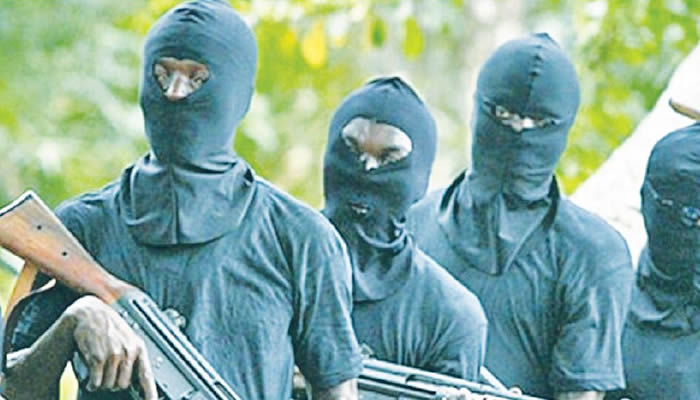
The situation in Borno is no less dire. Here, the terrain is not just unforgiving; it is a weapon. Insurgents have exploited the rugged landscape to launch surprise attacks, forcing military helicopters to ground their rescue missions. Eyewitness accounts describe a scene of desperation: civilians trapped in villages, cut off from food and medical supplies, while soldiers navigate a maze of hidden IEDs and ambush points. The Borno State Emergency Management Agency has issued a stark warning: without immediate international intervention, the death toll could spiral out of control.
INEC’s bombshell: Primaries after May 30 declared null and void
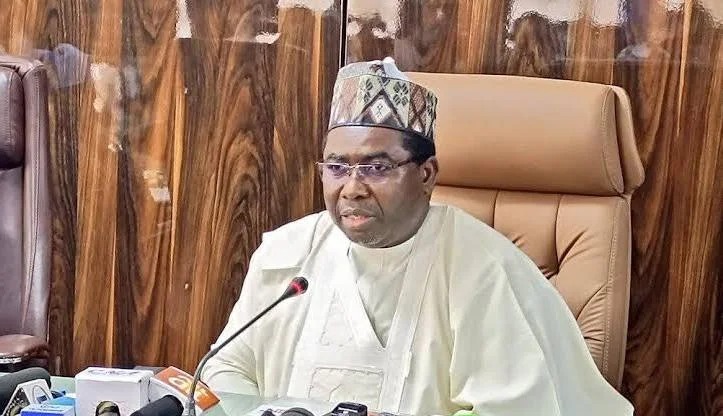
In a decision that has sent shockwaves through Nigeria’s political elite, INEC has declared all primaries held after May 30 invalid. The move, justified under the 2022 Electoral Act, has left aspirants scrambling, party leaders fuming, and voters wondering if their voices will ever be heard. The commission’s chairman, Professor Joash Ojo Amupitan, defended the decision in a terse statement, emphasizing the need for strict adherence to electoral timelines. But critics argue the timing is catastrophic, coming as it does amid escalating insecurity and economic turmoil.
The ripple effects are already being felt. In Rivers State, where primaries were recently concluded, party officials have called for an emergency meeting to address the fallout. In Lagos, aspirants who had invested millions in campaign machinery now face financial ruin. Even President Bola Tinubu’s ruling All Progressives Congress (APC) has been drawn into the fray, with internal factions clashing over whether to challenge the decision in court. The political class, it seems, is more preoccupied with survival than governance.

Economic strain deepens as debt repayments outpace budget allocations
Nigeria’s financial woes have taken a darker turn. Official data reveals that debt repayments in the first quarter of 2026 exceeded the federal budget allocation for debt servicing by nearly ₦2 trillion. The numbers are staggering: ₦3.4 trillion spent on servicing debt, against a budgeted ₦1.4 trillion. Finance Minister Wale Edun has attributed the shortfall to rising interest rates and a depreciating naira, but economists warn of a looming crisis. The International Monetary Fund (IMF) has already flagged Nigeria’s debt sustainability as a “high-risk” issue, raising concerns about the country’s ability to meet its obligations without further austerity measures.
For everyday Nigerians, the impact is immediate. Fuel prices have surged by 23% in the past month, while the cost of basic goods like rice and beans has doubled. In Lagos, long queues snake outside banks as citizens rush to withdraw cash before another devaluation. The government’s response? A promise of “targeted interventions” that have yet to materialize. Meanwhile, the naira’s value continues to plummet, with the black-market exchange rate now standing at over ₦1,500 to the dollar—a far cry from the official rate of ₦1,200.
Electricity crisis: NERC’s new tariff hikes spark outrage
The Nigerian Electricity Regulatory Commission (NERC) has approved a fresh round of electricity tariff hikes, citing the need to offset rising generation costs. But the move has been met with fury from consumers, who argue that the increases will cripple households already struggling with inflation. Under the new regime, residential consumers in Band A areas will now pay ₦80 per kilowatt-hour, up from ₦68. Businesses in the same category face an even steeper hike, from ₦75 to ₦90. NERC’s justification—that the hikes are necessary to attract private investment—has done little to dampen public anger.
Protests have erupted in major cities, with labor unions threatening a nationwide strike. In Abuja, market women have taken to the streets, chanting slogans against President Tinubu’s economic policies. Even the National Assembly has weighed in, with some lawmakers calling for a reversal of the decision. The government, however, remains unmoved. “We must pay the price for progress,” declared a senior official, who asked not to be named. For millions of Nigerians, though, the price is simply too high.
Security alerts: DSS seeks Sunday Igboho over Oyo school abduction
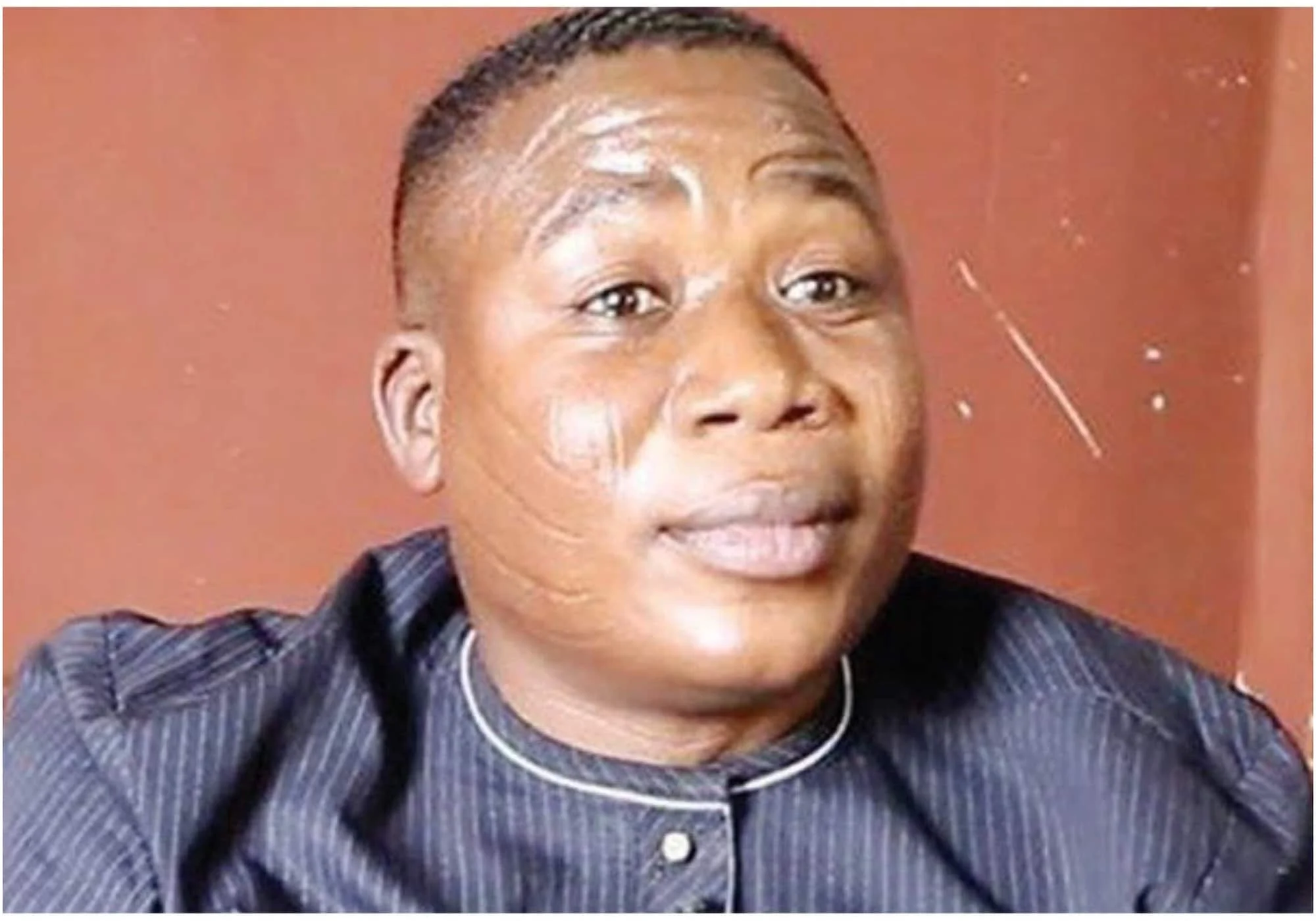
The Department of State Services (DSS) has issued a fresh summons for Yoruba activist Sunday Igboho, this time over his alleged involvement in the abduction of 30 students from a secondary school in Oyo State. Igboho, who has been a polarizing figure since his 2021 clash with the federal government, denies any connection to the incident. But the DSS’s move has reignited debates about his role in Nigeria’s escalating security crisis. Supporters argue he is being targeted for his activism, while critics accuse him of stoking ethnic tensions.
The abduction, which occurred in broad daylight, has sent shockwaves through the region. Parents of the missing children have staged vigils outside the school, demanding answers from authorities. Meanwhile, security experts warn that such incidents could become a regular occurrence if the government fails to address the root causes of insecurity—ranging from banditry to political instability. The DSS has given Igboho 48 hours to present himself for questioning, but his whereabouts remain unknown.
INEC data leak exposes vulnerabilities in Nigeria’s electoral system
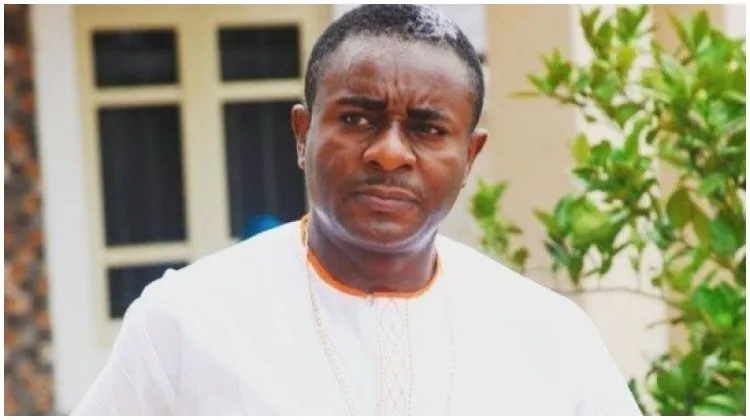
A leaked INEC database has exposed glaring vulnerabilities in Nigeria’s electoral infrastructure, raising serious questions about the integrity of upcoming polls. The breach, which occurred in April, saw the personal data of over 20 million registered voters compromised, including names, addresses, and voter identification numbers. Among those affected is veteran actor Emeka Ike, who took to social media to express his outrage. “I felt unsafe for the first time in my life,” he wrote. “If this can happen to me, what about ordinary Nigerians?”
INEC has downplayed the incident, attributing it to a “technical glitch.” But cybersecurity experts warn that the breach could be exploited for electoral fraud, identity theft, or even targeted violence. The opposition Labour Party has demanded an independent probe, while civil society groups have called for the immediate resignation of INEC’s IT director. The timing of the leak—just months before the 2027 general elections—could not be more ominous.
What’s next for Nigeria?
Nigeria stands at a crossroads. The rescue missions in Oyo and Borno cannot afford another delay. The political fallout from INEC’s primaries decision risks tearing the country further apart. The economy is on the brink, with debt and inflation eroding public trust. And Nigeria’s electoral system, already fragile, has suffered another blow to its credibility. The question is no longer whether Nigeria will face a crisis—but how deep it will go.
For now, the government’s response remains fragmented. Military operations continue in the northeast, but without a clear strategy to address the root causes of insurgency. Political leaders are locked in internecine battles, while ordinary citizens bear the brunt of the fallout. The international community, too, has a role to play. Without urgent intervention, Nigeria’s crises could spiral into a catastrophe with regional consequences.
One thing is certain: Nigeria cannot afford to wait. The lives of those trapped in Oyo’s flooded forests, the families of the abducted students, and the millions struggling to afford a meal depend on decisive action. The world is watching. The question is whether Nigeria’s leaders will finally act—or if the country will be left to drown in its own chaos.
Copyright notice: Images and source material are credited to their respective owners/source (original source where available). If you are the copyright owner and want an image or content removed, please contact us at topix.news/contact-us; we will review and remove it promptly.

Topix News Desk is a digital editorial team focused on delivering clear, timely, and useful news coverage for readers worldwide. Our reporting highlights African news with global context, including politics, business, economy, technology, health, sports, entertainment, travel, and culture. We aim to publish accessible, well-structured, and informative articles that help readers understand the stories shaping Africa and the world.