
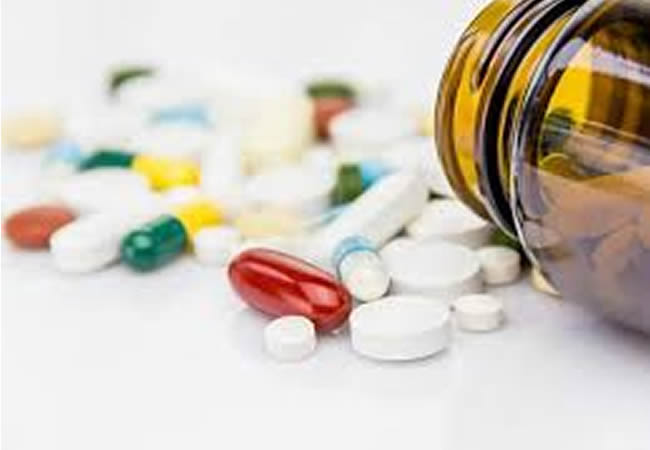
In a sweeping crackdown on unregulated pharmaceutical trade, Plateau State’s health authorities have shut down 572 medicine outlets in a single week, exposing a shadow market where expired, substandard, and counterfeit drugs have thrived for years. The Pharmacy Council of Nigeria (PCN), acting on intelligence gathered over months, stormed warehouses and storefronts across Jos, Barkin Ladi, and other local government areas, seizing thousands of vials, tablets, and syrups that posed immediate dangers to consumers.
This isn’t just another routine inspection. The scale of the operation—covering nearly every major town in the state—suggests a systemic failure in oversight that has allowed dangerous practices to fester. Officials say the violations ranged from expired stockpiles to outright falsification of licensing documents, with some outlets operating without any regulatory approval at all.
The timing of the crackdown raises critical questions. Plateau State, already grappling with a surge in preventable diseases and a fragile healthcare system, can ill afford the unchecked sale of spurious medications. Public health experts warn that the black-market trade in fake drugs has been linked to antibiotic resistance, prolonged illnesses, and even fatalities—particularly among children and the elderly, who are most vulnerable to counterfeit treatments.
“These outlets were not just breaking rules; they were playing Russian roulette with public health,” said a senior PCN official who requested anonymity due to the sensitivity of the operation. “Some of the seized drugs were so degraded they crumbled at the slightest touch. Others bore labels from manufacturers who deny ever producing them.” The official added that the crackdown was months in the making, with undercover agents infiltrating networks that had long evaded scrutiny.
How Fake Drugs Became a Silent Epidemic in Nigeria
Nigeria’s battle against counterfeit pharmaceuticals is a decades-old crisis, one that has claimed countless lives while slipping under the radar of public awareness. Unlike high-profile scandals involving food or cosmetics, the dangers of fake medicines often unfold quietly—mimicking symptoms of the very diseases they claim to treat. A patient with malaria, for instance, might unknowingly take a counterfeit antimalarial that contains chalk or sugar, delaying proper treatment until it’s too late.
Plateau State’s porous borders and its status as a commercial hub have made it a magnet for unlicensed drug peddlers. Smugglers move consignments from neighboring countries where regulations are weaker, repackaging them in makeshift facilities before flooding local markets. The result? A parallel economy where life-saving drugs are traded like contraband, and where the only winners are the criminals profiting from despair.
“The problem isn’t just about enforcement,” said Dr. Amina Yusuf, a pharmacologist based in Abuja. “It’s about systemic gaps. Many communities lack access to licensed pharmacies, leaving residents with no choice but to turn to unregulated vendors. Until we address that, the cycle of counterfeit drugs will persist.”
The PCN’s latest operation is part of a broader national strategy to dismantle these networks. Earlier this year, similar raids in Kano and Lagos exposed vast networks distributing fake antibiotics and painkillers. Yet, despite these successes, the trade adapts quickly, with smugglers constantly shifting tactics to evade detection.
The Human Cost: Families Pay the Price
Behind the cold statistics of seized drugs and closed outlets lie real stories of suffering. In a village near Jos, a mother wept as she recounted how her 5-year-old son’s fever worsened after taking a “children’s paracetamol” purchased from a roadside stall. The syrup, she later learned, contained no active ingredients—just flavored water. The child’s condition deteriorated rapidly, requiring emergency care that strained an already overburdened local hospital.
Such cases are tragically common. In 2025, a study by the National Agency for Food and Drug Administration and Control (NAFDAC) found that nearly 1 in 5 drugs sold in informal markets across northern Nigeria were counterfeit. The agency’s director-general, Professor Mojisola Adeyeye, has repeatedly warned that the proliferation of fake medicines is eroding trust in Nigeria’s healthcare system, discouraging even legitimate pharmacies from operating in high-risk areas.
“When people lose faith in the system, they take matters into their own hands,” said a community health worker in Plateau State. “They buy from anyone who claims to have ‘the real deal,’ not realizing they’re gambling with their lives.”
The PCN’s crackdown, while necessary, is only the first step. Long-term solutions will require stronger penalties for offenders, improved surveillance at borders, and public education campaigns to help communities identify licensed pharmacies. Until then, the shadow market will continue to thrive, leaving Nigerians to navigate a minefield of risks with every purchase.
Regulatory Crackdowns: A Pattern of Half-Measures?
Plateau State’s shutdown of 572 outlets is the largest single operation in Nigeria’s recent history, but it’s far from an isolated incident. Similar raids have been conducted in states like Kaduna, Rivers, and Oyo, each time uncovering staggering violations. Yet, critics argue that these crackdowns are reactive rather than preventive, addressing symptoms rather than root causes.
“You can’t police your way out of this problem,” said a former NAFDAC official. “The real issue is supply and demand. As long as there’s a market for cheap, unregulated drugs, someone will find a way to supply them. The focus should be on making licensed pharmacies accessible and affordable for everyone.”
The PCN has defended its approach, pointing to recent collaborations with security agencies to track smuggling routes and dismantle distribution networks. In Plateau State, authorities have also pledged to establish mobile verification units to inspect pharmacies on the spot, reducing the lag time between violations and enforcement.
But skeptics question whether these measures will be enough. Nigeria’s pharmaceutical industry is worth billions, yet counterfeiters operate with impunity, often bribing officials to look the other way. The PCN’s latest operation may have disrupted hundreds of illegal outlets, but without sustained pressure and systemic reforms, the trade will simply regroup.
What’s Next for Plateau State’s Healthcare System?
The closure of 572 medicine outlets leaves a gaping hole in Plateau State’s healthcare infrastructure. While licensed pharmacies will absorb some of the demand, many communities—especially in rural areas—will struggle to access essential medicines. The state government has announced plans to deploy mobile clinics and subsidize drug prices in affected areas, but the road to recovery will be long and arduous.
For now, residents are left to navigate a precarious landscape. Some have turned to telemedicine platforms for consultations, while others rely on recommendations from trusted community health workers. But without a robust system to verify the authenticity of drugs, the risk of counterfeit medicines remains ever-present.
“This crackdown is a wake-up call,” said a Plateau State health commissioner. “We cannot afford to let our guard down. The safety of our people depends on it.”
As Nigeria continues its fight against counterfeit drugs, the lessons from Plateau State’s operation must not be forgotten. The shutdown of 572 outlets is a stark reminder of the dangers lurking in unregulated markets—and a call to action for policymakers, healthcare providers, and communities alike. The stakes couldn’t be higher: public health, or the silent epidemic of fake medicines.
Copyright notice: Images and source material are credited to their respective owners/source (original source where available). If you are the copyright owner and want an image or content removed, please contact us at topix.news/contact-us; we will review and remove it promptly.

Topix News Desk is a digital editorial team focused on delivering clear, timely, and useful news coverage for readers worldwide. Our reporting highlights African news with global context, including politics, business, economy, technology, health, sports, entertainment, travel, and culture. We aim to publish accessible, well-structured, and informative articles that help readers understand the stories shaping Africa and the world.