
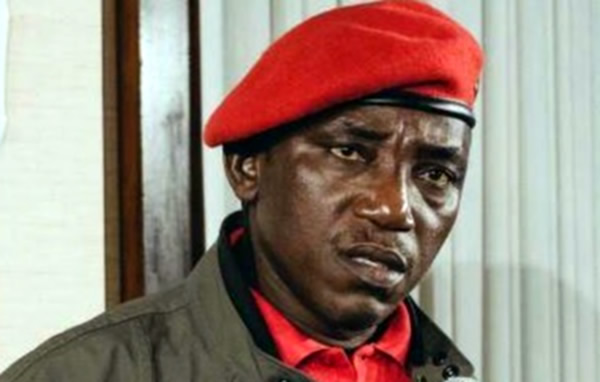
The Nigerian government’s surveillance machinery moves with the precision of a well-oiled clock when it comes to tracking dissent. Within minutes, critics of the administration can find themselves flagged, their digital footprints dissected, and their movements anticipated. Yet when the same machinery is deployed against the shadows of Boko Haram, ISWAP, or the ever-shifting networks of banditry, the gears grind to a halt. This stark disparity has now been laid bare by Solomon Dalung, a former minister whose words carry the weight of both experience and indignation.

The accusation is not subtle: Nigeria’s security apparatus, Dalung argues, has been weaponized against political adversaries while failing spectacularly to dismantle the terror networks that have turned swathes of the country into war zones. “The government can locate a critic in minutes,” he declared, “but it cannot find a terrorist in years.” The statement, delivered with the measured fury of a man who once held office under the same administration, underscores a crisis of priorities that has left Nigerians questioning whether their leaders are fighting the right battles.
From Abuja to the Sambisa Forest: A Surveillance Divide
The contrast is jarring. In the capital, where every phone call, text message, and social media post can be monitored, the government’s reach is almost instantaneous. Surveillance drones patrol the skies above Abuja, while cyber units sift through digital chatter in real time. Yet in the forests of Borno, where ISWAP fighters regroup after raids, or along the dusty trails of Zamfara, where bandits move freely, the same technology seems to vanish into thin air. Security analysts describe a system that is “hyper-localized” for political control but “systematically absent” where it is needed most.
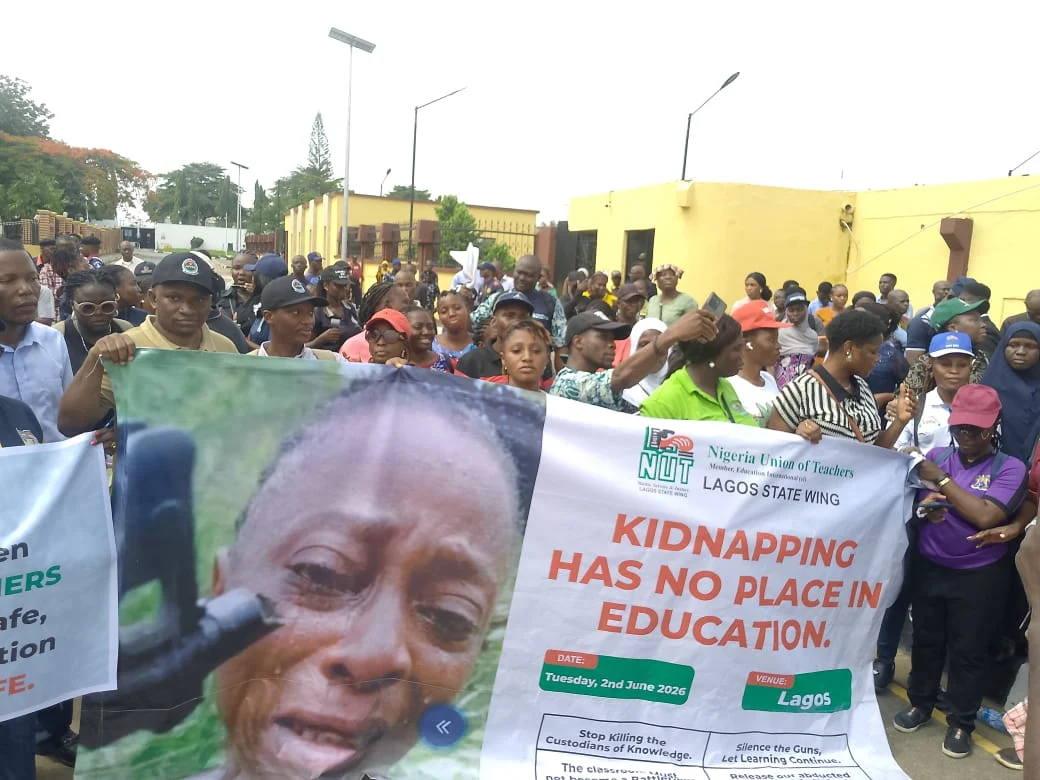
This imbalance is not lost on the families of the kidnapped. In Borno, parents of the Chibok girls, now in their tenth year of captivity, have watched as promises of rescue dissolve into bureaucratic inertia. In Kaduna, communities displaced by bandit attacks recount how military operations arrive days—or weeks—after the violence has subsided, their presence as fleeting as the smoke from burning villages. Dalung’s critique resonates because it names what many Nigerians already suspect: their government’s surveillance state is calibrated for suppression, not salvation.

The Political Calculus Behind Security Failures
Why does Nigeria’s security apparatus excel at tracking critics but falter against terrorists? The answer, according to political observers, lies in the incentives that shape policy. Surveillance against dissent is politically expedient. It deters protests, silences opposition, and reinforces the narrative of a government in control. Counterterrorism, by contrast, is costly, unpredictable, and politically risky. Success requires not just technology but sustained commitment—something that has been in short supply.
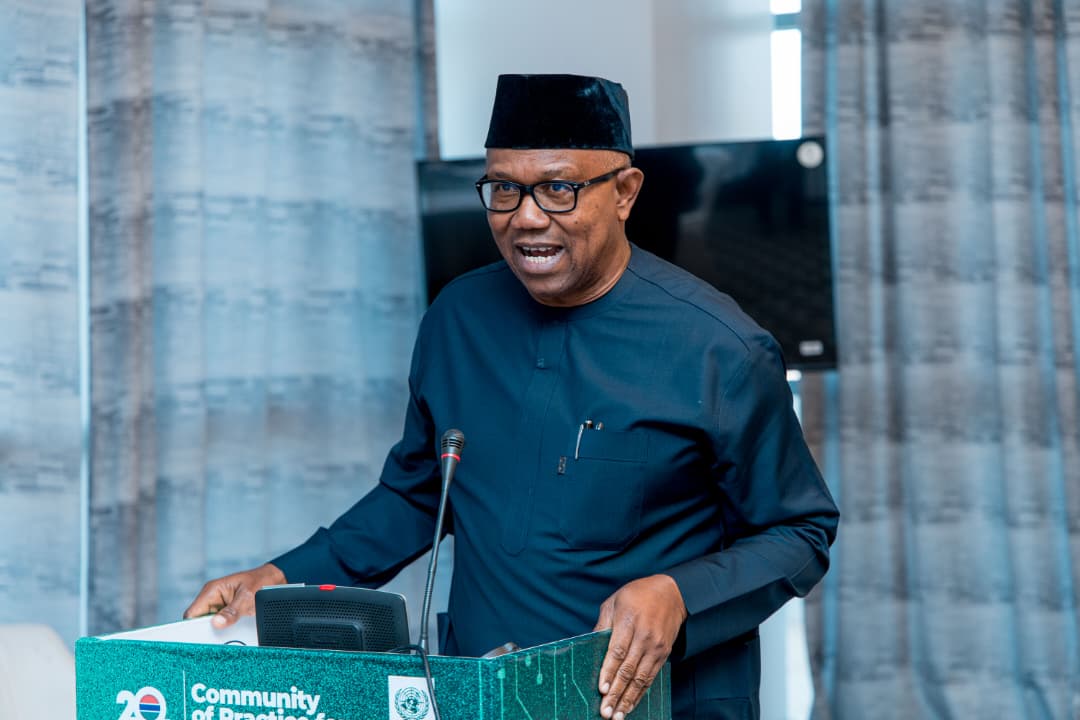
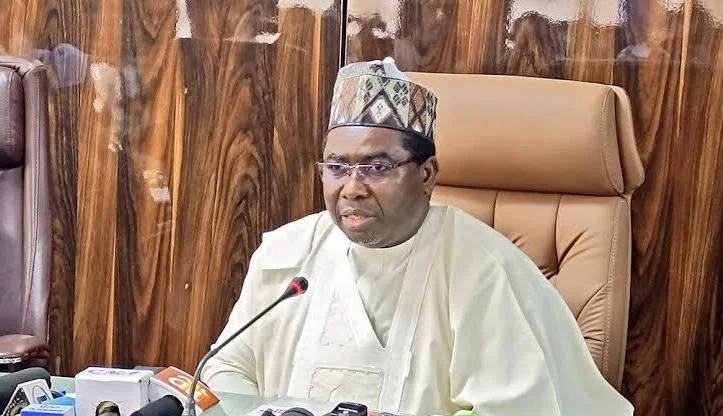
The Tinubu administration has repeatedly touted its digital surveillance capabilities as a cornerstone of national security. Yet the same administration has struggled to explain why these tools have not translated into tangible victories against terror groups. In 2025, the government launched a national digital ID system, promising to “end anonymity” for criminals. A year later, the system’s most visible achievement has been the rapid identification of social media users who criticize the president—not the arrest of a single high-profile terrorist.
Critics argue that the focus on digital surveillance reflects a deeper failure of political will. “This is not about capability,” said a security consultant who requested anonymity. “It’s about choice. The government chooses to prioritize control over security.” The result is a paradox: Nigeria’s security forces can track a tweet in real time, but they cannot locate a kidnapping convoy until it has already vanished into the bush.
The Human Cost of a Misaligned Security Strategy
The consequences of this misalignment are etched into the lives of ordinary Nigerians. In Zamfara, where banditry has displaced over 300,000 people since 2024, communities describe a cycle of violence that the government’s surveillance tools have done little to disrupt. “They know where we are,” said a local leader in Gusau. “They just don’t care to come.” The statement is blunt, but it captures the despair of a population that has been failed by the very institutions meant to protect it.
In the northeast, the story is one of abandoned villages and unanswered prayers. The military’s Joint Task Force, once touted as a model for regional cooperation, has been reduced to a reactive force—deployed only after attacks, never before. Meanwhile, terror groups have evolved. Boko Haram, once a hierarchical organization, now operates like a franchise, with cells that communicate through couriers and coded messages, slipping through the cracks of a surveillance system designed for the digital age.
The psychological toll is equally severe. In Lagos, where social media activism thrives under the watchful eye of security agencies, young Nigerians describe a growing sense of paranoia. “You post something critical, and suddenly your phone rings with a call from an unknown number,” said a university student. “You know they’re watching. But what about the people dying in the bush? Does anyone even notice?”
Can Nigeria Break the Cycle?
The question now is whether Nigeria can break this cycle of surveillance without security. Dalung’s intervention has reignited debates about the role of intelligence in counterterrorism. Some argue for a complete overhaul of the security architecture, with greater emphasis on human intelligence and community engagement. Others insist that the current system, flawed as it is, remains the best tool available—if only it were deployed with equal vigor against all threats.
What is clear is that the status quo is unsustainable. Nigeria’s security challenges are not merely a matter of technology or tactics; they are a reflection of political priorities. As long as the government’s surveillance state serves as a tool for control rather than protection, the terrorists will continue to hold the upper hand. And the critics? They will remain under watch, their voices muted by the very systems meant to silence them.
The irony is not lost on anyone. In a country where the government can track a dissenting voice in minutes, the families of the kidnapped, the survivors of bandit attacks, and the communities living under terror’s shadow must wait—sometimes for years—for justice that never comes.
Beyond Abuja: The Regional Implications
Nigeria’s security paradox extends beyond its borders. As Africa’s most populous nation and its largest economy, Nigeria’s instability has ripple effects across the continent. Terrorist groups operating in the Sahel, from Mali to Burkina Faso, have found safe havens in Nigeria’s ungoverned spaces. The failure to dismantle these networks not only endangers Nigerians but also undermines regional security efforts coordinated by the African Union and ECOWAS.
Diplomats and analysts warn that Nigeria’s inability to secure its territory could embolden extremist groups across West Africa. “When Nigeria sneezes, the Sahel catches a cold,” said a senior diplomat at the AU. “If Nigeria cannot control its own borders, how can it help its neighbors do the same?” The question hangs in the air, unanswered.
Meanwhile, the government’s focus on digital surveillance has done little to address the root causes of insecurity: poverty, unemployment, and the collapse of state authority in rural areas. Critics argue that until these structural issues are tackled, Nigeria’s security challenges will persist—regardless of how many critics the government can track in minutes.
A Call for Accountability
Dalung’s critique is more than a political broadside; it is a call for accountability. If Nigeria’s surveillance tools are to serve a purpose beyond suppressing dissent, they must be wielded with equal force against the real threats to national security. That means investing in intelligence-led operations, empowering local communities to resist extremism, and holding security agencies to account for their failures.
The government has not responded publicly to Dalung’s remarks, but the silence speaks volumes. In a country where transparency is often a casualty of power, the absence of a rebuttal may be the most damning indictment of all.
For now, Nigerians are left to grapple with a harsh reality: their government’s surveillance state is a double-edged sword. It cuts deep into the lives of critics, but it has yet to draw blood against the terrorists who continue to haunt the land. Until that changes, the paradox will endure—and with it, the suffering of millions.
Copyright notice: Images and source material are credited to their respective owners/source (original source where available). If you are the copyright owner and want an image or content removed, please contact us at topix.news/contact-us; we will review and remove it promptly.

Topix News Desk is a digital editorial team focused on delivering clear, timely, and useful news coverage for readers worldwide. Our reporting highlights African news with global context, including politics, business, economy, technology, health, sports, entertainment, travel, and culture. We aim to publish accessible, well-structured, and informative articles that help readers understand the stories shaping Africa and the world.