
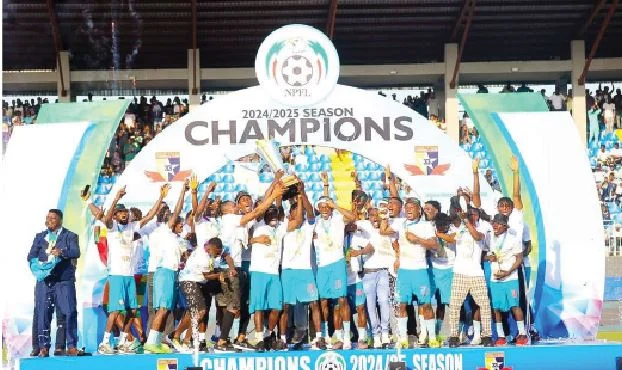
In a landmark decision that could redefine Nigeria’s football landscape, FIFA’s latest financial injection is set to flow into the coffers of domestic clubs, with Enyimba FC and Remo Stars leading the charge. The world governing body’s $355 million Club Benefits Programme, earmarked for clubs releasing players for the 2026 FIFA World Cup qualifiers, promises to inject fresh capital into clubs that have long grappled with financial constraints.
The announcement arrives at a critical juncture for Nigerian football, where clubs have historically struggled to retain top talent amid lucrative offers from European and Middle Eastern leagues. For Enyimba and Remo Stars, two of Nigeria’s most storied clubs, the timing couldn’t be more opportune. Their players’ contributions to the national team’s qualification efforts have now translated into a tangible financial reward—one that could stabilize their operations for years to come.
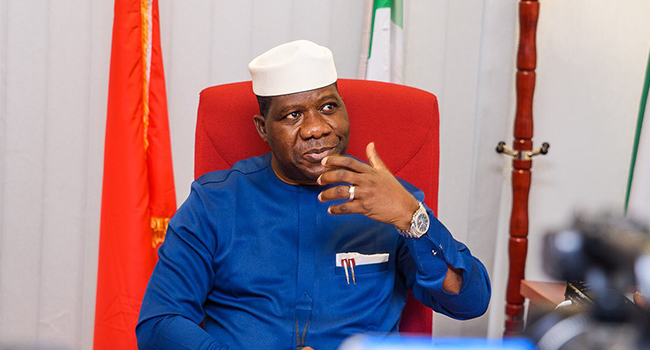
How the FIFA Fund Will Transform Nigerian Football
FIFA’s Club Benefits Programme is not merely a gesture of goodwill; it’s a strategic investment in the global football ecosystem. For Nigerian clubs, the $355 million pool represents a lifeline. The funds are distributed based on the number of players released by each club for international duty, with a portion reserved for clubs whose players feature in the World Cup finals.
Enyimba, Africa’s most decorated club with eight CAF Champions League titles, is expected to receive a significant share. The club’s tradition of nurturing talent like Emmanuel Emenike and Vincent Enyeama has made it a perennial contender in continental competitions. Remo Stars, though younger in comparison, has steadily risen through Nigeria’s professional ranks, thanks to its focus on youth development. The infusion of FIFA funds could accelerate their ambitions, allowing them to compete at higher levels domestically and internationally.

The financial boost comes at a time when Nigerian clubs are under increasing pressure to improve infrastructure, player wages, and youth academies. Many have relied on private sponsorships or state government support, which often proves inconsistent. With FIFA’s payout, clubs like Enyimba and Remo Stars can now plan long-term, secure top coaching staff, and invest in modern training facilities—critical steps toward closing the gap with Europe’s elite clubs.

The Ripple Effect on Nigeria’s National Team
While the immediate beneficiaries are the clubs, the long-term impact on Nigeria’s national team, the Super Eagles, could be profound. Historically, the Super Eagles have struggled with squad depth, often relying on a core group of players based abroad. The financial incentives provided by FIFA’s programme may encourage more clubs to prioritize player retention, ensuring a steady pipeline of talent for the national team.
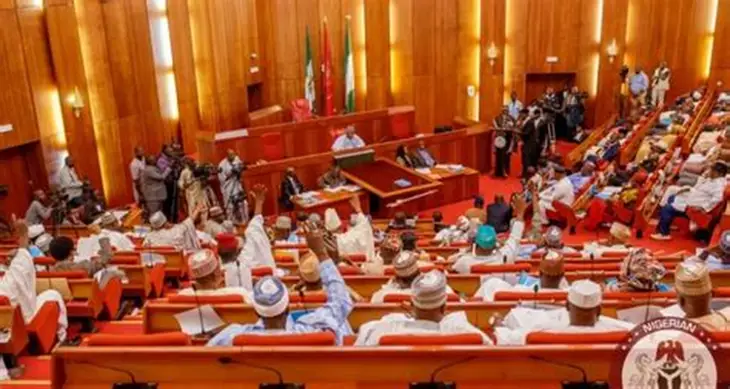
For instance, if Enyimba can now afford to pay competitive wages, it may deter its stars from seeking moves abroad prematurely. This would strengthen the domestic league, the Nigeria Professional Football League (NPFL), and provide the Super Eagles with a more robust pool of players to choose from. A stronger domestic league also enhances the league’s appeal to international scouts, further boosting Nigeria’s football economy.
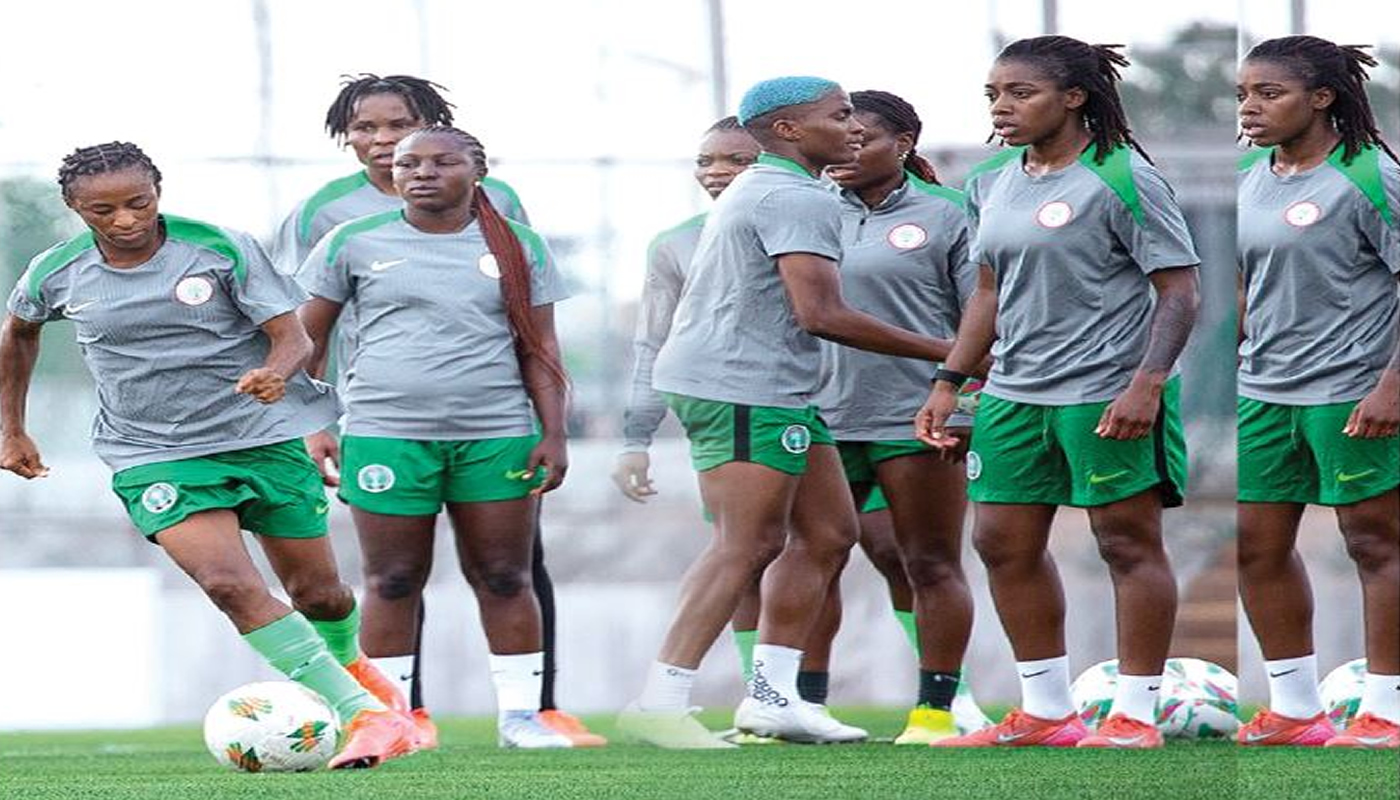
Moreover, the funds could be used to develop grassroots football, particularly in regions where talent is abundant but infrastructure is lacking. States like Ogun, where Remo Stars is based, have a rich footballing culture. Investing in local academies could unearth the next generation of Nigerian stars, reducing the reliance on foreign-based players to carry the team.
Challenges and Opportunities Ahead
Despite the optimism, challenges remain. Corruption and mismanagement have plagued Nigerian football for decades. Will the funds reach their intended recipients, or will they vanish into the pockets of administrators? The history of financial mismanagement in Nigerian sports suggests caution. However, FIFA’s transparent distribution mechanism and the involvement of the Nigeria Football Federation (NFF) could mitigate these risks.
Another concern is the potential for clubs to misuse the funds. Some may prioritize short-term gains, such as lavish spending on star players, rather than long-term investments in youth development or infrastructure. To ensure sustainability, clubs must adopt transparent financial practices and align their spending with strategic growth plans.
There’s also the question of how the funds will be distributed. FIFA’s programme allocates payments based on the number of players released and their participation in the World Cup. Clubs with fewer players called up may receive smaller sums, which could widen the gap between top-tier and mid-tier clubs. To address this, the NFF and club owners must collaborate on a fair distribution model that supports all clubs, not just the elite few.What This Means for Nigerian Football Fans
For the millions of Nigerian football fans, the FIFA fund is more than just a financial windfall—it’s a promise of a brighter future. A stronger domestic league means more competitive matches, higher-quality players, and greater excitement in the NPFL. It also means the Super Eagles could field a more balanced squad, reducing the reliance on a handful of foreign-based stars.
The funds could also attract more sponsors to the league, further boosting its profile. Already, brands like Globacom and Bet9ja have shown interest in Nigerian football, but a more professional league structure could draw even larger investments. This, in turn, would create jobs, not just for players but for coaches, physiotherapists, and support staff.
For fans, the most tangible benefit will be on the pitch. A financially stable league means better-equipped teams, more exciting matches, and potentially, a resurgence of Nigeria’s footballing glory on the continental stage. The NPFL could once again become a breeding ground for world-class talent, as it was in the 1990s and early 2000s when clubs like Shooting Stars and Julius Berger dominated African competitions.

The Road Ahead: Turning Promise into Progress
The next few months will be critical for Nigerian football. Clubs must submit their financial plans to FIFA and the NFF, outlining how they intend to use the funds. Transparency will be key to ensuring the money is spent wisely. Fans, meanwhile, will be watching closely, hoping that this time, the promise of progress isn’t squandered.
There are also lessons to be learned from other African leagues that have benefited from similar initiatives. For example, South Africa’s Premier Soccer League has seen a steady rise in quality after implementing financial reforms and attracting more investment. Nigeria can follow a similar path, provided there’s a commitment to good governance and long-term planning.
The FIFA fund is not a silver bullet, but it is a rare opportunity. If managed correctly, it could transform Nigerian football from a league known for its raw talent but financial instability into a professional, competitive, and sustainable ecosystem. For Enyimba, Remo Stars, and the countless other clubs across the country, the challenge now is to turn this financial windfall into a legacy of success.
As the 2026 World Cup qualifiers approach, the eyes of Nigerian football will be on the Super Eagles—and the clubs that supply them with talent. The FIFA fund is a step in the right direction, but the real test lies in how Nigeria’s football stakeholders rise to the occasion. The future of Nigerian football is bright, but it will require more than just money to make it shine.
Copyright notice: Images and source material are credited to their respective owners/source (original source where available). If you are the copyright owner and want an image or content removed, please contact us at topix.news/contact-us; we will review and remove it promptly.

Topix News Desk is a digital editorial team focused on delivering clear, timely, and useful news coverage for readers worldwide. Our reporting highlights African news with global context, including politics, business, economy, technology, health, sports, entertainment, travel, and culture. We aim to publish accessible, well-structured, and informative articles that help readers understand the stories shaping Africa and the world.