

Lagos State Governor Sanwo-Olu announces Lekki Port Phase 2 development will begin soon, boosting Lagos’s role as West Africa’s maritime hub and trade gate Read More:
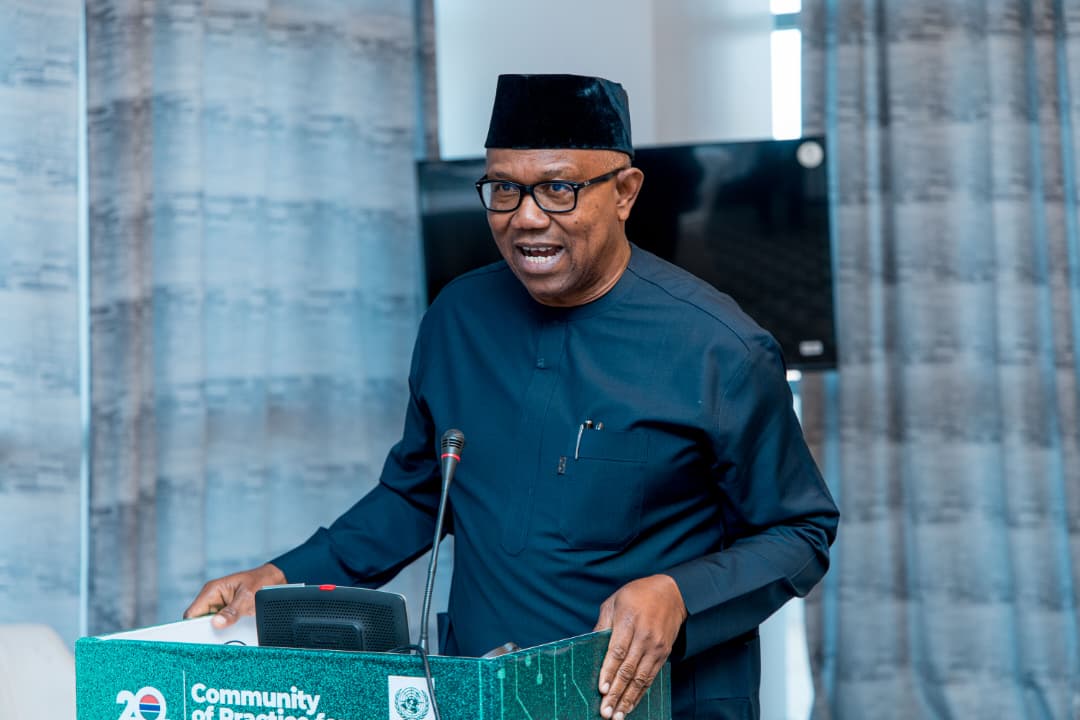
In a bold declaration that could redefine Nigeria’s economic trajectory, Lagos State Governor Babajide Sanwo-Olu has unveiled plans to kickstart the second phase of the Lekki Port development within weeks. The announcement, made during a high-profile maritime summit in Epe, signals a decisive step toward cementing Lagos as West Africa’s undisputed trade gateway—a title the city has long sought but only recently begun to solidify.
The Lekki Port project, already hailed as a game-changer for Nigeria’s maritime sector, is poised to undergo a dramatic expansion that will double its current capacity. When fully operational, the expanded port will handle over 1.2 million twenty-foot equivalent units (TEUs) annually, a staggering leap from its current 600,000 TEU capacity. For context, that’s more than the combined throughput of Ghana’s Tema Port and Ivory Coast’s Port of Abidjan—two of West Africa’s most critical trade hubs.
But the implications extend far beyond mere numbers. This development arrives at a pivotal moment for Nigeria, a country grappling with stagnant infrastructure, currency instability, and an overreliance on oil exports. By diversifying its economic pillars, Lagos is positioning itself not just as a regional leader, but as a global player in maritime trade. The question now is: Can Nigeria seize this opportunity before regional competitors like Ghana and Ivory Coast steal the march?
Why Lekki Port’s Expansion Could Be Nigeria’s Economic Turning Point
The Lekki Port project is more than an infrastructure upgrade—it’s a strategic reset for Nigeria’s economy. Since its partial commissioning in 2023, the port has already begun chipping away at the dominance of Apapa Port in Lagos, which has long been plagued by congestion, inefficiency, and security concerns. With Phase 2, the port’s operators aim to slash cargo handling times by 40%, a critical advantage in a region where delays can cost importers millions.
Yet the real prize lies in the port’s ability to attract foreign direct investment (FDI). Already, logistics giants like Maersk and CMA CGM have signaled their intent to reroute vessels from congested ports in neighboring countries to Lekki. If successful, this could funnel billions into Nigeria’s economy, creating thousands of jobs and reducing the country’s reliance on oil revenue.
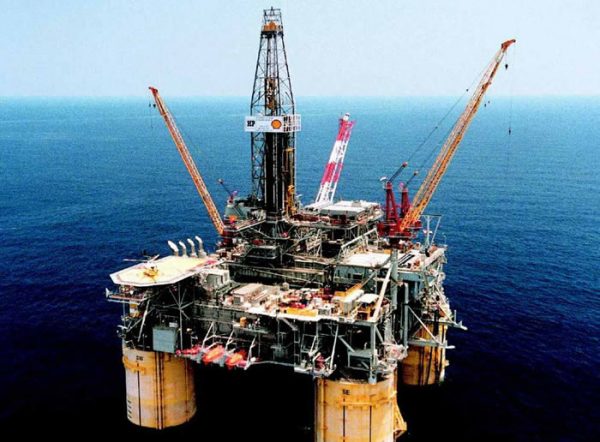
But the road ahead is fraught with challenges. Nigeria’s notorious bureaucracy, inconsistent power supply, and security risks in the Niger Delta—where much of the country’s oil is produced—could deter investors. Then there’s the issue of regional competition. Ghana’s Tema Port, for instance, has recently completed a $1.5 billion expansion, while Ivory Coast’s Port of San Pedro is aggressively courting West African exporters with lower tariffs.
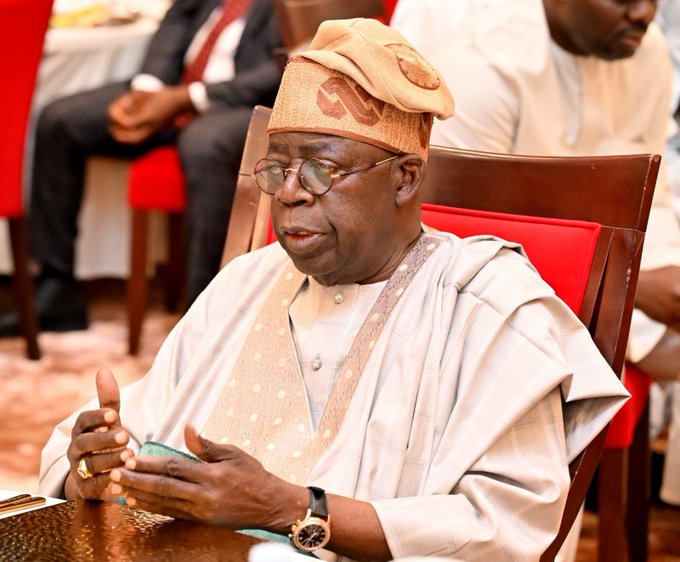
For Sanwo-Olu, the stakes couldn’t be higher. A successful Phase 2 rollout could cement Lagos’s reputation as a business-friendly city, while failure could reinforce Nigeria’s reputation as a high-risk investment destination. The governor’s team is banking on a combination of public-private partnerships and streamlined regulatory processes to keep the project on track. But with Nigeria’s general elections looming in 2027, political distractions could derail even the best-laid plans.

The Geopolitical Chess Game Behind West Africa’s Port Wars
Nigeria’s push to expand Lekki Port is not happening in a vacuum. It’s part of a broader geopolitical chess game where West African nations are jockeying for dominance in the global supply chain. Ghana, for instance, has positioned itself as the “gateway to West Africa” with its $1.5 billion Tema Port expansion, while Ivory Coast is leveraging its French-backed infrastructure to attract European and Asian traders.
But Nigeria’s advantage lies in sheer scale. With a population of over 200 million and a GDP larger than that of Ghana and Ivory Coast combined, Nigeria is the region’s economic heavyweight. If Lekki Port can fulfill its potential, it could become the primary entry point for goods bound for Nigeria’s vast domestic market—and beyond, into landlocked countries like Niger and Chad.
Yet the competition is fierce. Ghana’s government has aggressively marketed its ports as more efficient and less corrupt than Nigeria’s, while Ivory Coast has offered tax incentives to lure shipping companies. Even Senegal, with its newly expanded Dakar Port, is positioning itself as a regional alternative. The question is whether Nigeria can outmaneuver its rivals by delivering on its promises of efficiency, transparency, and reliability.
For now, the signs are promising. The Lekki Port project is being developed under a 45-year concession agreement with the Lagos State government and a consortium of international investors, including China Harbour Engineering Company. This model has already proven successful in other African ports, such as Djibouti’s Doraleh Container Terminal, which has become a model for public-private partnerships in infrastructure.
What Phase 2 Means for Nigeria’s Trade Balance—and Its People
The economic ripple effects of Lekki Port’s expansion will extend far beyond the docks. For Nigerian businesses, the port’s increased capacity could mean lower import costs, faster turnaround times for goods, and greater access to global markets. Small and medium-sized enterprises (SMEs), which account for over 80% of Nigeria’s private sector, stand to benefit the most from reduced logistics costs.
But the benefits won’t be evenly distributed. While Lagos’ elite and multinational corporations will reap the rewards of improved trade efficiency, rural communities and smaller businesses in Nigeria’s northern and eastern regions may struggle to compete. The port’s success could also widen the gap between Nigeria’s economic powerhouse—Lagos—and the rest of the country, exacerbating regional inequalities.
There’s also the issue of job creation. The Lekki Port project has already generated thousands of direct and indirect jobs, from dockworkers to truck drivers to logistics planners. Phase 2 is expected to create an additional 5,000 jobs in the short term, with long-term opportunities in ancillary industries like warehousing, manufacturing, and retail. However, critics argue that these jobs will disproportionately benefit foreign workers and Nigeria’s urban elite, leaving rural communities behind.
To address these concerns, the Lagos State government has pledged to prioritize local hiring and skills development programs. But with Nigeria’s youth unemployment rate hovering around 40%, the pressure is on to ensure that the port’s expansion translates into tangible economic opportunities for all Nigerians—not just a select few.
Can Nigeria Overcome Its Infrastructure and Security Hurdles?
Even with the best intentions, Nigeria’s infrastructure deficits could derail Lekki Port’s ambitions. Power outages, poor road networks, and unreliable rail connections have long plagued the country’s logistics sector. While the port itself is state-of-the-art, the roads leading to it are often clogged with traffic, and the rail links are either nonexistent or in disrepair.
Then there’s the issue of security. The Niger Delta, where much of Nigeria’s oil is produced, has long been a hotspot for militant activity. While the Lekki Port is located in a relatively stable part of Lagos, the broader region’s instability could deter shipping companies from making Nigeria their primary West African hub. Recent attacks on oil pipelines and kidnappings for ransom have only added to the concerns.
Sanwo-Olu’s administration has acknowledged these challenges, pledging to invest in road and rail infrastructure, as well as security measures to protect the port and its supply chains. But with Nigeria’s national budget already stretched thin, the question remains: Where will the funding come from? The answer may lie in continued public-private partnerships, where international investors take on the bulk of the financial risk in exchange for long-term concessions.
For now, the signs are cautiously optimistic. The Lekki Port’s first phase has already demonstrated that Nigeria can deliver world-class infrastructure when the incentives are aligned. The challenge now is to replicate that success on a larger scale—and to ensure that the benefits are shared across the country, not just concentrated in Lagos.
The Road Ahead: What to Watch in the Coming Months
As Lekki Port’s Phase 2 prepares to break ground, several key developments will shape the project’s trajectory. First and foremost is the timeline. Sanwo-Olu has stated that construction will begin within weeks, but given Nigeria’s history of project delays, skepticism is warranted. The government has promised to fast-track approvals and streamline bureaucratic processes, but past experience suggests that red tape could slow progress.
Another critical factor is investor confidence. Shipping companies and logistics firms will be watching closely to see whether Nigeria can deliver on its promises of efficiency and reliability. If the port’s expansion leads to delays, cost overruns, or security incidents, investors may reconsider their commitments—and redirect their business to Ghana or Ivory Coast.
Finally, there’s the question of regional cooperation. While Nigeria’s port expansion is a competitive move, it could also be an opportunity for collaboration. West African nations have long talked about integrating their economies, but progress has been slow. If Lekki Port’s success inspires similar projects in neighboring countries, the region could collectively benefit from increased trade and investment.
For now, all eyes are on Lagos. The Lekki Port’s Phase 2 is more than an infrastructure project—it’s a test of Nigeria’s ability to compete on the global stage. If successful, it could redefine the country’s economic future. If it fails, it could reinforce Nigeria’s reputation as a land of untapped potential and unfulfilled promise.
One thing is certain: The stakes couldn’t be higher. West Africa’s trade landscape is evolving rapidly, and Nigeria cannot afford to be left behind.
Copyright notice: Images and source material are credited to their respective owners/source (original source where available). If you are the copyright owner and want an image or content removed, please contact us at topix.news/contact-us; we will review and remove it promptly.

Topix News Desk is a digital editorial team focused on delivering clear, timely, and useful news coverage for readers worldwide. Our reporting highlights African news with global context, including politics, business, economy, technology, health, sports, entertainment, travel, and culture. We aim to publish accessible, well-structured, and informative articles that help readers understand the stories shaping Africa and the world.